
Trump Says Starmer Was Too Tough on Russia as Kremlin Threat Alert Persists
US President Donald Trump has criticised former UK Prime Minister Keir Starmer for taking a hard line on Russia, while adopting a conciliatory approach towards Vladimir Putin. The remarks come amid ongoing Kremlin threat alerts.
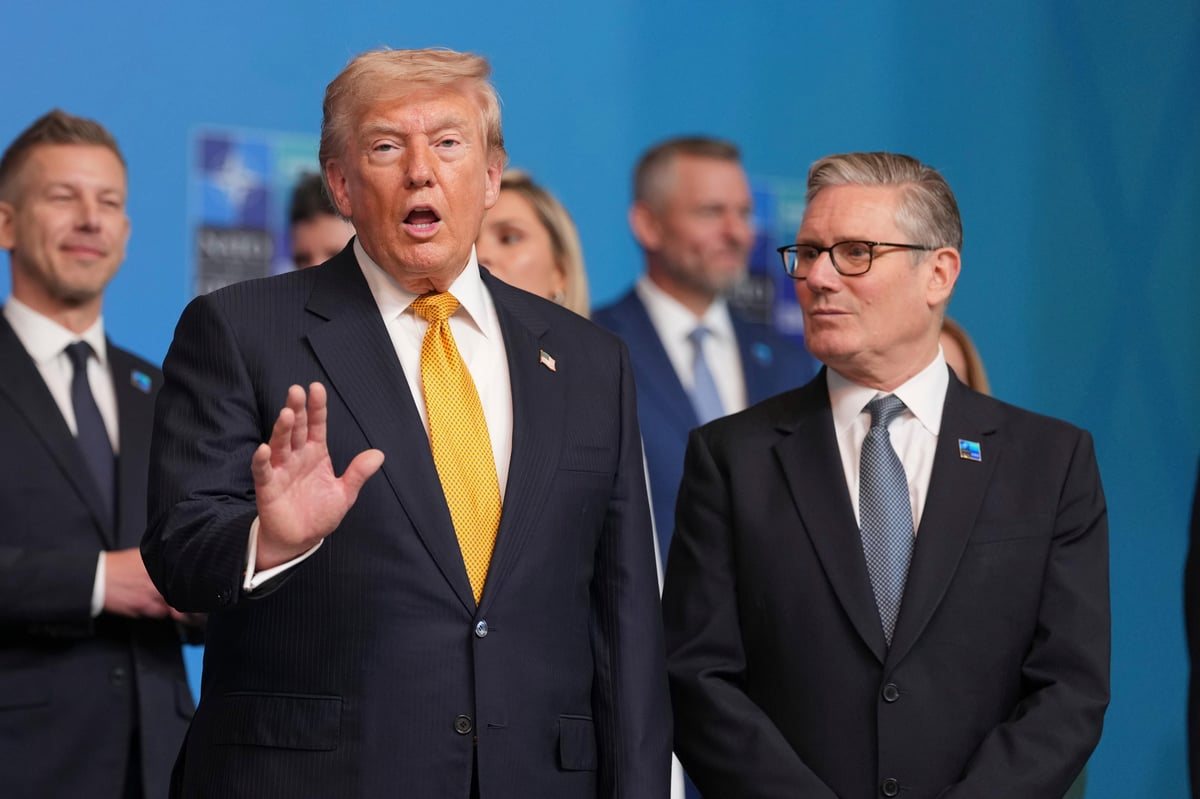
US President Donald Trump has accused former UK Prime Minister Keir Starmer of being «too tough» on Russia, saying his approach to Vladimir Putin was unnecessarily aggressive. Trump made the comments while outlining his own conciliatory stance towards the Kremlin, which contrasts sharply with the position taken by London under Starmer's leadership.
The US president described Starmer as having been «nasty and tough» towards Putin, suggesting that a softer tone might have yielded better results. The remarks, which surfaced amid continuing alerts over Kremlin threats, highlight a growing divergence between Washington and its European allies on how to handle Moscow.
Trump's criticism of Starmer comes as the former British prime minister has largely retreated from frontline politics, but his legacy on Russia policy remains a point of contention. Starmer had consistently advocated for a robust response to Russian aggression, including support for Ukraine and sanctions against Moscow. Trump's comments appear to repudiate that approach in favour of direct engagement with Putin.
The conciliatory line from the White House has raised concerns among European leaders, who fear that a softer US stance could embolden the Kremlin. The alert over Kremlin threats, which remains active, underscores the ongoing security risks that Western capitals are grappling with. Trump's remarks are likely to intensify debates over the transatlantic alliance's strategy towards Russia.
In addition to Starmer, Trump's comments have implications for other European leaders, including French President Emmanuel Macron, who has also taken a firm line on Russia. The US president's willingness to criticise allies publicly while extending an olive branch to Putin marks a significant shift in diplomatic tone. It remains unclear whether this approach will translate into concrete policy changes or remains largely rhetorical.
The Kremlin has not yet responded to Trump's remarks, but the threat alert suggests that Moscow continues to be viewed as a volatile actor. For the UK, the criticism of Starmer may reignite domestic debates over the effectiveness of its Russia policy. The former prime minister has not commented on Trump's statements.
Analysts note that Trump's remarks could complicate coordination among NATO members, who have sought to present a united front against Russian aggression. The US president's praise for a softer approach may encourage other leaders to reconsider their own positions. However, it is also possible that Trump's comments are aimed at domestic audiences rather than signalling a genuine policy shift.
The broader context of Trump's conciliatory approach includes his long-standing admiration for Putin and his scepticism of NATO. During his presidency, he has frequently questioned the value of the alliance and called for European nations to increase their defence spending. His latest remarks fit into that pattern of challenging traditional US foreign policy orthodoxy.
For Starmer, the criticism from Trump is unlikely to alter his public stance, but it adds to the narrative that Western unity on Russia is fraying. The Kremlin threat alert serves as a reminder that despite diplomatic gestures, the underlying tensions remain unresolved. How the US and its allies navigate this divergence will be closely watched in the coming weeks.
5