Russell Brand convicted of rape and three sexual assaults
Comedian Russell Brand has been convicted of one rape and three sexual assaults, with sentencing set for Monday. A leading sex crimes barrister says a jail term of at least ten years is possible for the rape conviction alone.
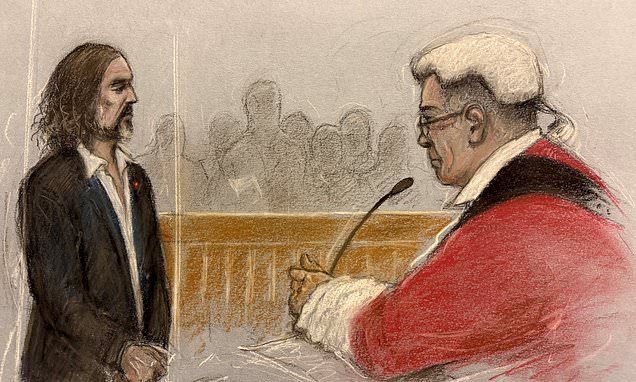
Comedian Russell Brand has been convicted of one rape and three sexual assaults, after a jury heard allegations stretching back to the years between 2004 and 2009. Sentencing is set for Monday, and the judge has signalled that the jail term will be significant. Eleanor Laws KC, a leading sex crimes barrister, has told the Trial podcast that Brand could face at least ten years in prison for the rape conviction alone. The exact sentence will not be known until the hearing.
The jury returned a split verdict. Two further rape charges ended in acquittal, as did one charge of attempted indecent assault. The rape conviction relates to an encounter with a woman referred to in court as Woman E, who was 21 at the time. According to the case presented to the court, the encounter began as consensual before it turned into anal rape. The jury backed the complainant's account, and multiple witnesses supported her version of events. The acquittals show that the jury did not accept every allegation put before it, and the convictions relate only to the counts it found proven.
The case has drawn wider attention beyond the verdict itself. Police suspect that at least ten more women were attacked, and the Metropolitan Police Commissioner, Sir Mark Rowley, has said that « many more » victims may come forward. Brand, who is 51, has faced allegations for some time, and the trial has been followed closely by the public and the media. The investigation reached its conclusion in court, but police have indicated that the process of identifying and speaking to other alleged victims is ongoing.
The conduct of the defence has also come under scrutiny. Sir Mark Rowley criticised the defence as close to victim blaming, arguing that some of the lines of questioning placed the burden on complainants rather than the accused. Ian Winter KC, the barrister who represented Brand, confronted Sunday Times reporter Rosamund Urwin, whose investigation had prompted victims to come forward. Urwin's reporting was a key factor in encouraging women to speak to police, and the confrontation has become part of the wider debate over how the press and the defence treat those who make allegations. Winter has since reported himself to his professional regulator.
The verdict has prompted calls for change in how rape cases are handled in court. Commentators and officials have pointed to so-called rape myths, the assumptions about how a victim should behave that can surface during trials, and have called for a review of how such assumptions are challenged. The debate centres on whether current practice gives juries and judges the tools to set those assumptions aside. For now, attention turns to Monday's sentencing hearing, where the court will determine the length of Brand's prison term and the wider consequences of a case that has run for years.
Source: dailymail.com
4