Hoax bomb threats force planes to divert across Europe for third day
A wave of hoax bomb threats has hit commercial flights across Europe this week, with at least 35 aircraft searched or diverted before Friday and passengers facing disruption at several airports, including Heathrow and Birmingham.
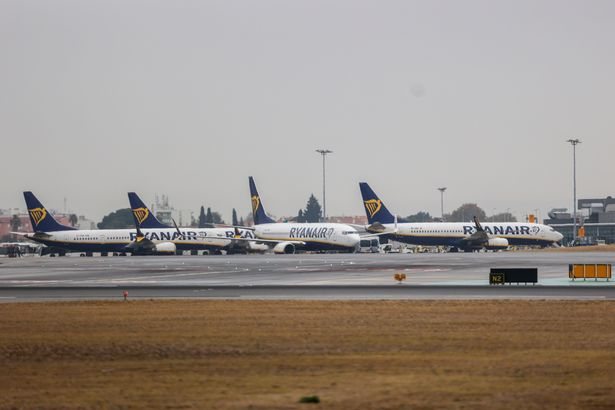
A wave of hoax bomb threats against commercial flights has disrupted air travel across Europe this week, with at least 35 aircraft searched or diverted before Friday. The threats have forced fresh groundings and delays at multiple airports, leaving travellers uncertain about their journeys and about what they are entitled to when flights are disrupted.
Among the latest incidents was a Tarom flight from Prague to Bucharest, identified in the reporting as ROT226M. The aircraft squawked 7700, the international emergency transponder code used to signal an emergency to air traffic control, and landed safely in Bucharest. A threat linked to that flight was later confirmed as unproven, meaning the claim could not be substantiated and no device was established to be present on board.
Heathrow and Birmingham airports in the United Kingdom were among those hit by the hoaxes. The disruption has been described as the third straight day of threats, and reports cite chaos across European airports over several days. Each threat requires aircraft to be checked before they can resume service, so a single false warning can ripple through schedules, aircraft rotations and connecting flights.
The episode has drawn attention to the position of passengers during threat-related disruption. Those caught in cancellations, diversions and long delays are seeking clarity on how airlines and airports are handling rebooking and assistance while security checks are carried out. The reporting highlights questions about rights rather than setting out a single settled answer, and travellers are being advised to check directly with their carriers for the latest information on their own flights.
The source of the hoax threats has not been identified in the reporting available. Nor has a link between the incidents been established, and the full number of affected flights beyond the 35 figure remains unclear, as searches and diversions continued to be reported across the continent. The lack of a confirmed origin means the threats cannot yet be attributed to any individual, group or motive.
For a continent where air travel depends on tightly timed networks, the repeated alerts show how quickly a false warning can disrupt movement across several countries at once. Airports and airlines must balance the need to respond to every threat with the cost of prolonged disruption, and the coming days will indicate whether the hoaxes continue and how far the knock-on effects extend.
Source: theguardian.com
2