Ukrainian-Estonian firm plans bionic hand prosthesis costing up to €100
Haydamax OÜ, a Ukrainian-Estonian technology company registered in Estonia, has announced development of a low-cost bionic hand prosthesis using artificial muscles, with a target price of up to €100.
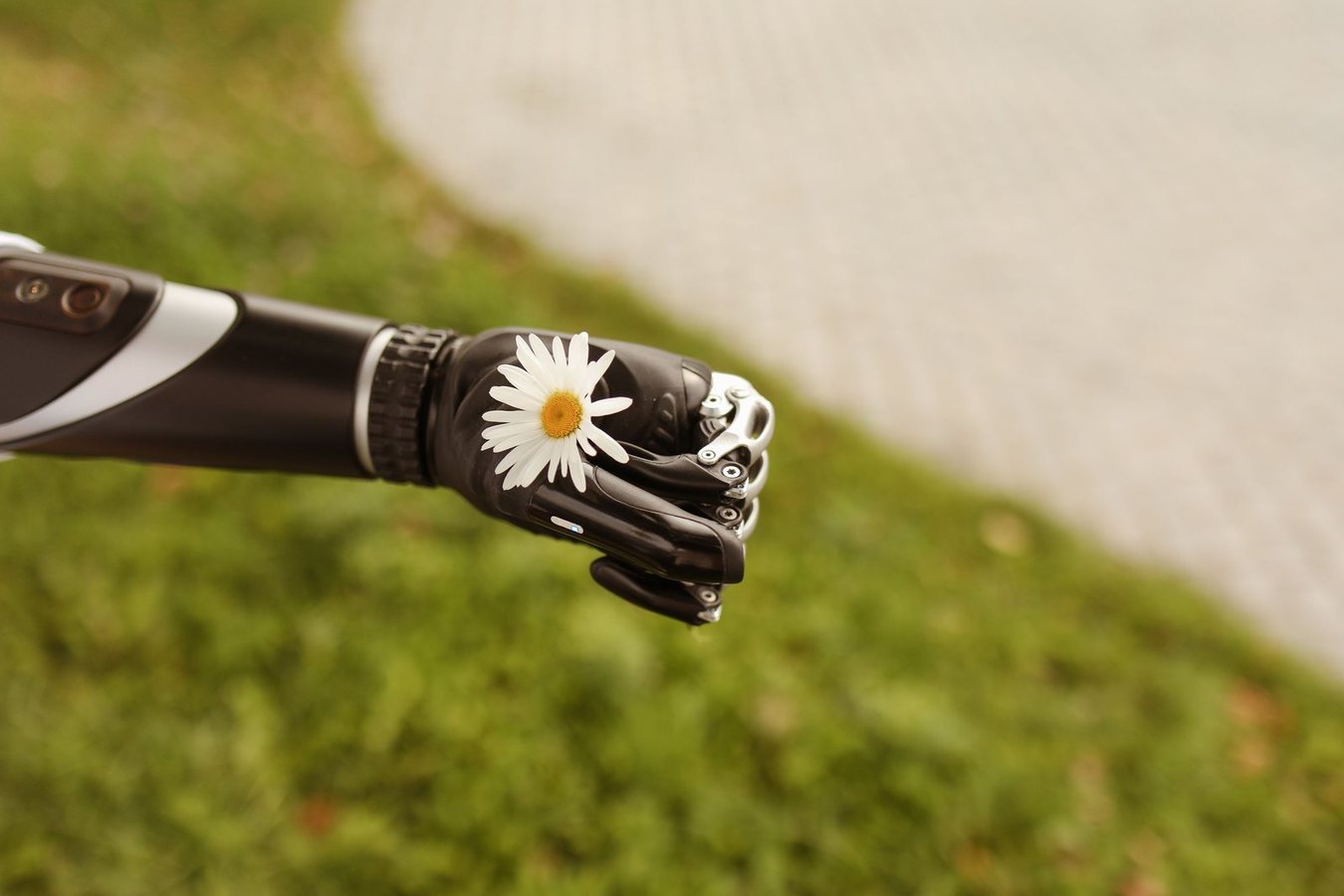
A Ukrainian-Estonian technology company registered in Estonia, Haydamax OÜ, has announced the start of development of a bionic hand prosthesis with a target price of up to €100. The project, announced in November 2026, is being led by Oxogent Laboratory under the working name H-MUSCLE. The company says the device is intended to make advanced prosthetics far more affordable than current options.
High-function bionic prostheses presently cost tens of thousands of euros, which puts them out of reach for many patients. The €100 figure is an engineering target rather than a confirmed retail price. The final cost, the price of components and the expense of medical adaptation for individual users have not yet been disclosed. The first development stage is planned at about €1.5 million, and the work is to take place in a laboratory in Germany.
Rather than relying on motors or gears, the H-MUSCLE design uses McKibben-type artificial muscles. These are hydraulically driven elastic braided tubes, a principle invented by Joseph McKibben in the 1950s. The developers describe a «muscle mesh»: bundles of fibres wrapped around artificial bones, with some fibres routed into the forearm to allow a longer stroke. Movements are controlled through coordinated groups of channels rather than by operating each one individually, which is what makes a simpler and cheaper control system conceivable.
So far the project exists only as a digital model. The model includes bones, joints and about 40 muscle channels. To shape the movements it simulates, the team drew on an open dataset covering 22 people performing 26 daily tasks. The design focuses on the thumb, palm mobility, grip precision and the handling of small objects, functions that matter most in everyday use.
The company faces considerable engineering challenges. It must develop a compact and inexpensive fluid supply, reliable pressure control and a system that coordinates the muscles effectively. Timelines for prototypes and mass production have not been announced, and the durability, safety and manufacturability of the design remain to be assessed.
The project is framed as relevant to Ukraine, where demand for prosthetic limbs rose sharply after Russia launched its full-scale invasion, and to other countries facing similar needs. Whether a device at this price point can meet medical and safety standards will determine how far the idea can go beyond the drawing board.
3