
Attackers remotely altered thermostats, overheating supermarket freezers across several European countries
Refrigerators and freezers in supermarkets in several European countries failed after an alleged cyberattack; thermostats were remotely switched to a higher-temperature mode.
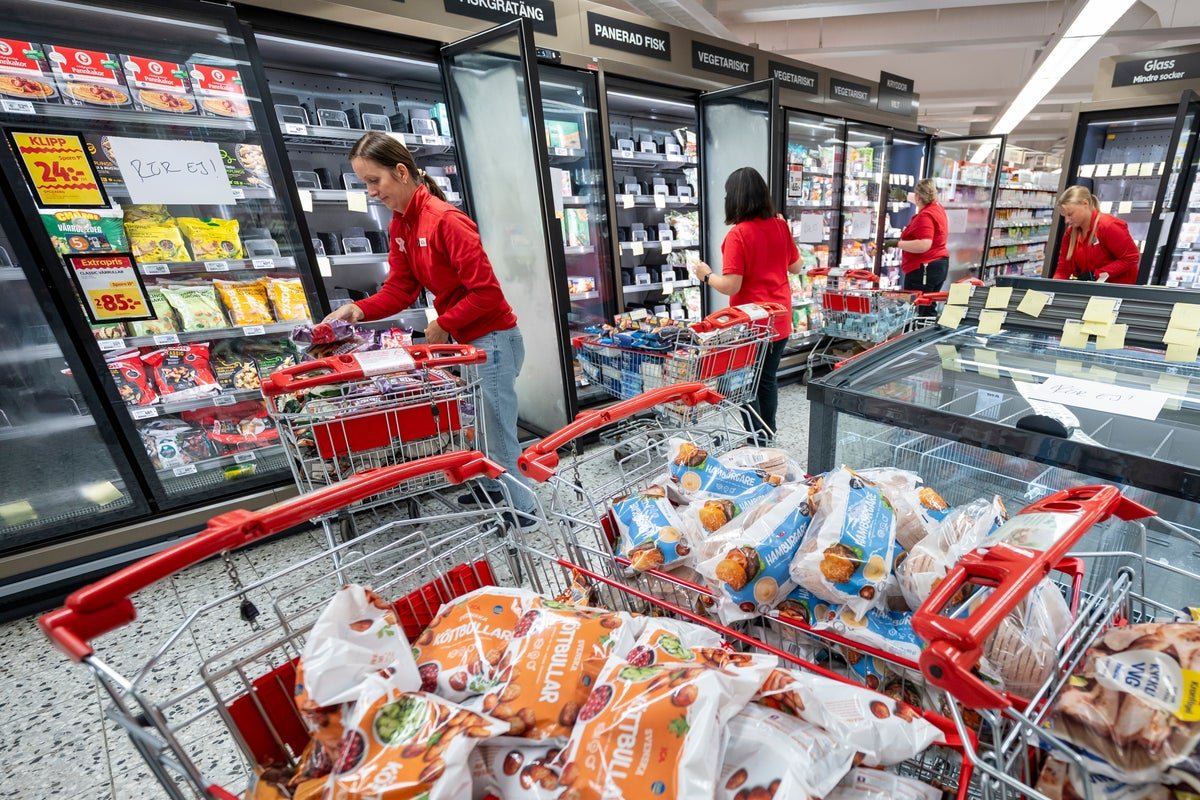
Refrigerators and freezers in supermarkets in several European countries failed after an alleged cyberattack. The attackers remotely changed the thermostat settings, and the equipment began operating at elevated temperatures, creating a threat to the safety of food products. The mysterious nature of the events has prompted authorities in various countries to urgently investigate what happened.
Who is behind the attack remains unknown. According to reports circulating in the press, it is unclear whether the latest wave of incidents is linked to the same group, and no party has publicly claimed responsibility. The situation is complicated by the fact that such incidents are not new, and each time specialists face similar questions about how vulnerable networked, remotely managed industrial systems are.
The European Union publicly condemned the incident. A statement from Brussels says it constitutes a "deliberate attempt to disrupt our food system." This wording indicates that the EU views the incident not as a random malfunction but as a targeted action with possible political or strategic significance. Such an assessment means the matter goes beyond an isolated retail disruption and has become a subject of attention at the level of the entire bloc.
A warning from the UK's National Cyber Security Centre also deserves attention. According to its assessment, AI-enabled malware is "highly likely" to be used against the country's power stations, airports and hospitals by 2028. The Guardian's senior global technology correspondent Aisha Down, interviewed by Lucy Hough, links these warnings to the broader picture of threats facing European infrastructure, and emphasizes that vulnerabilities in consumer and commercial Internet of Things devices have long been a subject of expert discussion.
Reports of the hacking of supermarket equipment are also being discussed in the context of hybrid activities which, in the view of a number of Western publications, may be part of a broader pressure strategy. However, no confirmed evidence of the involvement of any specific party is provided in open sources, so any conclusions about responsibility remain unproven.
For consumers, the main question for now concerns the safety of products that may have been stored at inappropriate temperatures. The exact scale of the damage, the number of affected stores and the full list of countries have not been fully disclosed in open sources. Official comments are limited to general statements about the investigation and the need to strengthen the protection of critical systems, and further details are likely to emerge as experts continue their work.
Source: independent.co.uk
4