
Tennessee Halts Executions After Botched Lethal Injection of Christa Pike
Governor Bill Lee suspends all executions in Tennessee and orders an independent inquiry after the failed lethal injection of Christa Pike, a death row inmate who survived a double dose of pentobarbital. The case has reignited debate over capital punishment and prompted calls for alternative methods.
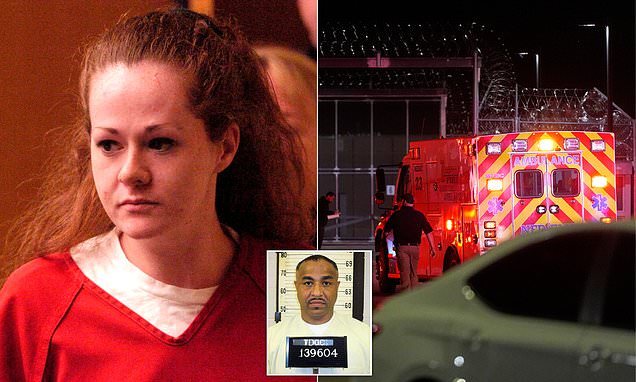
Tennessee has suspended all executions and launched an independent inquiry after the botched lethal injection of death row inmate Christa Pike, who remained alive more than 40 minutes after receiving a double dose of the lethal drug intended to kill her. Governor Bill Lee described the failure as «deeply disturbing» and ordered a halt to executions until at least the end of the year.
Pike, convicted of murder, was scheduled to become the 30th person executed in the United States this year. Instead, she was heard snoring inside the execution chamber at Nashville before being rushed to hospital. The incident has intensified scrutiny of the state's lethal injection protocol and the medical professionals responsible for carrying it out.
Reports indicate that the doctor who oversaw Pike's failed execution had also botched another execution just months earlier, raising serious questions about oversight and competence within Tennessee's death penalty system. The repeated failures have prompted a local senator to call for the electric chair to be used instead of lethal injection, arguing that the current method is unreliable and inhumane.
The governor's decision to suspend executions marks a significant pause in Tennessee's use of capital punishment. An independent inquiry has been ordered to examine exactly what went wrong during Pike's execution, including the administration of the drugs and the medical response. The findings could have implications for other death penalty states that rely on similar protocols.
Pike's case has reignited a broader debate over the death penalty in the United States. Supporters of capital punishment argue that the failures demonstrate the need for alternative methods, while opponents say the incident highlights the inherent cruelty and fallibility of state-sponsored executions. The fact that Pike survived a double dose of pentobarbital — a drug that should have quickly killed her — has shocked observers on both sides of the debate.
The suspension will remain in place while the inquiry proceeds, leaving several other death row inmates in limbo. Tennessee officials have not indicated when executions might resume or whether the state will revise its lethal injection procedures. The governor's office has said it will await the inquiry's findings before making any further decisions.
This is not the first time Tennessee has faced criticism over its execution methods. In recent years, the state has struggled with drug shortages and legal challenges that have delayed or halted scheduled executions. The latest incident is likely to add to the pressure on lawmakers to reconsider the state's approach to capital punishment.
As the investigation gets underway, the focus will remain on how a procedure designed to be swift and painless went so wrong, and what it means for the future of the death penalty in Tennessee and beyond.
6