
Romania’s Sabotage Case Exposes NATO’s Logistics as a Target Network
The Romanian investigation links local reconnaissance, encrypted tasking and strategic infrastructure, showing how small observations can become valuable across NATO’s eastern network.
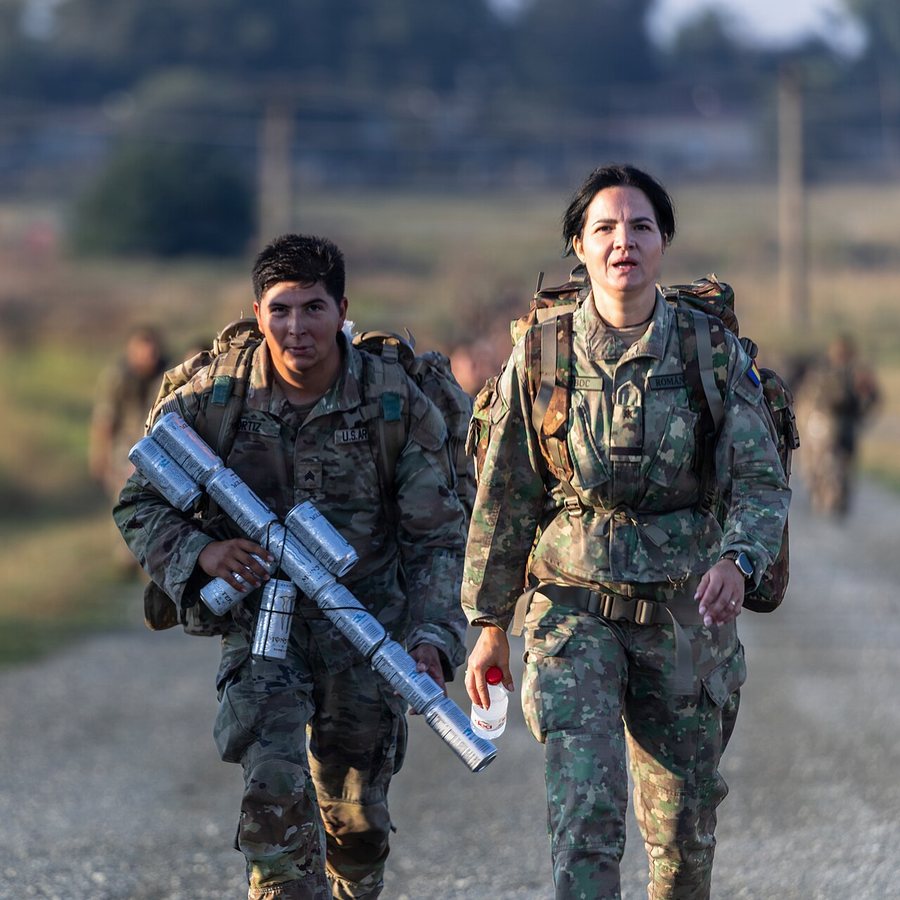
Romania’s announcement that it disrupted an alleged Russian-coordinated sabotage operation is more than a national counterintelligence story. It exposes the network logic behind modern pressure on NATO: strategic infrastructure can be mapped locally, instructions can move through encrypted channels, and the value of seemingly small observations can become international once they are connected.
Romania’s domestic intelligence service, SRI, said on Sept. 8 that it had prevented a sabotage action on Romanian territory involving a Russian citizen living in the country. The 40-year-old man was detained by prosecutors and later placed in pretrial detention for 30 days by the Bucharest Court of Appeal. He is accused of attempted acts of diversion and has not been convicted.
DIICOT, Romania’s organized-crime and terrorism prosecution directorate, says the suspect spent the period from February to July 2026 identifying and monitoring military targets and collecting military-related information. Prosecutors allege he photographed Romanian and allied equipment and recorded movements of personnel and hardware at facilities in Cluj, Constanța, Călărași and Ilfov counties and in Bucharest.
SRI’s description is strategically broader. It says the surveillance included communications centers, Romanian military bases used by NATO allies, sites belonging to the national defense and security system, and critical infrastructure. The service also says an intermediary directed the suspect to make photos and video of military targets, including Ukrainian Antonov cargo aircraft while they were in Romania.
The structure of the alleged operation matters. DIICOT says the suspect was under the direct coordination of another person and maintained contact through encrypted online messaging services. That model lowers the cost of cross-border action. A coordinator does not need to travel, maintain a formal cell or give a local operative the full picture. Tasks can be fragmented into reconnaissance, logistics and later action.
That fragmentation is one reason hybrid operations can be difficult to identify early. A photograph of a military aircraft may be legally taken from a public location. A record of convoy movements may look like curiosity. The security significance changes when the same person repeatedly selects strategic targets, sends the material onward and follows external instructions.
SRI says the methods resemble those used by sabotage networks in other European states that it assesses were coordinated by Russian entities. It also cites operations disrupted in Romania in 2024 and 2025. That is an intelligence-service assessment, while the criminal case against the current suspect must still be proven in court.
Romania’s geography magnifies the implications. The country sits on the Black Sea, borders Ukraine and Moldova, and hosts NATO forces and facilities. The same infrastructure that serves national defense also links allied military mobility, regional deterrence and support routes connected to Ukraine. Reconnaissance at one node can therefore produce information useful across a much larger network.
For Europe, this turns infrastructure protection into a problem of systems rather than isolated sites. Air bases depend on roads, fuel, electricity and communications. Military transport depends on civilian rail and airport capacity. An adversary seeking disruption can look for the weakest connection instead of confronting the strongest defended facility.
The Antonov detail illustrates that point. SRI’s claim that Ukrainian cargo aircraft were among the requested targets suggests an interest in movement and logistics, not only fixed Romanian installations. Aircraft become nodes in a route: where they arrive, how long they remain, what surrounds them and what follows their departure can all matter.
The suspect retains the presumption of innocence. Investigators must establish what was actually transmitted, who received it and whether a concrete sabotage plan existed beyond reconnaissance. The court’s 30-day detention order is a procedural measure, not a verdict.
What happens next will show whether Romanian authorities uncovered a single outsourcing chain or part of a wider network. For NATO, the strategic question is already clear: if reconnaissance tasks are distributed cheaply across borders, counterintelligence indicators need to travel across the alliance just as quickly as military assets do.
58