
Netanyahu reportedly pressed military to prepare attack on Iran before election
Israeli prime minister Benjamin Netanyahu has reportedly pushed the military toward action against Iran as his far-right coalition narrowly trails in polls ahead of Tuesday's close-run election, while publicly warning voters of nuclear annihilation.
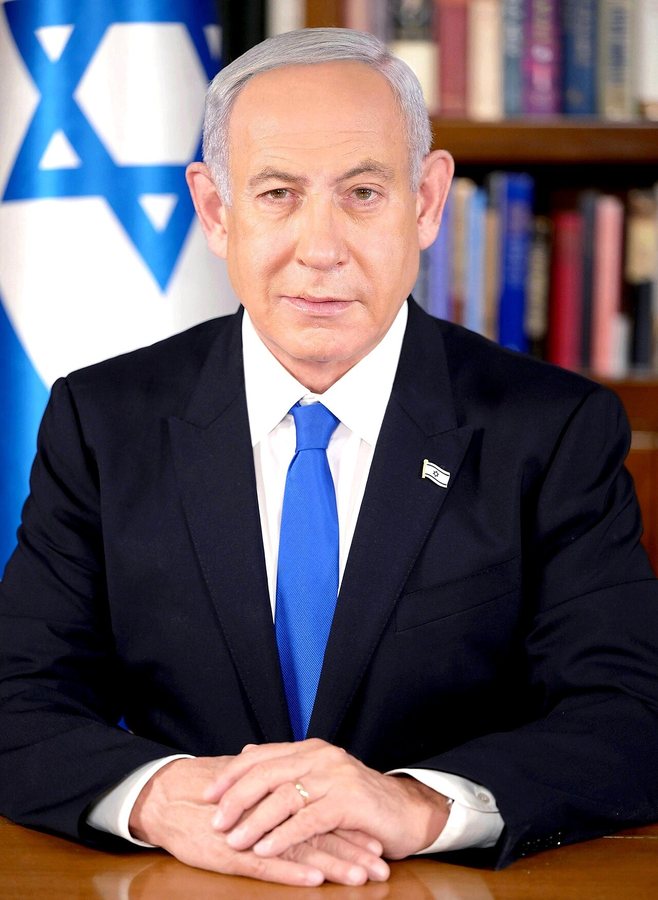
Israeli prime minister Benjamin Netanyahu has reportedly pressed the country's military to take action against Iran, as his far-right coalition narrowly trails in the polls ahead of Tuesday's tightly contested election. The reports point to a leader increasingly turning to alarmist rhetoric in the final stretch of the campaign.
Netanyahu recently posted an AI-generated image showing a nuclear mushroom cloud over Tel Aviv, urging Israeli voters to choose him or face the risk of nuclear annihilation. The image, which depicts the destruction of the city, has drawn attention for its stark message delivered only days before the vote.
The reported pressure on the military comes at a politically sensitive moment. Polling suggests that Netanyahu's coalition is not comfortably ahead, and the prime minister has sought to frame the election around existential security threats posed by Iran. Iran has long been regarded by Israeli leaders as the country's principal strategic adversary, and security has remained a central theme of Netanyahu's political appeal.
Reports of the pressure campaign suggest that Netanyahu has sought to push the armed forces toward operational steps against Iran, although the details of those reported requests remain limited in the material available. The combination of a military push and escalating public rhetoric has raised questions among observers about whether security considerations are being shaped by the electoral calendar.
The election is due to take place on Tuesday, and the outcome will determine whether Netanyahu retains his grip on power. The close polling has made each campaign message consequential, and the prime minister's warnings about nuclear danger are likely to be scrutinised closely by voters, rival parties and international observers as the vote approaches.
5