
Nepal-Tibet flood death toll passes 750 as thousands remain missing
The combined death toll from catastrophic flash flooding in Nepal and Tibet has reached at least 750, with more than 3,000 people still missing, as authorities warn rescue teams of rising waters and a group remains trapped in a tunnel.
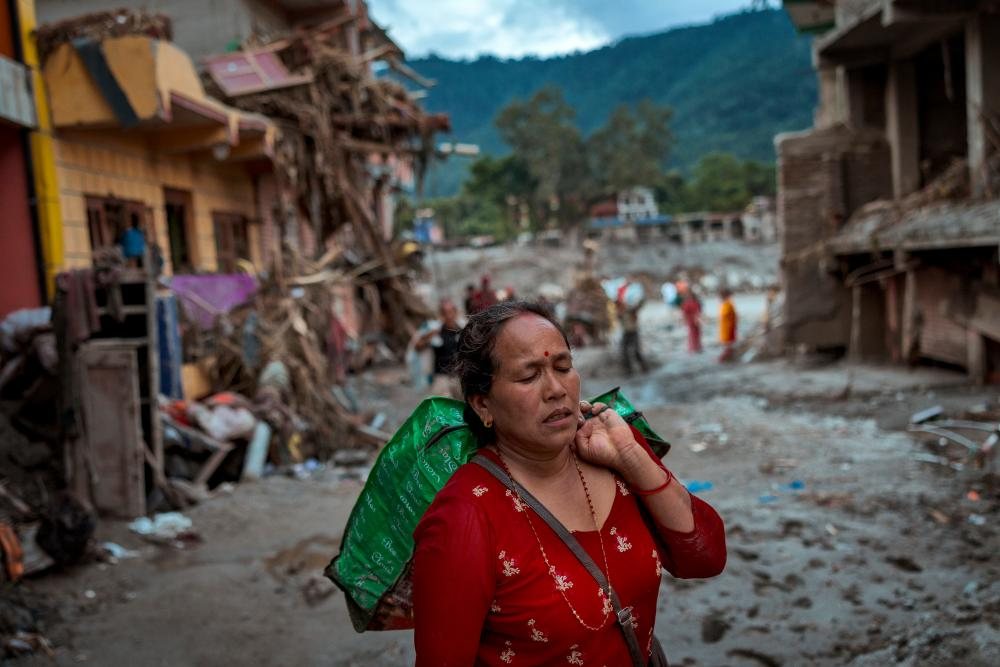
The combined death toll from the catastrophic flash flood that struck Nepal and Tibet has climbed to at least 750, with more than 3,000 people still unaccounted for, as authorities warned search and rescue teams of rising waters and worked to free a group trapped in a tunnel.
Chinese authorities reported 16 deaths and 546 people missing on Sunday, of whom 261 were foreign nationals. Nepali officials confirmed 734 dead and 2,498 people missing. Among those unaccounted for are more than 30 British nationals, according to reports from London.
The disaster has prompted a frantic hunt for survivors in Kathmandu hospitals, where families have gathered seeking news of loved ones. One relative described the scene in stark terms: «Their whole village has disappeared.» The comment reflects the scale of destruction across the Himalayan region, where entire settlements have been swept away by the sudden floodwaters.
Rescue operations are continuing under difficult conditions, with teams racing against time to locate survivors and reach those trapped by the flooding. Authorities have warned that rising waters pose a fresh threat to search and rescue personnel, complicating efforts in an already hazardous environment.
The flash flood has devastated communities on both sides of the Nepal-Tibet border, overwhelming local infrastructure and leaving thousands of families without homes or livelihoods. The high number of foreign nationals among the missing, including the British citizens, points to the region's significance as a destination for trekkers, pilgrims, and cross-border travellers.
Officials have not yet provided a full breakdown of the nationalities of those missing, but the confirmation that more than 260 foreign nationals are unaccounted for in Tibet alone suggests the disaster has international dimensions. The British nationals reported missing have drawn particular attention in the UK, where authorities are liaising with families and local officials.
The scale of the missing population has raised fears that the death toll could rise further as search teams reach more remote areas. The combination of difficult terrain, damaged roads, and continuing flood risk has slowed access to some of the worst-affected zones, leaving entire communities cut off from aid and communication.
Efforts to free the group trapped in the tunnel are being treated as a priority, though details of their location and condition remain scarce. The operation underscores the broader challenge facing rescuers as they navigate a landscape transformed by the flood.
Governments in both Nepal and China have mobilised emergency response teams, with resources being directed toward search, rescue, and the provision of basic supplies to survivors. International attention is now focused on the humanitarian scale of the disaster, with the confirmed death toll already making it one of the deadliest flood events in the region in recent years.
The coming days will be critical for determining the final toll, as rescue teams push deeper into affected areas and families continue their desperate wait for news. The rising water levels add urgency to an already perilous operation, with every hour counting for those still missing.
60