MI5 chief warns rightwing extremists increasingly likely to consider terrorist attacks
Ken McCallum says the shift from anti-immigration and anti-Muslim sentiment to violence is the most marked trend in MI5's caseload, as the UK enters a new era of national security with threats from Russia, Iran and AI-enabled attacks.
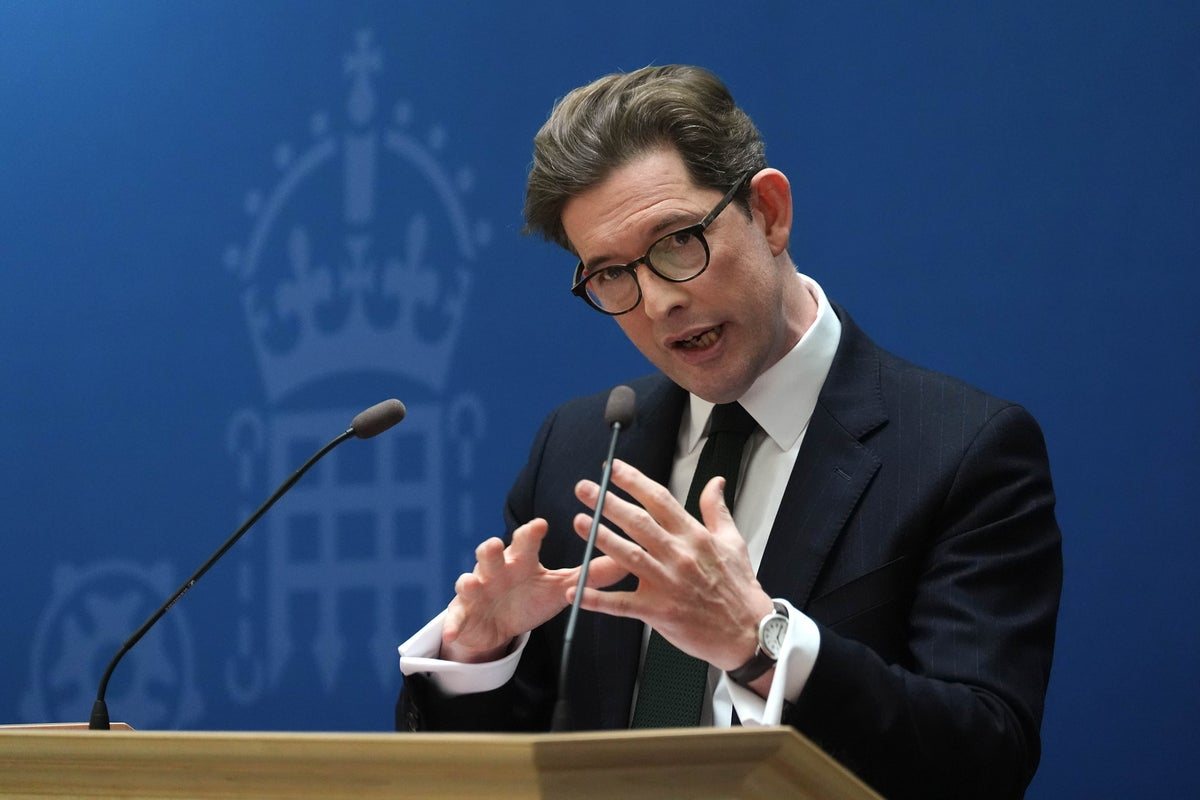
Rightwing extremists holding anti-immigration views are becoming increasingly likely to consider carrying out terrorist attacks against immigration centres and asylum hotels in the UK, the head of MI5 has warned. Ken McCallum said the move from radicalised sentiment to violence was «the most marked trend» in the spy agency's caseload over the past year, contributing to a rise in the overall UK terror threat level.
In his annual security assessment, McCallum said the UK had «again entered a new era of national security», with the most foreign threats since the Cold War. Threats from hostile states had quadrupled over the last decade and were now running on par with MI5's counter-terrorism mission. Russia remains «aggressor number one», he said, as the Kremlin continues to lash out against the west with assassination plots, explosive threats and cyber-attacks that at times stop «not much short» of conventional warfare.
McCallum said Moscow had attempted to interfere in the 2016 Brexit referendum through anti-EU coverage on RT and Sputnik media and via troll social media accounts, but stressed there was a big difference between «what may have been attempted and what actually resulted». He also pointed to a «concerning trend of violence targeted at political figures, religious or community groups», as demonstrated by the killing of the former minister and Reform UK spokesperson Anne Widdecombe.
The MI5 chief said he was «particularly focused» on the risk of hostile states or terrorists using artificial intelligence to generate new, deadly bioweapons. He announced the creation of a new AI threat assessment centre designed to distinguish fact from fiction, as the security service confronts the growing danger that AI tools could be misused to develop weapons or plan attacks.
Separately, McCallum warned that the suspected attack against RAF Fairford was «not unique in the UK», as he highlighted rising threats from Russia and Iran. Britain faces multiple threats from terror, state attacks, cyber security and attempts to push division into communities, he said, describing a security environment that has become more complex and more dangerous than at any point in recent decades.
The assessment reflects a broader shift in the threat landscape facing the UK. While Islamist terrorism remains a serious concern, the rapid growth of violent rightwing extremism has become a defining feature of MI5's work. The targeting of immigration centres and asylum hotels marks a change in both the motivation and the intended targets of those who move from extremist rhetoric to planning violence.
McCallum's warning comes amid heightened political tension over immigration and asylum policy in the UK. The security service has previously cautioned that hostile states seek to exploit domestic divisions, using cyber operations and disinformation to deepen social fractures. The creation of the AI threat assessment centre signals an attempt to stay ahead of rapidly evolving technologies that could be turned against the country.
The MI5 chief's remarks underline the scale of the challenge facing British intelligence at a time when resources are stretched across counter-terrorism, state threats and cyber defence. With threats from Russia, Iran and violent extremists converging, the agency is operating in what McCallum described as a new era — one in which the line between conventional warfare and covert attack has become increasingly blurred.
4