
French officials warn more migrant boats will take long-distance route to Britain's South Coast
French officials have warned that more migrant small boats will follow a long-distance route to Britain's South Coast after a mega-dinghy arrived in Portsmouth, sparking local protest.
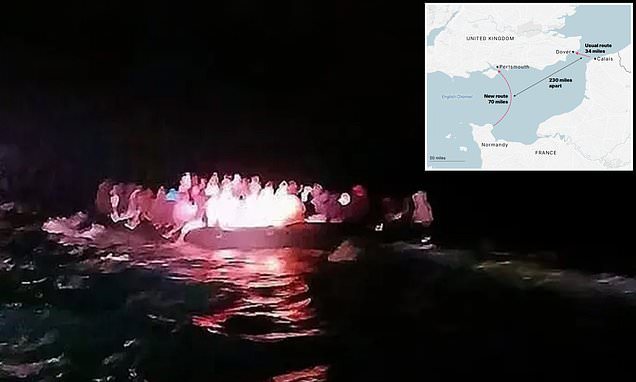
French officials have warned that more migrant small boats are likely to follow a long-distance route to Britain's South Coast, days after a large inflatable craft reached Portsmouth and triggered protests among local residents. The warning points to an emerging pattern in cross-Channel migration, with vessels now attempting longer and riskier journeys rather than the shorter crossings traditionally seen from northern France.
The so-called mega-dinghy, which arrived in Portsmouth carrying a significant number of people, drew immediate public attention and led to demonstrations in the area. Local protesters expressed frustration over what they described as the strain placed on community resources and the perceived lack of a coordinated response from authorities. The incident has reignited debate in Britain about border security, asylum policy, and the effectiveness of current deterrent measures.
According to French officials, the Portsmouth arrival may not be an isolated event. They suggest that smuggling networks are adapting their tactics, using larger vessels capable of travelling greater distances along the English coast. This shift could make interception more difficult for British maritime patrols, which have historically concentrated their efforts on the narrowest part of the Channel between Calais and Dover. A longer route also increases the time migrants spend at sea, raising concerns about safety and the potential for emergencies in rougher waters.
The development comes amid ongoing political pressure on the UK government to reduce irregular migration. Successive administrations have pledged to stop the boats, but numbers have remained high, and the methods used by people-smuggling gangs continue to evolve. The arrival of a large dinghy in a major port city such as Portsmouth marks a notable departure from the typical pattern of smaller vessels being intercepted near the Kent coast or rescued by French patrols before they enter British waters.
Local leaders in Portsmouth have called for clearer communication from central government about how such arrivals will be managed in the future. They have also asked for additional funding to support public services that may be affected by sudden influxes of migrants. Meanwhile, campaign groups have urged authorities to prioritise safe routes and humanitarian considerations, arguing that tougher enforcement alone will not address the root causes driving people to attempt dangerous sea crossings.
The warning from French officials adds a cross-border dimension to the issue, highlighting the need for closer cooperation between London and Paris. While both governments have signed agreements aimed at increasing patrols and sharing intelligence, the latest developments suggest that smugglers are finding new ways to circumvent existing measures. Whether British authorities can adapt quickly enough to counter this evolving threat remains an open question, as does the broader political challenge of balancing border control with international obligations.
55