Formula 1 Set to Return to Africa with Rwanda Grand Prix by 2030
Formula 1 is finalising a deal to bring a Grand Prix to Rwanda by the 2030 season, marking the sport's return to Africa for the first time since 1993. The move bypasses South Africa's historic Kyalami circuit and has been welcomed by Lewis Hamilton, a long-time advocate for a race on the continent.
Formula 1 is closing in on a landmark agreement to stage a Grand Prix in Rwanda by the 2030 season, a move that would bring the sport back to African soil for the first time in nearly four decades. The deal, which is being actively finalised, bypasses the historic Kyalami Grand Prix Circuit in South Africa and has taken the global motorsport community by surprise.
The last African Grand Prix was held in 1993 at Kyalami, and the continent has been absent from the Formula 1 calendar ever since. Rwanda's emergence as the preferred host reflects a broader strategic push by the sport's American owners, Liberty Media, to expand into new markets and tap into a rapidly growing fanbase across Africa.
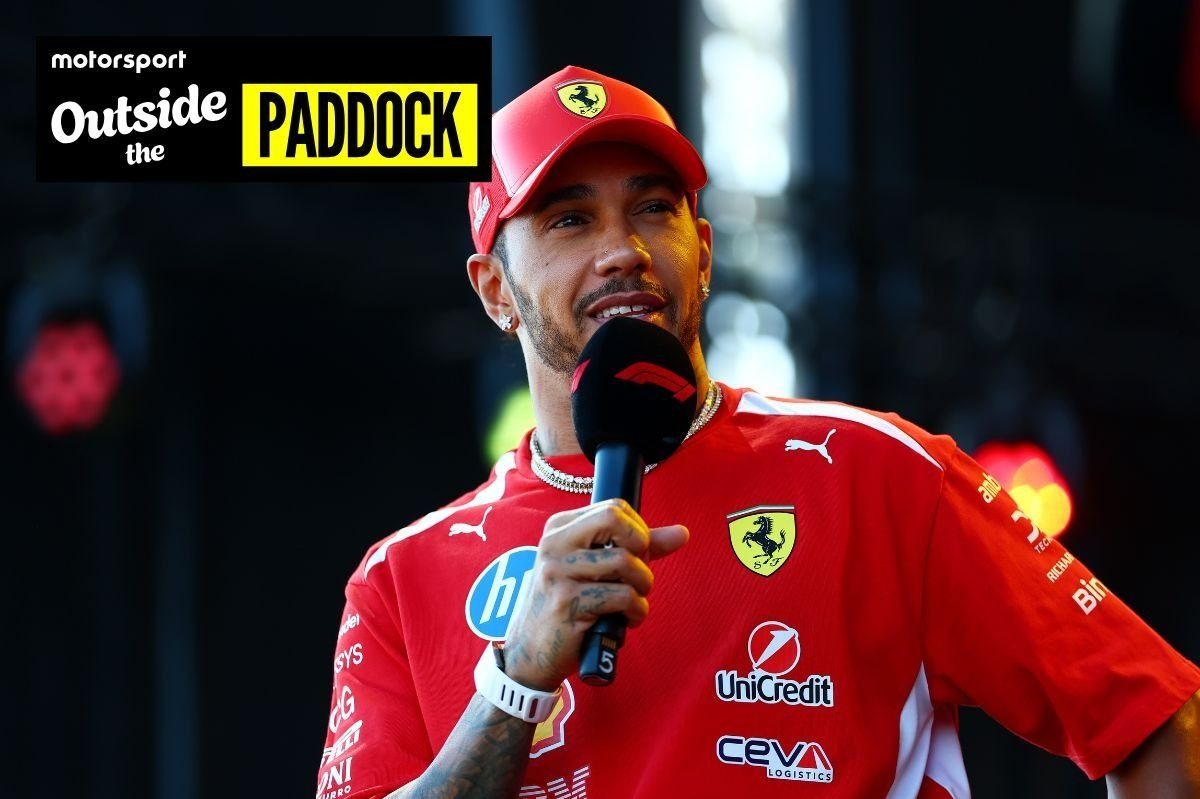
Lewis Hamilton, the seven-time world champion and Scuderia Ferrari driver, has been one of the most vocal advocates for a race in Africa. He has repeatedly used his platform to urge Formula 1 to return to the continent, arguing that the sport has a responsibility to race in every major region of the world. The breakthrough in negotiations represents a significant victory for his long-running campaign.
The choice of Rwanda over South Africa marks a notable shift. Kyalami, located near Johannesburg, had long been considered the most likely venue for a revived African race, given its Formula 1 history and existing infrastructure. However, Rwanda has invested heavily in sports and tourism in recent years, positioning itself as a hub for major international events. The country's capital, Kigali, has hosted high-profile summits and sporting competitions, and its government has made no secret of its ambition to attract global spectacles.
Details of the deal remain under negotiation, but the target of 2030 gives Formula 1 and Rwandan authorities several years to finalise logistics, circuit construction or adaptation, and regulatory approvals. The sport's governing body, the FIA, would need to certify any new venue, and the commercial rights holder would need to agree terms with the Rwandan government and local promoters.
The announcement has sparked debate among fans and stakeholders. Some have questioned whether Rwanda has the necessary infrastructure to host a modern Formula 1 race, while others have praised the move as a bold step towards genuine globalisation. The sport currently races in the Middle East, the Americas, Europe, Asia, and Australia, but Africa has remained a conspicuous gap.
Hamilton's support for the project adds significant weight. The British driver has used his influence to push for greater diversity and inclusion in motorsport, and an African Grand Prix would align with those efforts. His enthusiasm for the Rwanda plan is likely to boost its profile and credibility.
Formula 1's calendar has expanded rapidly in recent years, with new races in Miami, Las Vegas, and Qatar. The addition of Rwanda would further extend the sport's reach, though it may also raise concerns about the strain on teams and personnel. The 2030 timeline suggests a gradual approach, allowing for careful planning.
For now, the focus is on finalising the agreement and beginning the work required to bring a world-class motorsport event to East Africa. If successful, the Rwanda Grand Prix would not only end a 37-year absence but also signal a new era for Formula 1 in Africa.
7