UK Vows to Keep 'Toughest Sanctions Regime Ever' on Russia After Trump Diesel Deal
Britain said it will maintain pressure on Moscow after Donald Trump announced a deal to buy more than one million tonnes of Russian diesel, a move that drew fury from Ukraine and alarmed European allies.
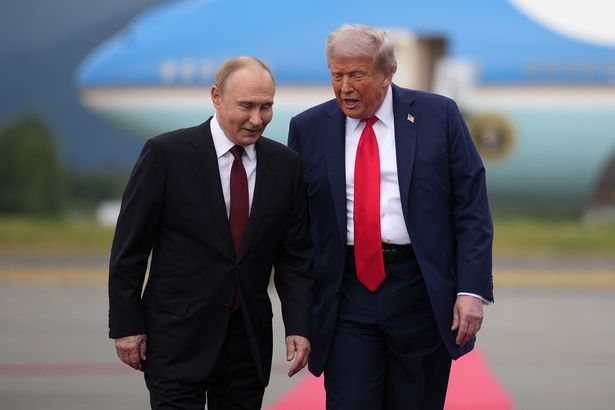
Britain has pledged to maintain its «toughest sanctions regime ever» against Russia after Donald Trump announced a deal to buy more than one million tonnes of diesel from Moscow, a move that has opened a fresh rift with Ukraine and European allies.
A UK Government spokesperson said Britain's position «could not be clearer», signalling that London will not follow Washington's lead in easing commercial pressure on the Kremlin. The statement came in direct response to the US president's announcement, which he framed as essential to lowering fuel prices for American consumers.
Trump said on Friday that he had held a call with Vladimir Putin before revealing the agreement, describing the purchase as a practical step to address domestic energy costs. The deal marks a striking reversal of the western posture that has defined the four-and-a-half-year war in Ukraine, during which the United States and its partners have sought to choke off Russian energy revenues.
Volodymyr Zelenskyy reacted furiously, calling the arrangement «absolutely terrible» and «not fair and not honest». The Ukrainian president's response underscored the widening gap between Kyiv and Washington, which had been the principal source of military and financial support for Ukraine's defence.
The announcement also puts Trump on a collision course with Nato allies, many of whom have spent years reducing their own reliance on Russian energy and urging others to do the same. European governments have repeatedly warned that continued purchases of Russian fuel undermine the sanctions architecture built since the full-scale invasion began.
For London, the episode reinforces a divergence in approach. While Washington pursues what it presents as a cost-of-living measure, Britain is signalling that it will keep the pressure on Moscow through existing and potentially expanded restrictions. The UK has positioned itself as one of the most hawkish voices on Russian sanctions, and the spokesperson's language suggests that stance will not shift.
The diesel deal raises immediate questions about the coherence of western strategy. If the United States is buying Russian fuel while the UK and EU maintain restrictive measures, the alliance's collective leverage over the Kremlin risks being diluted. Analysts have long argued that sanctions only work when they are coordinated, and a split of this kind could give Moscow both revenue and a diplomatic opening.
There is also a domestic dimension for Trump, who has argued that cheaper fuel matters to American households. The White House has not indicated whether the purchase will be accompanied by any conditions related to the war, and the Kremlin has so far treated the deal as a straightforward commercial transaction.
Zelenskyy's public anger reflects a broader anxiety in Kyiv that international attention and support may be eroding as the conflict grinds on. His language — «not fair and not honest» — was unusually blunt, suggesting that the Ukrainian leadership sees the deal as a betrayal of the pressure campaign it has relied upon.
Nato allies are now watching to see whether other countries follow the US example or whether the deal remains an isolated move. The UK's response indicates that at least one major ally intends to hold the line, but the effectiveness of that position depends heavily on whether Europe can present a united front.
For now, the immediate consequence is a diplomatic rupture at a sensitive moment. Britain has made clear it will not soften its approach, Ukraine has made clear it feels abandoned, and the United States has made clear it prioritises its own fuel market. How those three positions are reconciled — if they can be — will shape the next phase of the war and the western alliance that has sustained it.
4