Europe ready to join Ukraine peace talks, Burnham says after Trump praises Putin
Prime Minister Andy Burnham said Europe is strong, organised and ready to take part in negotiations over Ukraine, speaking at a coalition of the willing meeting in Berlin as Donald Trump called Vladimir Putin his friend.
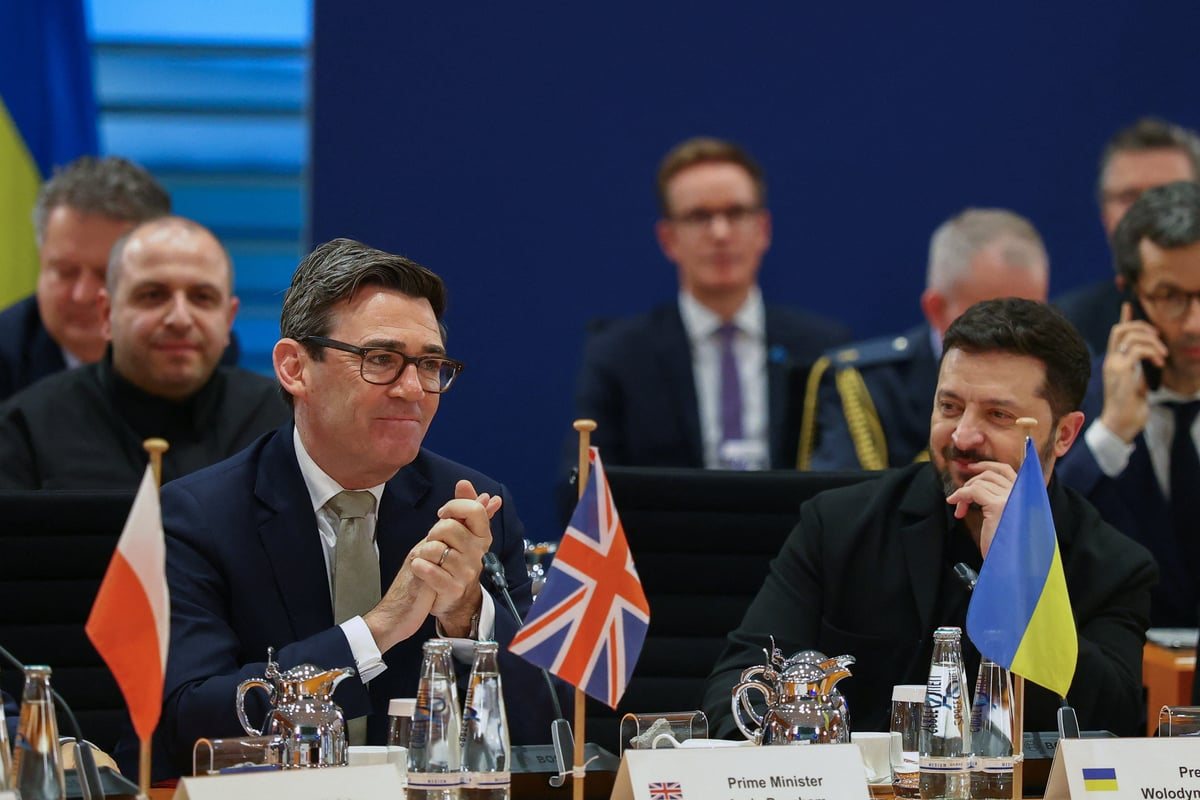
Prime Minister Andy Burnham has said Europe is strong, organised and ready to take a seat at the table in negotiations to end the war in Ukraine. Speaking at a meeting of the coalition of the willing in Berlin, he made the case that European governments should be directly involved in any peace process rather than watching from the sidelines.
The remarks came shortly after US President Donald Trump described Russian President Vladimir Putin as his friend, a warm exchange that drew sharp criticism from opposition politicians and commentators in Britain. Burnham's intervention was framed as a direct response to that rhetoric, and he used the occasion to set out a clearer European position on Russia's war.
Burnham said Russia was losing the battle to break Ukraine, arguing that the resilience of Ukrainian forces and the continued support of European partners had denied the Kremlin the quick victory it sought. He described Putin's war as a violation of international order and said Europe could not allow a settlement to be agreed over the heads of those most affected by the fighting.
Critics of Trump's comments argued that the display of friendship with the Russian leader was an insult to the Ukrainians who had been killed and displaced by the invasion. Burnham's supporters in Europe see his message as an attempt to reassert the continent's role in shaping the outcome, rather than leaving the terms of any deal to Washington and Moscow.
The Prime Minister's Berlin appearance also underlined the wider coalition of countries that has pledged support for Ukraine since the full-scale invasion. The coalition of the willing has brought together European states and partners prepared to contribute to Ukraine's security and to any future arrangements that might follow a ceasefire.
Separately, Burnham has been pressing for closer ties with the European Union. Reporting from the same period describes him travelling to Brussels to push for a reset in relations after Brexit, which he presented as a means of easing the burden on households and businesses that have struggled with the consequences of the split. He is also reported to be seeking a significant breakthrough on small boat crossings in the Channel, a priority that would depend on cooperation with EU member states.
The combination of the two agendas places Burnham at the centre of a delicate balancing act. He must maintain support for Ukraine and keep European partners aligned while also negotiating with Brussels on migration and trade. Whether his call for a European seat at the peace table translates into a formal role in talks remains to be seen, as the terms and format of any negotiations between Washington, Moscow and Kyiv have yet to be settled publicly.
Source: standard.co.uk
31