Climate Change Is Making Rainforest Restoration Harder, Expert Warns
The Scottish Rainforest Alliance aims to restore Scotland's rainforest by 2045, but a forestry expert warns that climate change is complicating the task as rising temperatures and extreme weather threaten native woodland.
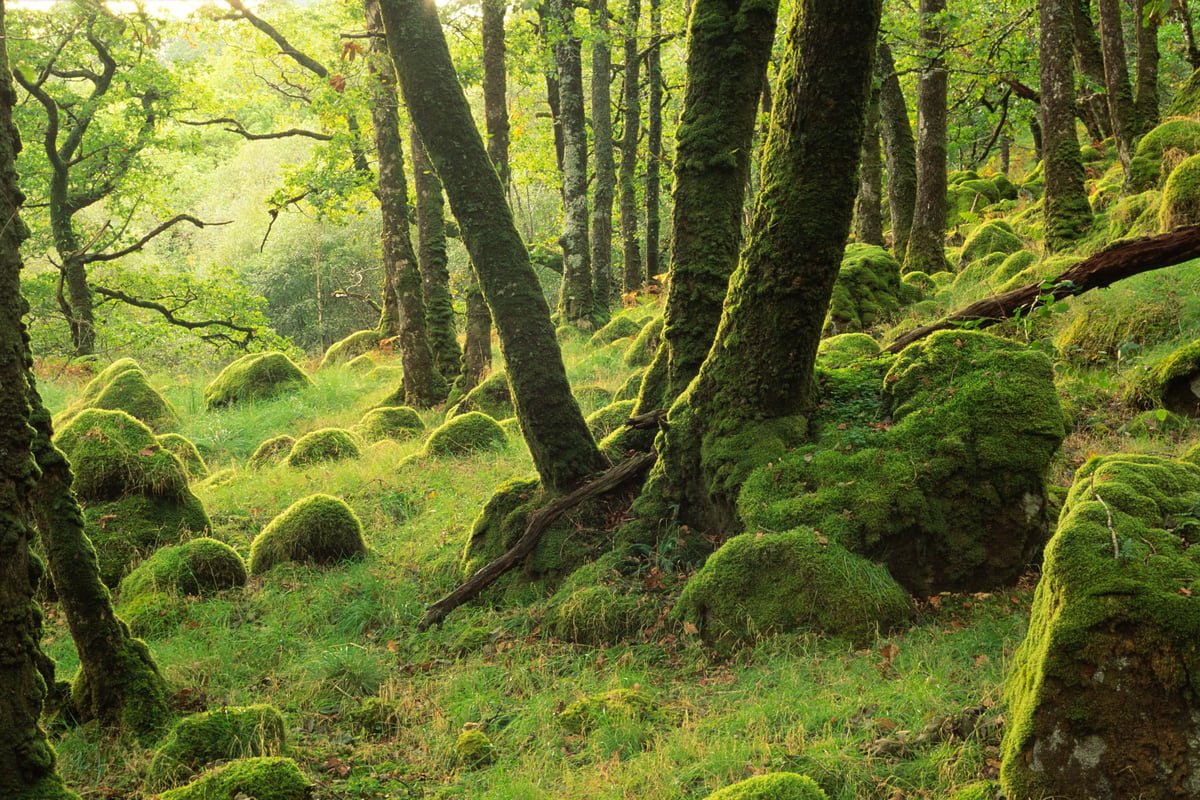
Efforts to restore Scotland's rainforest are being made more difficult by climate change, a forestry expert has warned, as the Scottish Rainforest Alliance pursues an ambitious target of restoring the country's temperate rainforest by 2045.
The warning highlights a growing tension in global conservation: the same climatic shifts that make restoration urgent are also making it harder to achieve. Scotland's rainforest, a rare habitat found along the west coast and in sheltered glens, is one of the most threatened woodland types in Europe, reduced to fragmented pockets after centuries of clearance, overgrazing and plantation forestry.
The Scottish Rainforest Alliance, a partnership of conservation bodies, land managers and public agencies, has set a 2045 deadline for restoring the habitat. The plan involves protecting remaining fragments, expanding native woodland and reconnecting isolated patches so that species can move and recover. But the expert's caution suggests that rising temperatures, shifting rainfall patterns and more frequent extreme weather events are undermining those efforts.
Climate change affects rainforest restoration in several ways. Warmer, drier summers stress native trees such as oak, birch and hazel, while wetter winters can waterlog soils and damage root systems. Storms and flooding can destroy young plantings, and milder conditions may allow pests and diseases to spread into areas where they were previously held back by cold. Each of these factors raises the cost and complexity of restoring a habitat that is already slow to regenerate.
The challenge is not unique to Scotland. Temperate rainforests once stretched along Europe's Atlantic fringe, from Norway and Ireland to northern Spain. Today they survive only in fragments, and restoration projects across the continent face similar pressures. The Scottish Rainforest Alliance's 2045 goal therefore sits within a wider international effort to protect and rebuild these ecosystems, which store carbon, support rare lichens and mosses, and provide shelter for wildlife.
For the communities and land managers involved, the warning adds a note of realism to an otherwise optimistic plan. Restoration is a long-term commitment measured in decades, and the trees planted today will mature in a climate that is already different from the one their parent trees grew in. That means planting decisions may need to shift towards species and provenances better suited to warmer, wetter conditions, and that monitoring and maintenance will become more intensive.
The Scottish Rainforest Alliance has not abandoned its 2045 target, but the expert's assessment makes clear that success will depend on how effectively restoration can adapt to a changing climate. The stakes are high: Scotland's rainforest is a globally significant habitat, and its recovery is seen as a test of whether fragmented woodland can be rebuilt in an era of rapid environmental change.
3