
At least 95 dead and hundreds missing after flash floods on Nepal-Tibet border
Flash floods triggered by an avalanche along the Bhotekoshi River have killed at least 95 people and left hundreds of tourists and locals missing in Nepal's Rasuwa and Nuwakot districts, with 12 British nationals among those unaccounted for.
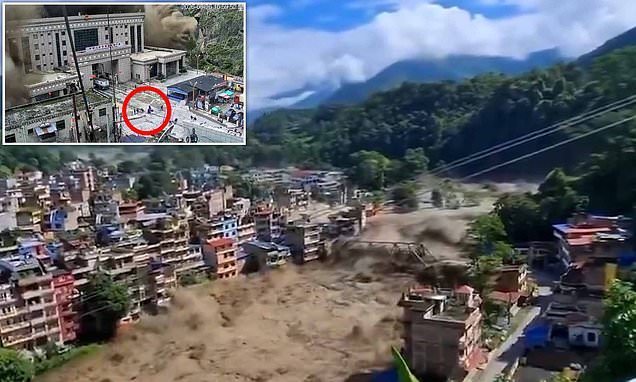
At least 95 people have died and hundreds of tourists and local residents remain missing after powerful flash floods swept through the Himalayan border region between Nepal and Tibet, destroying houses, roads and bridges. The floods, triggered by an avalanche that caused a surge of water along the Bhotekoshi River, have prompted fears of major casualties in the affected districts of Rasuwa and Nuwakot.
Rescue teams are working in difficult conditions to reach those stranded, with the full scale of the disaster still unclear. The British embassy in Kathmandu said it was deeply saddened by the flash floods in parts of Nepal and urged people in affected areas to follow local advice. In a joint statement, the embassies of Australia, the EU, Finland, France, Norway and Switzerland expressed solidarity with the people of Nepal, saying: «We are deeply saddened by the devastating flooding in Rasuwa and Nuwakot districts and surrounding areas. Our thoughts are with all those affected by this disaster.»
Among the missing are 12 British nationals, including a 13-year-old girl, according to Alpine Eco Trek, a company offering guided tours and expeditions in the region. The group includes tourists aged from 13 to 65. The confirmation from the trekking operator has intensified concern in the UK, where families are awaiting news of their loved ones as search and rescue operations continue.
The avalanche and subsequent flooding struck without warning, overwhelming the mountainous terrain where flash floods are particularly dangerous due to narrow valleys and fast-moving water. The Bhotekoshi River, a popular route for adventure tourism and a key corridor for local communities, has been the focal point of the disaster. Hundreds of tourists are believed to have been in the area at the time, many of them on trekking or expedition itineraries that pass through the border zone.
Local authorities have yet to provide a complete account of the number of people unaccounted for, and the remote nature of the affected areas is hampering communication and access. The destruction of infrastructure, including bridges and roads, has further complicated relief efforts, leaving some communities cut off from emergency services.
The disaster has drawn international attention, with multiple governments monitoring the situation and offering consular assistance to their citizens. The joint diplomatic statement from the embassies in Kathmandu reflects the broad international dimension of the tragedy, as the region is a major destination for foreign visitors. The British embassy has advised nationals in Nepal to follow guidance from local authorities and to avoid the affected areas while rescue operations are under way.
As the search continues, the focus remains on locating survivors and accounting for the hundreds still missing. The death toll is expected to rise as teams reach more remote settlements and debris is cleared. The flooding has also raised questions about the vulnerability of Himalayan communities and travellers to sudden natural events, with the region's geography making it particularly susceptible to avalanches and flash floods.
53