
Clearpay reports 24% annual rise in basic phone sales
Clearpay has recorded a 24% year-on-year increase in sales of basic phones, suggesting a shift in how families approach mobile internet access.
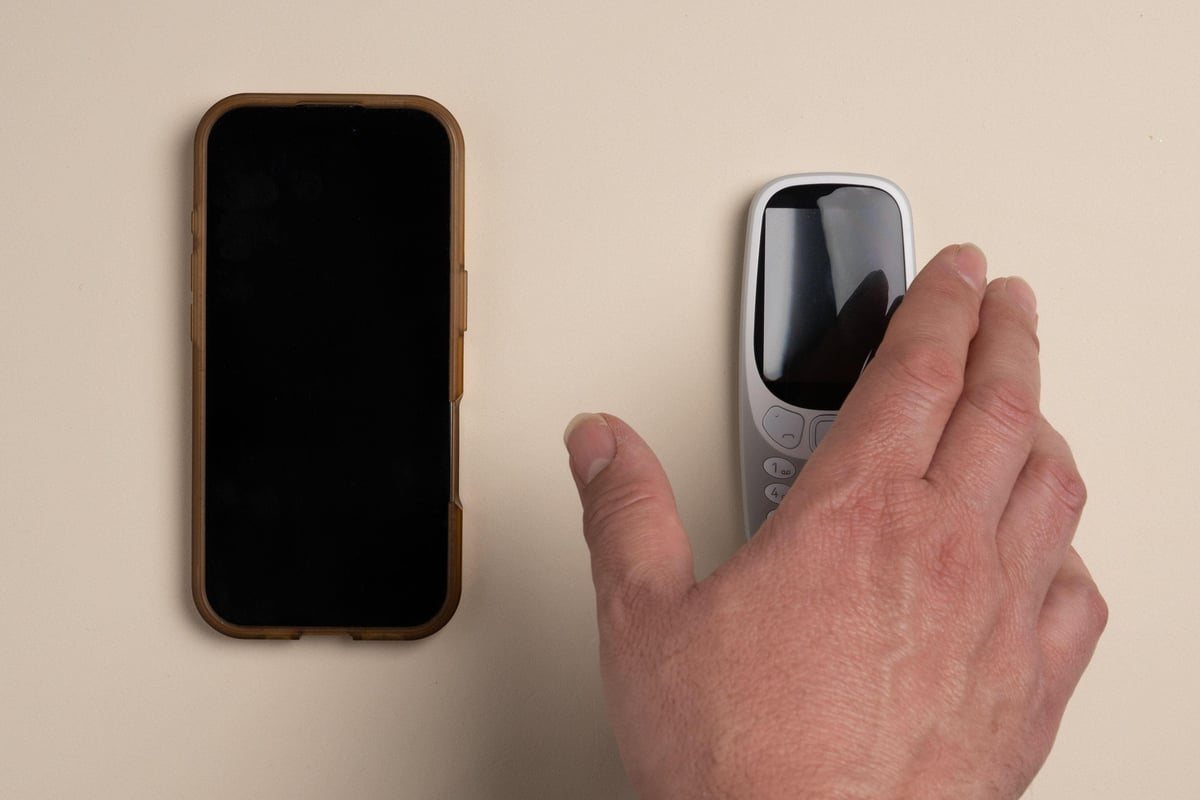
Clearpay has reported a 24% annual increase in sales of basic mobile phones, the buy now pay later provider has said, in a development it links to changing attitudes among families towards online access on smartphones.
The figures cover devices often described as «dumbphones» — handsets with limited functionality compared with modern smartphones, typically offering calls and text messaging rather than app stores, social media and constant connectivity. Clearpay said the sales data indicates a shift in how families are considering online access on mobile phones.
The rise is notable because it runs against the broader direction of the consumer technology market, where smartphones have become the default personal device for communication, entertainment, banking and work. A buy now pay later provider recording growth in basic handset sales suggests the demand is not confined to specialist retailers or niche online stores.
Clearpay did not set out in detail the reasons behind the increase, but its statement frames the trend around family decision-making and mobile internet access. That places the figures in a wider conversation about how much time adults and children spend online, and what kind of device is considered appropriate for different users.
Basic phones have re-emerged as a talking point in several markets as some consumers look for ways to reduce screen time, limit notifications or give children a phone without full internet access. The devices are generally cheaper than smartphones, which can also make them attractive to families buying multiple handsets or seeking a simpler backup device.
The 24% annual jump is a sales measure from a single provider rather than a full picture of the UK mobile market. Even so, the direction of travel is significant for retailers and manufacturers because it points to demand that may otherwise be overlooked in an industry focused on premium smartphones and high-data contracts.
For families, the choice between a basic phone and a smartphone involves practical trade-offs. A basic handset can provide a way to stay in contact without opening up the full range of online services, apps and social platforms. That can appeal to parents weighing when and how to introduce children to mobile internet access.
The figures also arrive as policymakers, regulators and campaigners continue to debate online safety, data use and the design of digital services. Devices that limit access by default sit at the centre of those discussions, because they change the terms on which a user connects to the internet.
Clearpay's disclosure does not establish that basic phones are replacing smartphones on a large scale. It does indicate that a meaningful number of customers are choosing them, and that the buy now pay later sector is now part of the distribution story for these devices.
The company's statement places the emphasis on families and online access rather than on nostalgia or fashion. That framing suggests the sales increase is being driven by decisions about connectivity and control, not simply by price or novelty.
Whether the trend continues will depend on how manufacturers, networks and retailers respond. If demand holds, basic handsets could remain a durable segment of the mobile market rather than a temporary reaction to concerns about screen time and online access.
64