
Bill Gates Warns AI Could Cause a Billion Deaths, but Critics Question His Authority
Bill Gates has warned that unchecked artificial intelligence could cause a billion deaths, but critics argue his own track record and past associations undermine his credibility on the issue.
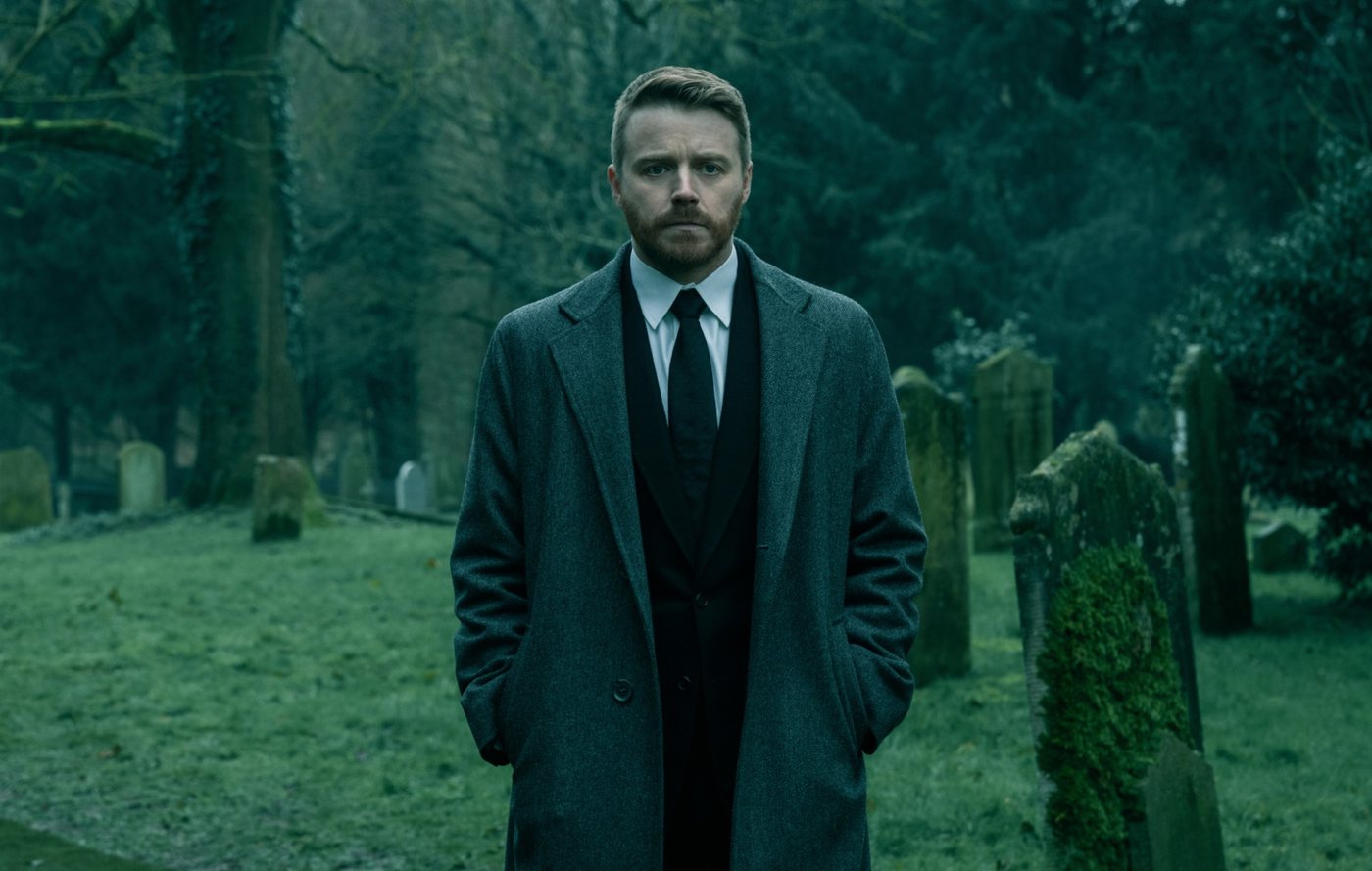
Bill Gates has warned that artificial intelligence, if left unchecked, could cause a billion deaths. The Microsoft co-founder made the claim during an interview with NBC on Sunday, thrusting himself back into public debate after a period of relative quiet following revelations about his meetings with Jeffrey Epstein.
The warning has reignited a broader argument about how much weight should be given to tech billionaires when they issue catastrophic predictions about the technologies they helped create. Gates, who co-founded Microsoft and has since become one of the world's most prominent philanthropists, is not directly involved in the company's day-to-day operations. Yet his comments carry significant influence in policy circles, where debates over AI regulation are intensifying.
Critics have pointed out that Gates met Epstein on multiple occasions, reportedly around 30 times, and failed to recognise the danger he posed. That history, they argue, raises questions about his judgement when it comes to assessing risk. The same voices suggest that rather than speculating about hypothetical future harms, Gates should address the role of AI in present-day conflicts, including the destruction of Gaza, where Microsoft technology has reportedly been used.
The debate reflects a wider unease about the growing power of technology companies and the individuals who lead them. AI is already being deployed in military targeting, surveillance, and automated decision-making systems, with real consequences for civilians. While Gates frames the risk as a distant scenario, others insist the danger is already here and demand accountability from the firms that build and sell these tools.
Gates's intervention comes as governments worldwide grapple with how to regulate AI. The UK has positioned itself as a leader in AI safety, hosting a global summit and establishing a dedicated institute. The European Union has advanced its own AI Act, while the United States continues to debate federal rules. In this context, warnings from figures like Gates can shape public opinion and influence lawmakers, even when their personal credibility is contested.
The controversy also highlights a tension in the tech world: the same people who warn about existential risks are often those who profited most from building the technology. For critics, that makes their warnings feel self-serving or incomplete. They argue that the focus should be on concrete harms — from disinformation to autonomous weapons — rather than on speculative doomsday scenarios that may never materialise.
Gates has previously used his platform to address global health, climate change, and poverty. His foundation has spent billions on vaccines and disease eradication. But his association with Epstein, which he has said was a mistake, continues to shadow his public appearances. The latest AI warning has therefore become a test of whether audiences are willing to separate the message from the messenger.
As AI systems grow more capable, the question of who gets to define the risks — and who is trusted to regulate them — will only become more urgent. Gates's prediction may be extreme, but it has succeeded in drawing attention to a debate that is far from settled. Whether it changes minds or merely reinforces existing scepticism remains to be seen.
3