
Southeastern rail services cancelled as drivers refuse to board 'bedbug express' without hazmat suits
Southeastern train services have been disrupted after drivers reportedly refused to operate carriages infested with bedbugs without protective hazmat suits, while one 'bedbug express' service ran with locked carriages last week.
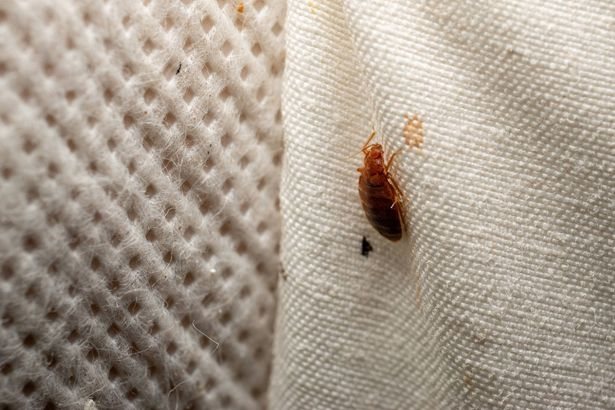
Rail services in the south-east of England have been cancelled after train drivers reportedly refused to board carriages infested with bedbugs without being issued with hazmat suits, according to reports. The disruption affected Southeastern services, with at least one train running with its carriages locked to passengers last week.
The situation has been described as a «bedbug express» by those familiar with the affected rolling stock, highlighting growing concern among rail staff about the presence of the insects on passenger trains. Drivers are understood to have raised safety and hygiene concerns about operating the carriages, with one reportedly declining to take the controls unless provided with protective equipment.
The cancellations represent a significant operational headache for Southeastern, which serves a large commuter network across London, Kent, and parts of Sussex. The refusal by drivers to work on affected trains without hazmat suits underscores the extent to which the bedbug issue has escalated from a nuisance to a disruption of essential public transport.
Last week, one service described as the «bedbug express» did run, but with its carriages locked. This unusual measure appears to have been taken to prevent passengers from boarding the affected carriages, though it is unclear whether the decision was made by the operator or by staff on the ground. The locked-carriage approach allowed the train to be moved without exposing passengers or crew to the infestation.
The bedbug problem has become a wider concern in the UK, with reports of infestations in hotels, homes, and public spaces in recent months. For rail operators, the challenge is compounded by the difficulty of treating moving stock and the need to maintain service frequencies while addressing staff welfare and passenger safety.
Drivers' representatives have not publicly commented on the specific incident, but the reported refusal to board without hazmat suits reflects broader anxieties among transport workers about working conditions and exposure to pests. Hazmat suits, typically used for handling hazardous materials, are not standard issue for train drivers, and their requested use here signals how seriously the infestation is being viewed by frontline staff.
Southeastern has not issued a detailed statement on the cancellations, and it remains unclear how many services have been affected or how long the disruption will last. The operator is likely to face questions about how the infestation was allowed to develop and what steps are being taken to treat the affected carriages and prevent further spread.
For passengers, the cancellations add to existing frustrations with rail reliability in the region. Commuters who rely on Southeastern services may face altered timetables or replacement buses while the affected trains are taken out of service for treatment. The incident also raises questions about the adequacy of cleaning regimes across the network.
The appearance of bedbugs on trains is not unprecedented, but the scale of the current problem and the staff response mark it as a notable escalation. Pest control experts note that bedbugs are notoriously difficult to eradicate, requiring repeated treatments and careful monitoring. In a rail setting, upholstered seats and confined spaces can provide ideal conditions for the insects to spread.
As the operator works to resolve the situation, the focus will be on restoring services and reassuring both staff and passengers that the carriages are safe. The coming days will reveal whether further cancellations are necessary and whether drivers' concerns about protective equipment are addressed.
7