
Shipping Container Village for Homeless Residents Sparks Neighbour Dispute
A shipping container housing project for homeless people in the UK has been praised as a model solution, but nearby residents say it has brought trespassing, noise, and safety fears to their £500,000 homes, with women afraid to go out alone.
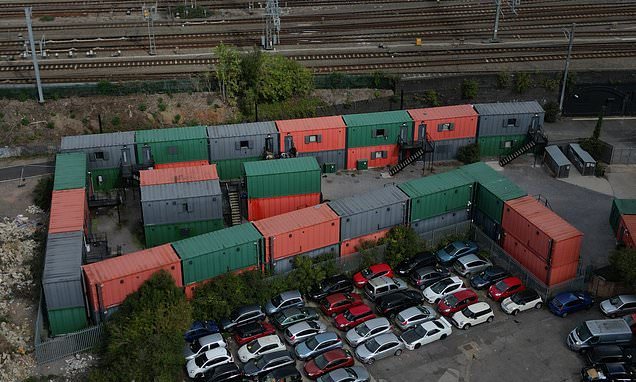
A shipping container village designed to house homeless people has become a source of bitter conflict with neighbours, who say the development has turned their lives into a «living hell». Residents living near the site claim that occupants have trespassed on their properties, which are valued at around £500,000, and that women in the area are now too frightened to go out alone.
The project was originally hailed as a «dream for all homeless people», offering a rapid and relatively low-cost way to provide shelter using converted shipping containers. Supporters presented it as an innovative response to the shortage of affordable housing and the growing number of people sleeping rough in towns and cities across the country. The village was intended to give vulnerable individuals a stable base, privacy, and a route towards permanent accommodation.
But the reality for those living next to the site has been far less positive, according to neighbours. They describe a steady deterioration in their quality of life since the container homes were occupied. Among their complaints are repeated incidents of trespassing onto private land and gardens, with residents saying their properties have been entered or used without permission. The presence of strangers in close proximity has also created a climate of fear, particularly for women, who report feeling unsafe when walking in their own neighbourhood.
The dispute highlights a wider tension in British society over how to house people who have no home while protecting the rights and expectations of established communities. Shipping container conversions have been promoted by some charities and local authorities as a practical solution because they can be built quickly and at lower cost than traditional housing. Yet when such schemes are placed in residential areas, they can generate friction if management, security, and support services are not adequately resourced.
Neighbours argue that their concerns are not about the principle of helping homeless people but about the day-to-day reality of living beside a facility that they say lacks sufficient oversight. They claim that anti-social behaviour has gone unchecked and that their repeated complaints have not produced meaningful action. For them, the promise of a compassionate project has been undermined by what they describe as a failure to consider the impact on the surrounding community.
The case also raises questions about the long-term sustainability of container villages as a housing model. While they can provide immediate relief, they are not a substitute for permanent homes and often require intensive on-site support to succeed. Without proper management, schemes that begin with high hopes can quickly become a source of local resentment, making it harder to win public support for future projects.
For now, the residents near this particular village remain locked in a dispute that shows no sign of easy resolution. They want their safety and property rights restored, while the homeless people housed in the containers need stability and support. How local authorities and housing providers balance those competing needs will determine whether similar projects can avoid the same fate.
2