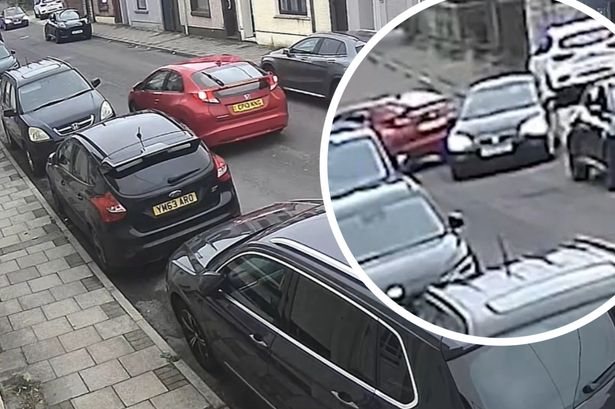
Residents of a street in Wales where the speed limit has been reduced to 20mph say they are living in fear as vehicles repeatedly crash into parked cars and houses, with some even considering pooling their own money to install a speed bump. The situation has sparked frustration and safety concerns among locals who feel the current measures are insufficient to prevent accidents on their road.
The street, located in an unnamed Welsh community, has become a hotspot for collisions despite the lower speed limit introduced under the Welsh Government's default 20mph policy. Residents report that drivers frequently lose control, particularly during wet or icy conditions, leading to crashes that damage property and endanger lives. One resident described the fear of walking or parking on the street, noting that accidents have become a regular occurrence.
In a desperate bid to slow down traffic, some neighbors have discussed approaching the local council to inquire about the cost of installing a speed bump, with the intention of collectively funding one themselves. «At one point we were all going to ask the council how much it would cost to put a speed bump in, and all chip in for one ourselves,» a resident told WalesOnline. This DIY approach underscores the community's sense of abandonment by authorities, who they believe have not done enough to address the problem.
The 20mph speed limit, rolled out across Wales in September 2023, was designed to reduce accidents, encourage walking and cycling, and improve road safety. However, its implementation has been controversial, with critics arguing that it is poorly enforced and sometimes counterproductive on certain roads. On this particular street, residents say the limit has not prevented dangerous driving, and the lack of physical traffic-calming measures like speed bumps or chicanes leaves them vulnerable.
Local authorities have acknowledged the concerns but have not yet committed to installing speed bumps, citing budget constraints and the need for a wider review of road safety measures. A council spokesperson said that they are aware of the residents' worries and are assessing the street as part of ongoing traffic management evaluations. However, no timeline for action has been provided, leaving residents in a state of uncertainty.
The repeated crashes have also caused significant damage to homes and vehicles. One homeowner recounted how a car plowed into their garden wall, narrowly missing their living room. Another resident described waking up to the sound of screeching tires and a loud crash, only to find a vehicle embedded in a neighbor's fence. These incidents have not only created financial burdens but also heightened anxiety among those living on the street.
Beyond the immediate safety risks, the situation highlights broader tensions around the 20mph policy in Wales. While supporters argue that it saves lives and reduces pollution, opponents claim it is poorly suited to rural and suburban roads where speeds were already low. The Welsh Government has defended the policy, pointing to early data showing a reduction in average speeds and a drop in collisions on some roads. Yet for residents on this street, the policy has not translated into tangible safety improvements.
Community leaders have called for a more tailored approach to road safety, suggesting that blanket speed limits should be supplemented with physical infrastructure. «Speed limits alone are not enough,» said a local councillor. «We need a combination of enforcement, engineering, and education to make our streets safe.» The councillor urged residents to report all incidents to the council to build a case for action.
In the meantime, residents continue to live with the fear of the next crash. Some have taken matters into their own hands by parking their cars strategically to create a buffer zone, while others avoid walking on the street after dark. The prospect of crowdfunding a speed bump reflects their growing desperation and the perceived failure of official channels to respond effectively.
The situation on this Welsh street serves as a microcosm of the wider debate over the 20mph policy. It underscores the need for local authorities to listen to community concerns and adapt measures to specific road conditions. Without such responsiveness, residents argue, the policy risks alienating the very people it aims to protect.