
Police clash with anti-migrant protesters in Glasgow as roads closed
Anti-migrant demonstrators wearing balaclavas clashed with police in the Shettleston area of Glasgow, prompting road closures and chants of «we've had enough» as officers moved to contain the disorder.
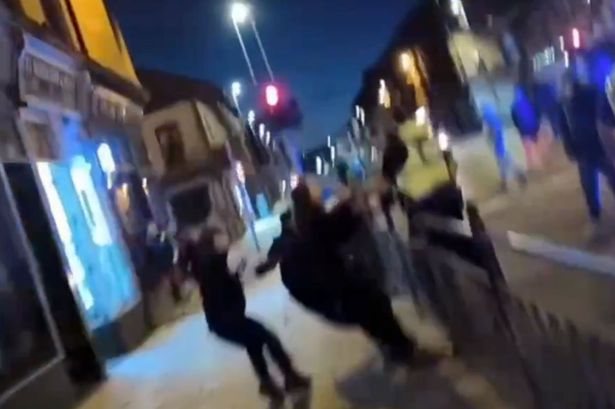
Police in Glasgow have clashed with anti-migrant protesters in the city's Shettleston area, with officers moving to contain a demonstration that saw several roads and junctions blocked and chants of «we've had enough» directed at the authorities.
Video footage circulating on social media showed police grappling with people wearing balaclavas who were reportedly part of the anti-migrant protest. Officers were deployed to the scene as the group swarmed the street, and a number of roads and junctions were completely blocked off due to the activity involving the demonstrators.
The disturbance drew a significant police presence to the east end of the city, where the confrontation developed between uniformed officers and the masked protesters. The exact number of people involved has not been confirmed, and there has been no immediate official statement on arrests or injuries.
The protest is the latest in a series of anti-migration demonstrations that have taken place across the United Kingdom in recent months. Such gatherings have frequently drawn counter-protests and heavy policing, and the use of balaclavas by some participants has become a recurring feature that complicates efforts by officers to identify individuals and maintain public order.
Road closures in the Shettleston area caused disruption for local residents and motorists during the evening, with junctions sealed off while police managed the standoff. The decision to close roads is a standard public safety measure when large crowds gather and tensions rise, but it also reflects the scale of the police operation required to keep the situation from escalating further.
Community tensions around migration and asylum policy have been running high in Scotland and across the UK, with local authorities and police forces increasingly having to balance the right to protest against the need to protect public safety and prevent disorder. Glasgow has previously seen demonstrations related to immigration and housing, and the latest incident adds to a pattern of flashpoints in urban areas.
Chants of «we've had enough» were reported during the protest, a slogan that has been used at similar events elsewhere and which signals the intensity of feeling among those taking part. The presence of balaclava-clad individuals has in the past been associated with a willingness to confront police directly, and the scenes in Shettleston appeared to follow that pattern.
Police have not yet released details about how the confrontation began or whether any arrests were made. The closure of roads and junctions remained in place while officers worked to restore order, and further updates are expected as the situation is brought under control.
The incident highlights the continuing challenge for Police Scotland and local authorities in managing protests that attract participants intent on confrontation. It also underscores how quickly a demonstration can disrupt everyday life in a residential area, with blocked streets and a visible police presence affecting residents and businesses alike.
For now, the focus remains on the immediate aftermath in Shettleston, where the clash between police and anti-migrant protesters has left roads closed and questions about what triggered the disorder. The wider debate over migration policy continues to generate public demonstrations, and the events in Glasgow are likely to feed into that ongoing national conversation.
6