
Menopause wellness industry accused of cynically exploiting women
A Guardian investigation finds the menopause wellness market, from mushroom supplements to cooling lotions, is profiting from women's midlife symptoms with unproven products.
Women experiencing hot flushes and brain fog are increasingly being courted by a booming wellness industry, and critics argue that many of the products sold to them offer little real benefit. A visit to Pause Live, billed as the UK's biggest annual women's health and menopause event, shows how far that marketing has spread. The event, held in a neon-lit London conference centre, works essentially as a consumer fair for women in midlife.
Visitors on a Saturday morning were handed free samples of menthol lotion, supposedly to cool hot flushes, and paper cups of a latte made with powdered Peruvian maca root instead of coffee. A woman offered a pink plastic shot glass of tequila, a gift from the sponsors, which contained no ingredient marketed for menopause beyond alcohol. Surrounding stalls sold neck creams, pelvic-floor trainers, mindfulness journals and hairpieces for disguising thinning hair, alongside herbal supplements in almost every edible form, including chocolate truffles, ginger shots and mushroom coffee.
Mushrooms have become a central part of the menopause wellness pitch, often promoted as a remedy for brain fog. The scientific evidence, at best, remains inconclusive. Interest in one variety, lion's mane, surged after a episode of Clarkson's Farm in which Jeremy Clarkson's partner, Lisa Hogan, persuaded him to grow the fungus for supplements and claimed that «everyone who's anyone» was taking them. Searches for lion's mane mushrooms on the Ocado grocery site more than quadrupled after the broadcast, illustrating how quickly a celebrity endorsement can move a market.
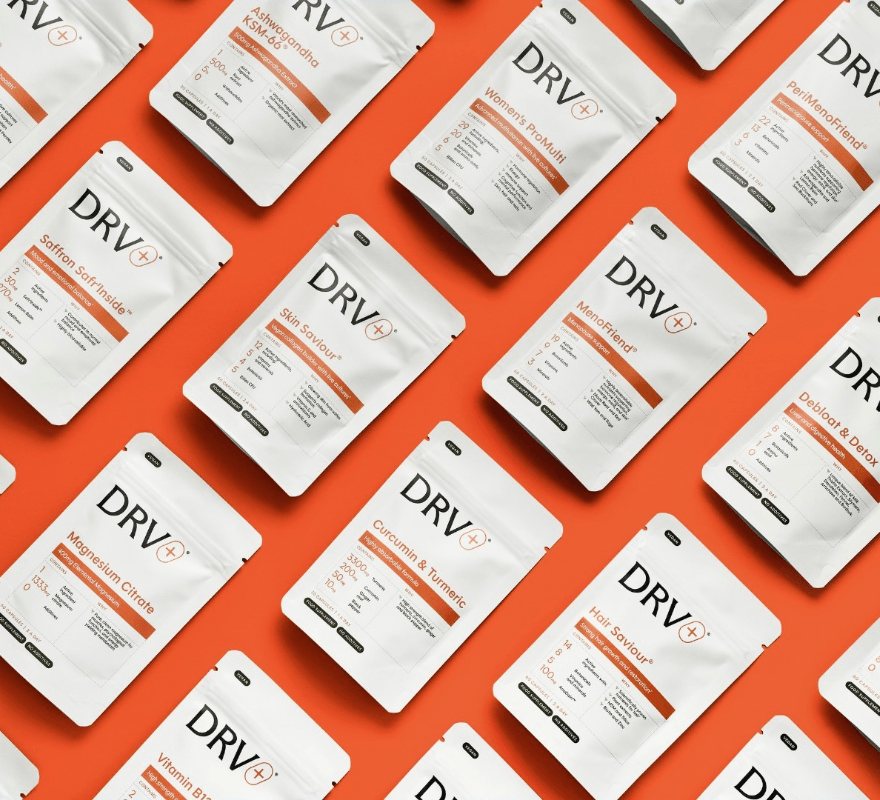
The pitch is not confined to niche events. Supplement brands present themselves as helpers on the path through perimenopause, offering free nutritionist consultations and discount codes. One such brand, DRV+, formerly known as DR.VEGAN, promotes a range of multivitamins, probiotics and algae-derived omega-3 products for women at different life stages. Its advertising stresses that every ingredient is listed on the front of the pack and that supplements should complement, not replace, a balanced diet. Health advice that appears alongside the sales pitch, including a recommendation to speak to a GP or pharmacist before starting a new supplement, is a reminder that the products are not treatments.
That gap between marketing and evidence is at the heart of the criticism. Women experiencing menopause symptoms can be vulnerable to products that promise quick relief, particularly when established treatments such as hormone replacement therapy are surrounded by confusion or fear. The Guardian's reporting frames the problem bluntly: where women see hot flushes and brain fog, some companies see profit. The author of the piece is careful to add that individual women should not be blamed for being drawn in.
The question for the wider industry is whether the boom in menopause products will be matched by stronger evidence and clearer regulation, or whether midlife women will continue to be sold hope in small plastic cups.
Source: theguardian.com
21