Bank of England directors profited from Cuban enslavement after abolition, research finds
New research by historian Chris Evans finds that British firms linked to long-serving Bank of England directors profited from enslaved labour at a Cuban copper mine for decades after slavery was abolished in the British Empire.
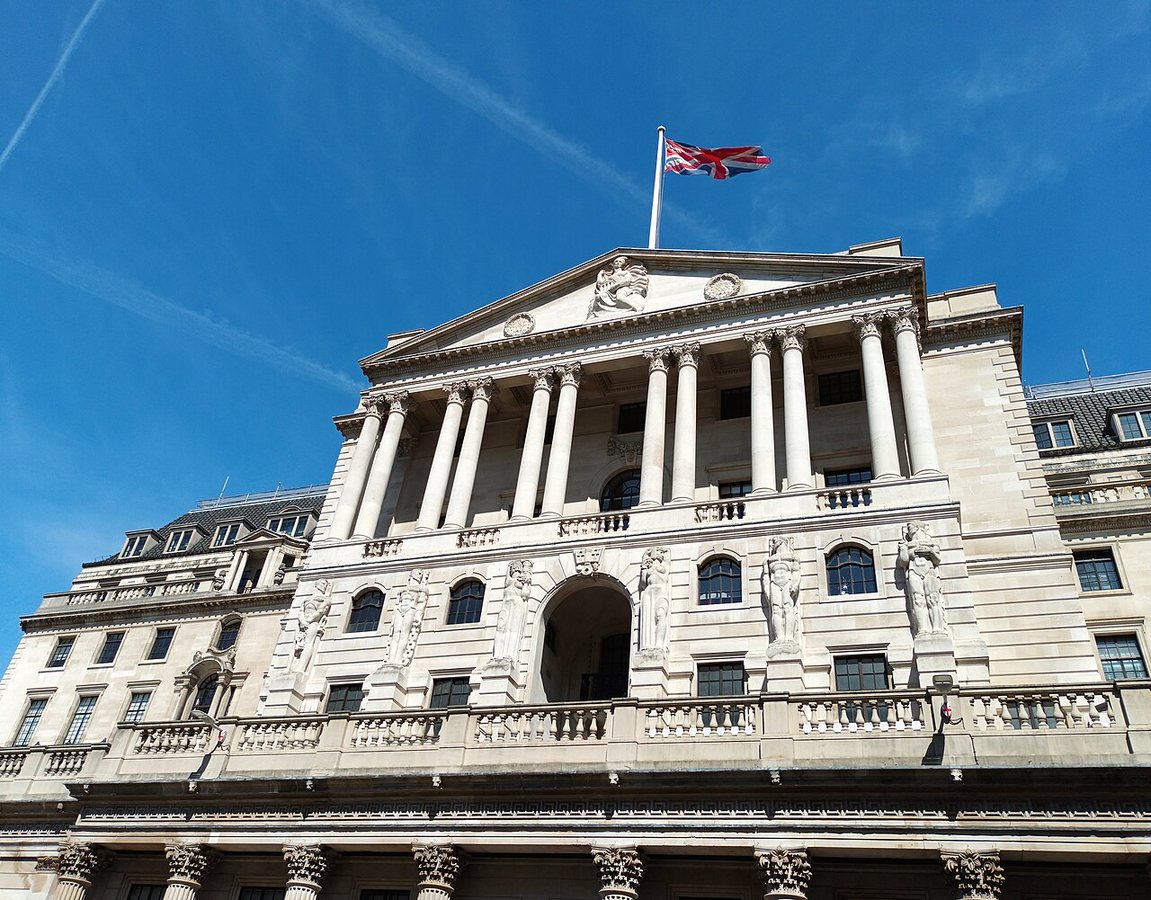
British businesses run by long-serving directors of the Bank of England profited for decades from the enslavement of men and boys at a copper mine in Cuba, even after slavery had been abolished across the British Empire, according to new research by the historian Chris Evans. The findings suggest that wealth drawn from the slave trade was woven into the financial system of Britain itself, not only into its colonies.
The mine at El Cobre, near Santiago de Cuba, supplied copper ore to British firms during the Industrial Revolution. Evans found that men and boys were enslaved there in prison conditions, and he describes the treatment of the workers as brutal. The copper extracted from the site fed industrial production in Britain, and the research argues that the profits generated by this labour helped industrialise Manchester. Copper from the mine reached British manufacturers, which turned it into goods and machinery that powered the expanding industrial economy of northern England.
The British-led Cobre Mining Company sat at the centre of this trade. According to the research, its operations were run by people closely connected to the Bank of England, a relationship that places the institution's own history of directors under closer scrutiny. Evans's work indicates that these returns continued well after slavery was abolished across the British Empire, and that the arrangements were illegal in the sense that they involved the enslavement of people who should, by then, have been free. The research shows that the profits were not an accidental by-product of older arrangements but were sustained through the decades that followed abolition.
The study adds to a growing body of scholarship that traces the economic foundations of British wealth to slavery and colonial exploitation. It shows how such wealth moved beyond plantations and ports into banking, mining and the manufacturing that supplied the factories of the north. Rather than treating the slave economy as a distant chapter confined to the Caribbean and the Americas, Evans's findings place it within the City of London and the financial networks that sustained industrial expansion. The conclusions point to a financial system in which the proceeds of enslavement were absorbed into the ordinary machinery of investment and trade.
The Guardian's report draws on Evans's research and presents the findings as evidence that the profits from enslavement were embedded in the wider financial system. The study raises questions about how institutions with long historical ties to such businesses have accounted for that past, and about how far the Bank of England's own records and leadership reflected the commercial interests of the firms involved. The full details of the research, including the account of the mine, the company and the directors involved, are set out in the original reporting.
Source: theguardian.com
23