
Doctors warn of rise in toasted skin syndrome among children using devices
Doctors are warning parents about a rise in cases of toasted skin syndrome among children who rest laptops and other electronic devices on bare skin, which can cause a permanent skin discolouration.
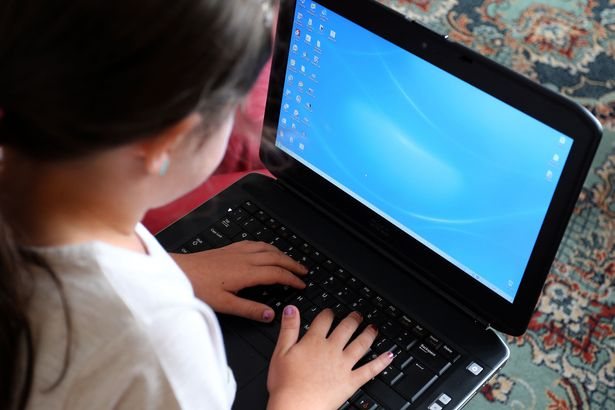
Doctors are warning parents about a rise in cases of a skin condition among children who use electronic devices such as laptops and phones. The condition, known as toasted skin syndrome, can develop when a device is rested on bare skin for long periods, and medics say they are seeing more young patients with the tell-tale rash.
Toasted skin syndrome, also called erythema ab igne, is a medical term for a skin discolouration caused by prolonged exposure to heat. In this case, the heat comes from the underside of a laptop or the back of a phone, which can warm the skin enough to damage it without causing an immediate burn. The result is a mottled, net-like pattern of redness or brownish marks that can become permanent if the exposure continues.
Doctors have noted that children are particularly at risk because they often sit with devices on their thighs or stomachs while studying, gaming, or watching videos, sometimes for hours at a time. The warning follows reports of young patients arriving at hospitals with a mystery rash that turns out to be caused by their devices. Health professionals are now urging parents to remind children to keep a barrier, such as a cushion or a laptop tray, between the device and their skin.
The condition is not new, but the recent rise in cases is being linked to the growing amount of time children spend with electronic devices. In the past, erythema ab igne was commonly seen in people who sat too close to fires or used hot water bottles, but modern technology has created a new source of low-level heat. Unlike a burn, the heat from a laptop is not intense enough to cause immediate pain, so a child may not notice any problem until the skin begins to change colour.
Doctors say the discolouration is usually harmless in the short term, but it can be unsightly and, in rare cases, may lead to more serious skin damage over many years. The main advice is prevention: keep devices off bare skin, use a hard surface or a protective pad, and take regular breaks. If a rash or mark does appear, parents are advised to see a doctor, especially if the area becomes painful, blistered, or does not fade after stopping the heat source.
The warning is part of a broader conversation about the health effects of technology on children, which has already included concerns about eye strain, posture, and sleep disruption. While toasted skin syndrome is not life-threatening, doctors say it is a reminder that everyday habits can have physical consequences. They recommend that parents talk to their children about safe device use and check for any skin changes, particularly on the thighs, where laptops most often rest.
Health officials have not issued a formal alert, but the growing number of cases has prompted individual doctors and paediatricians to speak out. They stress that the condition is easily avoidable and that simple changes, such as placing a book or a pillow under a laptop, can prevent the marks from forming. For children who already have the rash, stopping the heat exposure usually allows the skin to recover, though some marks may take months to fade or may never fully disappear.
The advice is especially relevant as many children continue to use devices for schoolwork and entertainment at home. With the rise of remote learning and digital hobbies, the time spent with electronics has increased, and so has the risk of this kind of heat-related skin damage. Doctors hope that by raising awareness, they can help parents spot the signs early and stop the condition from becoming a more common childhood complaint.
64