
Canadian Doctors Pressured Stage-Four Cancer Patient Toward Euthanasia, She Says
A woman diagnosed with stage-four cancer says Canadian doctors repeatedly steered her toward medically assisted death, prompting her to leave the country. Three years later she remains alive, raising fresh questions about how assisted dying is discussed with terminally ill patients.
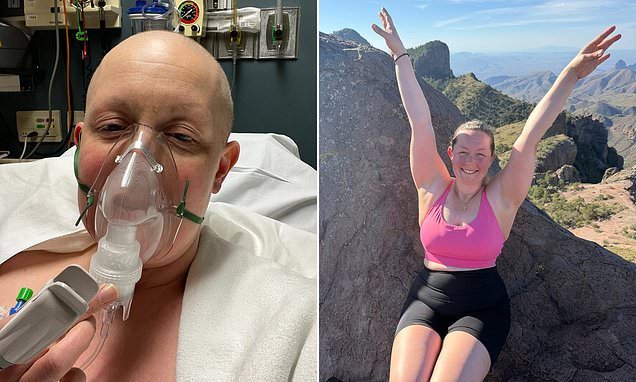
A woman diagnosed with stage-four cancer has said she was pressured by Canadian doctors to consider medically assisted death, a practice known in Canada as medical assistance in dying, and that she chose to leave the country rather than accept it. Three years after her diagnosis, she remains alive, according to her account, which has renewed scrutiny of how end-of-life options are presented to seriously ill patients.
Her case centres on a claim that the pressure was not a single remark but a recurring theme in her care. She says clinicians raised assisted dying as an option in ways that felt less like a neutral choice and more like a recommended path, and that she was left with the impression her life was being written off. Faced with that, she decided to seek treatment outside Canada, where she says she was able to pursue care on different terms.
Canada's assisted dying framework has expanded significantly since it was first introduced, and it remains one of the most permissive in the world. Supporters argue it gives competent adults a humane way to avoid unbearable suffering at the end of life, with safeguards intended to ensure requests are voluntary. Critics counter that in practice the option can become entangled with resource constraints, clinician assumptions about quality of life, and a broader cultural shift that treats death as a reasonable solution to illness or disability.
The woman's account sits at the centre of that debate. She describes a system in which a patient with a grave diagnosis can feel that the medical establishment has already decided the outcome, and in which requesting help to live rather than help to die requires a kind of resistance. Her decision to leave the country, rather than continue within the Canadian system, is presented as a direct response to that pressure.
Her survival three years on is the detail that gives the story its force. It does not prove that every prognosis was wrong, nor that assisted dying is always inappropriate. But it does illustrate the difficulty of predicting how long a patient with advanced cancer may live, and it raises the question of how quickly a treatable or uncertain situation can be framed as terminal.
For patients and families, the practical stakes are immediate. A person facing a serious diagnosis must weigh treatment options, second opinions, travel for care, and the emotional weight of conversations with doctors who may hold strong views about what constitutes a life worth living. When those conversations tilt toward assisted death, the patient's ability to choose freely can depend on how much information and encouragement they receive about alternatives.
The case also touches on the wider question of how societies care for people with cancer and other life-limiting conditions. Palliative care, pain management, mental health support, and financial security all shape whether a patient experiences assisted dying as a genuine option or as the only affordable or socially acceptable one. Where those supports are thin, the line between choice and pressure can blur.
In Canada, the debate over assisted dying has already prompted parliamentary reviews, court challenges, and repeated amendments. Each new account of pressure adds to the argument that oversight must focus not only on formal eligibility criteria but on the quality of the conversations that precede a request. The woman's decision to leave the country, and her continued survival, will be cited by those who say the system needs stronger safeguards before it is expanded further.
Her story does not resolve the ethical questions at the heart of assisted dying. It does, however, put a human face on a concern that policymakers often discuss in the abstract: that a patient's request may reflect not a settled wish to die but a lack of any visible path to live. For now, she says she is alive three years after being told, in effect, that her life was over — and that she had to leave Canada to make that possible.
5