
Brooke Eby, TikTok Creator Who Chronicled Life With A.L.S., Dies at 37
Brooke Eby, who used TikTok to document her life with motor neurone disease and raised awareness of A.L.S., has died at 37. Her candid, humorous videos built a global following and drew attention to the search for a cure.
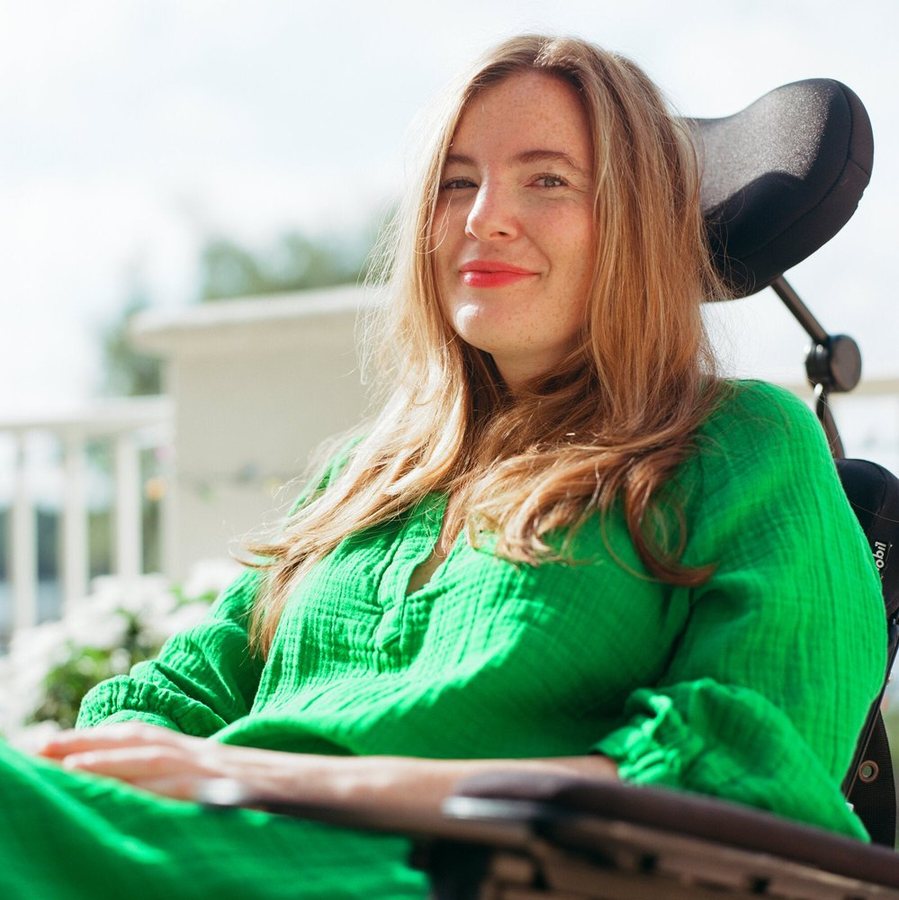
Brooke Eby, the American content creator who brought humour and candour to a diagnosis of motor neurone disease, has died at the age of 37. Her death was confirmed in a statement from her family, which said she passed away after living with A.L.S. for more than four years. She had been diagnosed with the condition, also known as Lou Gehrig's disease, in 2021.
Eby built a substantial following on TikTok, where she documented the daily realities of a disease that progressively weakens muscles and affects movement, speech and breathing. Rather than presenting her story as a tragedy, she used short videos to explain the practical and emotional challenges of A.L.S. with wit and directness. Her posts covered everything from the loss of mobility and the use of assistive technology to the awkwardness of well-meaning comments from strangers. The approach resonated far beyond the A.L.S. community, turning her into an unexpected public face of a condition that affects a relatively small number of people but has no cure.
Her willingness to speak plainly about dying was central to her appeal. In interviews, Eby said she wanted to chronicle her own decline so that others might better understand what it is like to live with a terminal diagnosis. She also used her platform to raise money for research and to encourage followers to support organisations working towards treatments. That combination of personal testimony and advocacy gave her a reach that traditional awareness campaigns often struggle to achieve.
Born in the United States, Eby worked in marketing before her diagnosis. She was living in New York when she began experiencing symptoms, including muscle twitching and weakness, which eventually led to the confirmation of A.L.S. At the time, she was in her early thirties. The average life expectancy after diagnosis is typically between two and five years, though the progression of the disease varies widely. Eby outlived some early estimates and used the additional time to expand her online presence and take part in research initiatives.
Her following grew steadily across TikTok and other platforms, where clips of her explaining the mechanics of her illness were viewed millions of times. She was also featured in national and international media, including profiles that highlighted her decision to keep posting as her condition advanced. In one widely shared video, she described the strange experience of planning for a future she knew she might not see, while still finding reasons to laugh. The tone struck a chord with younger audiences in particular, many of whom had little prior knowledge of A.L.S.
Tributes from followers and disability advocates described her as a rare communicator who could make an uncomfortable subject accessible without softening its seriousness. Others noted that her visibility helped counter the assumption that A.L.S. only affects older people. The disease can occur at any age, though it is most commonly diagnosed between the ages of 40 and 70. Eby's experience highlighted the particular difficulties faced by younger patients, including questions about career, relationships and long-term care.
Her death has prompted renewed discussion about the pace of research into A.L.S. and the funding available for clinical trials. Campaigners argue that while awareness has grown, treatments remain limited and the disease continues to be fatal for most people diagnosed. Eby's family has asked that donations be made to A.L.S. research organisations in lieu of flowers, according to the statement. She is survived by her husband and other family members.
For many of her followers, Eby's legacy lies in the way she refused to let her illness define the tone of her life. Her videos remain online, offering an unusually intimate record of what it means to face a progressive disease in public. In a final post shared before her death, she thanked those who had followed her journey and urged them to keep paying attention to the cause.
7