US Justice Department Demands Voter Data From 30 States After Trump Lost 23 Legal Battles
Republican and Democratic election officials in 30 states have received letters from the Department of Justice demanding they retain sensitive voter data, following 23 failed legal attempts by Donald Trump to obtain similar information.
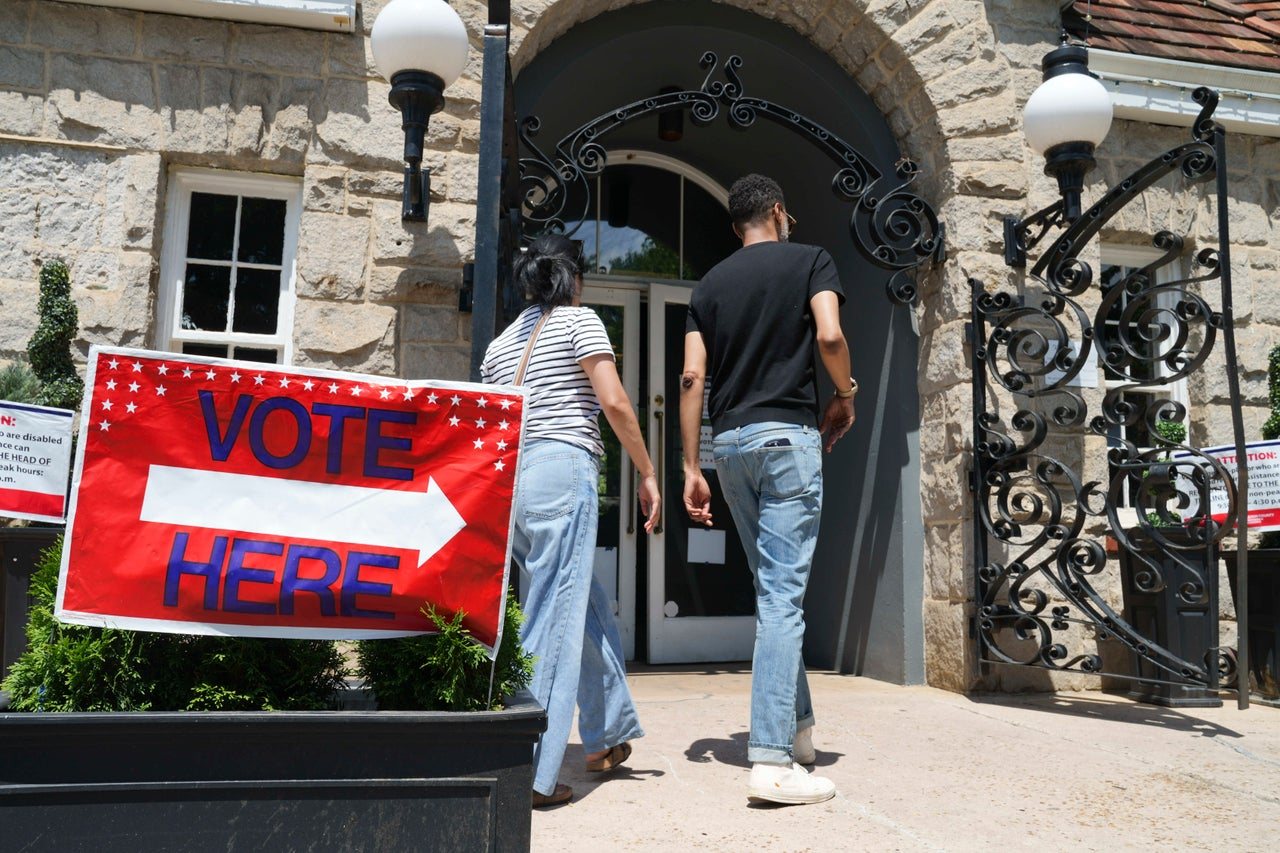
Election officials across 30 US states have received letters from the Department of Justice instructing them to preserve sensitive voter data, a move that follows 23 unsuccessful legal efforts by Donald Trump to obtain similar information. The letters, described as «threatening» by recipients, were sent to both Republican and Democratic officials, raising concerns about federal pressure on state election administration.
The demand marks a significant escalation in the ongoing dispute over voter data access. Trump and his allies have repeatedly sought detailed voter information through lawsuits, all of which have been rejected by courts. Now, the Justice Department is directly requesting that election officials retain the data, a step that critics say could lay the groundwork for future attempts to challenge election results or intimidate voters.
The letters were sent to officials in states across the country, according to reports, and have prompted alarm among election administrators from both major parties. The officials are being asked to keep sensitive information that includes voter names, addresses, and other personal details. The exact legal basis for the request remains unclear, but the timing has raised suspicions given the history of failed litigation.
Trump's legal campaign to obtain voter data has been a sustained effort, with 23 separate cases lost in court. Those losses have not deterred the push, however, as the Justice Department's intervention represents a new front in the battle. The letters have been characterised as «threatening» by some recipients, who fear that non-compliance could lead to federal action.
The development comes amid broader Republican concerns about election integrity and the potential for a «circus act» in upcoming midterm elections. Some Republicans have reportedly turned on Trump's proposal for a $5,000 voter «bribe», a plan that has been criticised as an attempt to influence electoral outcomes. The internal party pushback suggests growing unease with tactics that could undermine public confidence in the voting process.
Election officials in the affected states are now weighing how to respond. Many have expressed frustration at being drawn into a political dispute, while others worry about the precedent set by federal demands for voter data. The letters do not appear to have a clear statutory basis, according to election law experts, and could face legal challenges if officials refuse to comply.
The Justice Department has not publicly explained the purpose of the data retention request. However, the move aligns with a pattern of efforts by Trump and his allies to scrutinise voter rolls and election procedures. Courts have consistently rejected such efforts when they have been brought through lawsuits, citing lack of evidence and improper legal grounds.
State election officials are bound by strict privacy laws that govern how voter data can be used and shared. Any federal request that overrides those protections could trigger a constitutional clash over states' rights to administer their own elections. The letters have therefore intensified an already tense debate about the balance between federal oversight and state autonomy in election matters.
With midterm elections approaching, the demand for voter data retention could have significant implications for how elections are conducted and how voters perceive the integrity of the process. Officials in both parties have called for clarity from the Justice Department, warning that ambiguous directives could lead to confusion and erode trust. The situation remains fluid, and further legal action is likely as states decide how to respond.
59