
Ministers Face Hospitality Backlash Over English Tourist Tax Powers
Mayors in England will gain sweeping powers to levy taxes on hotels and short-term lets, prompting warnings of job losses and 'irreparable harm' from the hospitality industry.
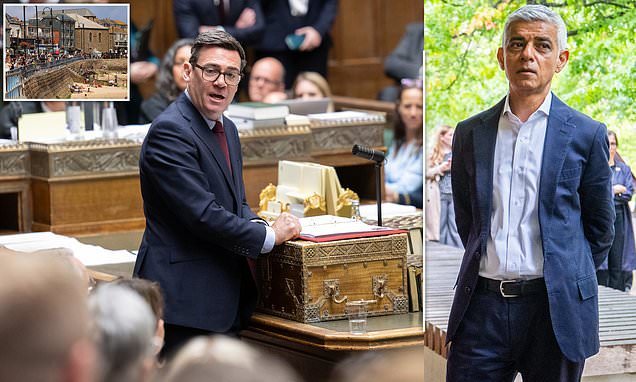
Hospitality leaders have reacted furiously to government plans that will allow mayors across England to impose a nightly levy on hotels, Airbnbs and other holiday accommodation, warning the measure risks jobs and could inflict «irreparable harm» on the sector.
The proposal, announced on Thursday by Angela Rayner, the local government secretary, hands mayors the power to introduce a «tourist tax» with no cap on the amount they can charge and few restrictions on how the revenue may be spent. The absence of a ceiling and the broad spending discretion have become the central points of contention, with opponents arguing that local leaders could set rates that deter visitors and damage an industry still recovering from recent economic shocks.
Mayors across England have largely welcomed the new authority, seeing it as a way to capture a share of the revenue generated by tourism and reinvest it in local services and infrastructure. The plan is expected to give combined authorities and metro mayors a fresh fiscal tool at a time when local budgets remain under pressure. For destination cities such as Manchester, Liverpool and London, the levy could become a significant source of funding tied directly to visitor activity.
The hospitality industry, however, has mounted a fierce counter-campaign. Trade bodies and operators argue that adding a nightly charge to bills will make the UK less competitive against European destinations and could push price-sensitive travellers towards alternatives. They also warn that the burden will fall hardest on smaller independent operators, who lack the pricing power of large hotel chains, and that the resulting decline in bookings could translate into reduced hours and job losses across the sector.
The dispute has been sharpened by the experience of European tourist hotspots, where similar levies have been in place for years. Cities and regions across the continent have added overnight charges to hotel and short-term rental bills, and British travellers have grown accustomed to paying them when holidaying abroad. Proponents of the English plan point to that precedent as evidence that a well-designed levy need not drive visitors away, and that the revenue can be used to manage the pressures tourism places on local infrastructure and public services.
Critics counter that the comparison is imperfect. They note that many European levies are modest, often capped, and frequently ring-fenced for tourism-related spending, whereas the English proposal as announced would allow mayors to set rates without a limit and to direct the proceeds with few controls. That combination, industry figures argue, creates uncertainty for operators planning investment and could lead to a patchwork of charges across the country that confuses visitors and complicates bookings.
The political dimension is also in play. The power is being extended to mayors, several of whom have already signalled enthusiasm for using it. Their support contrasts with the alarm expressed by hospitality businesses, setting up a confrontation between local leaders seeking new revenue streams and an industry that says it is being asked to shoulder an additional cost at a fragile moment. The government has presented the measure as a devolution of fiscal authority rather than a national tax, leaving the decision on whether and how much to charge to local leaders.
How the powers are implemented will now determine the scale of the fallout. If mayors move quickly to introduce levies, the industry's warnings about competitiveness and employment will be tested against actual booking data. If local leaders proceed cautiously, the revenue potential may fall short of expectations. Either way, the announcement has opened a debate about who should pay for the infrastructure and services that tourism depends on, and whether a nightly charge on visitors is a fair and effective way to fund them.
56