UK risks missing legally binding climate targets if electric car rules are weakened
Government climate advisers warn that loosening electric vehicle sales rules would probably push the UK off track for its legally binding net zero commitments.
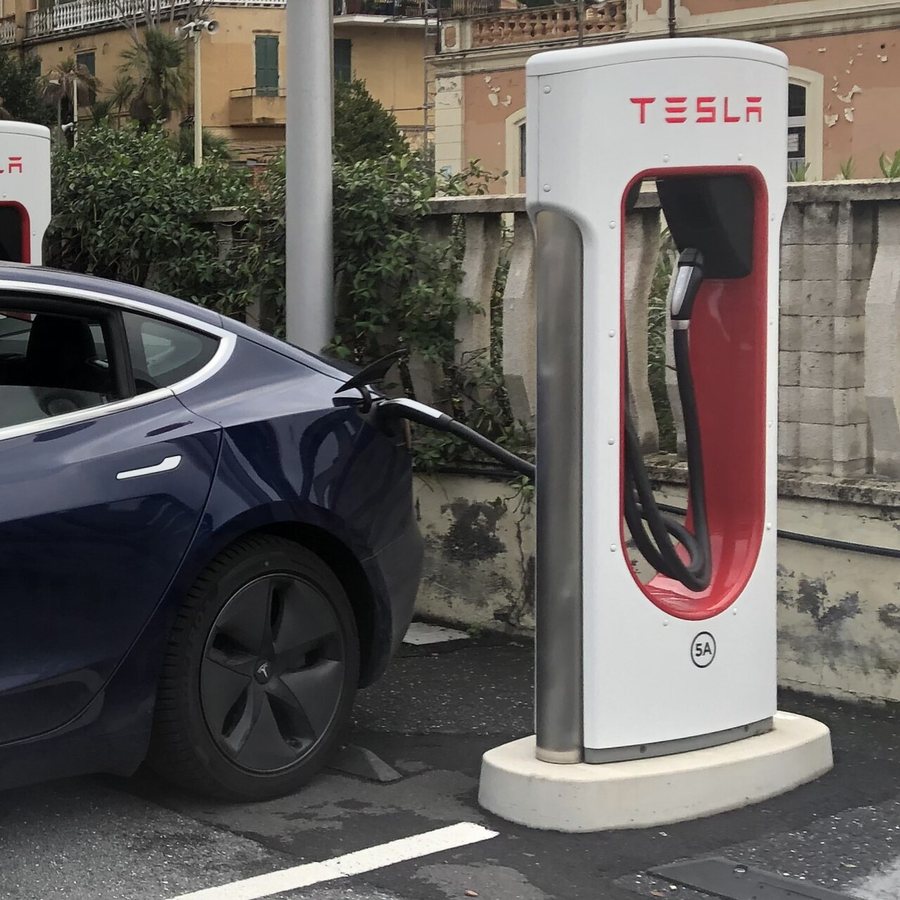
Britain could miss its legally binding climate targets if the government weakens its electric vehicle sales rules, according to advisers who track the country's progress towards net zero. Analysis by the Climate Change Committee, the independent body that monitors the government's climate commitments, suggests that a proposal to allow more petrol and diesel vehicles to be sold would undermine the plan to reach net zero carbon emissions by 2050.
The warning puts pressure on the government of Prime Minister Andy Burnham. Officials may have to consider cutting the UK's carbon budgets, the legally binding limits on greenhouse gas emissions set over five-year periods, if the vehicle policy is relaxed. Advisers have said that the mooted change would blow a hole in the existing plan, leaving the country exposed to the risk of breaching the targets it has already committed to in law.
The electric vehicle rules are central to that plan because road transport is one of the largest sources of emissions in the UK. Requirements that a rising share of new cars and vans sold be zero-emission are designed to shift the market away from petrol and diesel models well before the 2050 deadline. Analysts argue that any move to let more conventional vehicles be sold would slow that transition, reducing the emissions savings the government has been counting on.
The CCC's analysis frames the issue as one of credibility as much as technical arithmetic. Carbon budgets are not voluntary goals; they are set in law, and missing them carries political and legal consequences. The committee's concern is that a weaker sales mandate would make it harder to show that the country is on course, and could force ministers either to accept a breach or to revise targets downwards, an option that would likely draw criticism from environmental groups and some parliamentarians.
The government has not, in the material available, confirmed the precise form of any change to the electric vehicle rules, and the analysis concerns a policy that is being discussed rather than one already in force. The advisers' warning is therefore a judgement about the likely effect of that change rather than a finding about current performance. Whether ministers proceed with the proposal, and how they respond to the committee's findings, will determine whether the UK's climate commitments are kept or reworked in the months ahead.
Source: bbc.co.uk
39