
Trump floats moving White House press area to « less obnoxious location »
US President Donald Trump has suggested relocating the White House press area, describing a new spot as a « less obnoxious location ». The idea adds to his long-running criticism of the national media.
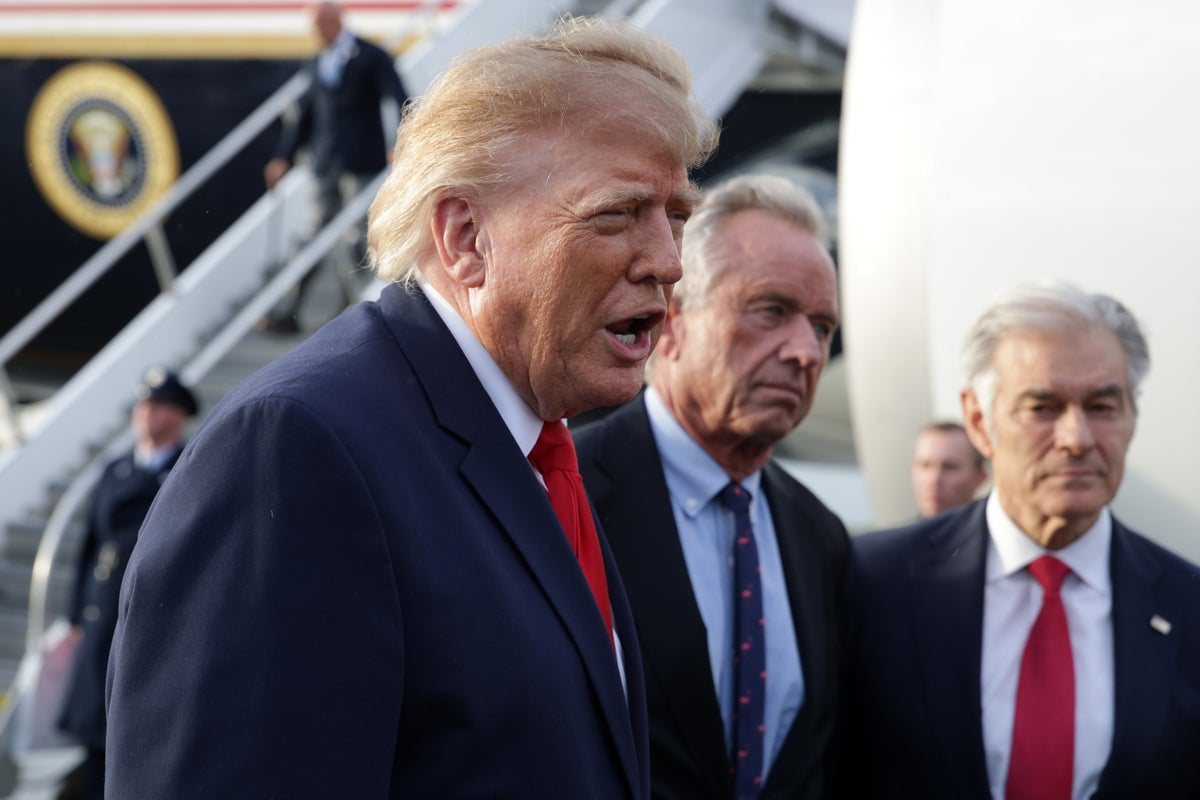
US President Donald Trump has floated the idea of moving the White House press area to what he described as a « less obnoxious location », a remark that adds a new dimension to his continuing clashes with the American news media.
The proposal fits a pattern in which Trump has repeatedly criticised US media outlets, accusing them of biased coverage of his administration. Relocating the press area would change where reporters work and gather inside the executive complex, a space that has long been central to daily contact between the White House and the journalists who cover it. The source material does not specify where the press area might be moved, nor does it describe the design or size of any alternative space.
Trump's criticism of the press has been a constant feature of his public messaging, both during his first term and since his return to office. He has frequently singled out outlets he views as hostile, and has at times urged officials and supporters to reject coverage he considers unfair. The suggestion to change the physical layout of the press space extends that confrontation from rhetoric into the arrangement of the building itself, a step that moves the dispute from commentary into the practical organisation of the presidential workplace.
The remark also raises questions about access and the working conditions of the White House press corps. The briefing room and adjoining workspaces are where reporters file stories, question officials and monitor events as they unfold. Any move would alter how they operate on a daily basis, including their proximity to the press office and to the spokespeople who brief them. Press organisations have traditionally pressed for that proximity, arguing that accessibility is essential to independent reporting and to holding officials to account.
Trump's wording, describing the current location as « obnoxious », reflects his frequent use of blunt language about journalists. Such phrasing tends to attract attention because it signals personal displeasure rather than a stated administrative rationale. The available material offers no official explanation beyond the remark itself, and it does not indicate whether the idea has been formally discussed by staff or approved in any way.
The report does not indicate a formal decision, a timeline or a specific alternative site, and it remains unclear whether the idea will progress beyond the stage of a public comment. Until any concrete step is taken, the proposal stands as a statement of intent rather than a policy change.
For readers following the relationship between government and the press, the episode highlights how the physical and institutional arrangements of the White House can become part of a wider political dispute over media scrutiny. Any concrete change would likely draw attention from reporters, lawmakers and press freedom advocates, who monitor how access to the executive branch is structured and who may be expected to respond to any decision that affects it.
6