El Niño could push up UK food and borrowing costs in 2027, Bank of England warns
The Bank of England has identified the El Niño weather pattern as a key factor that could drive food inflation in 2027, with knock-on effects for household bills and borrowing.
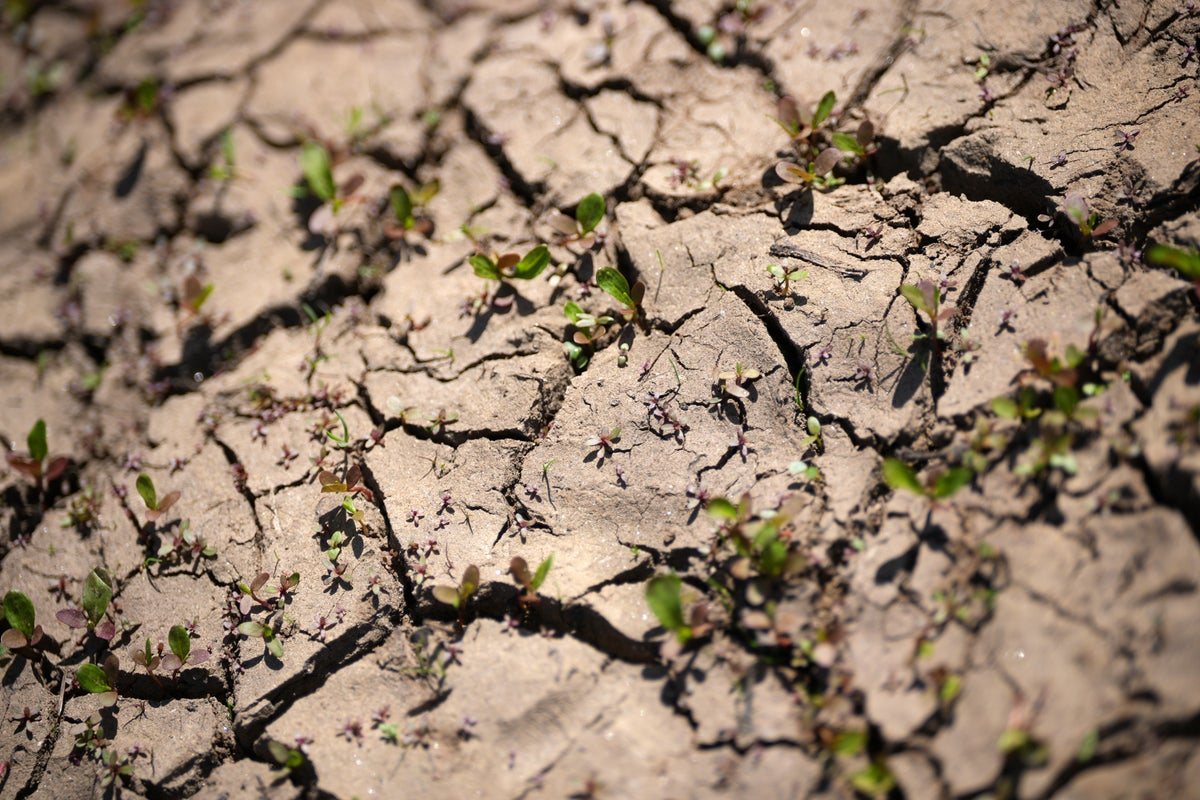
The Bank of England has identified the El Niño weather pattern as a key factor that could push up food inflation in 2027, a development that could feed through to supermarket bills and, indirectly, to the cost of borrowing for households across the UK.
El Niño is a periodic warming of surface waters in the central and eastern Pacific Ocean that alters global weather patterns. Its effects can include drought in some regions and heavy rainfall in others, disrupting harvests and farm output far from the Pacific itself. When crops fail or yields fall, supply tightens, and food prices tend to rise. The Bank's identification of the phenomenon as a risk to food inflation reflects the way climate shocks can travel through global commodity markets into domestic price indices.
For UK consumers, the most direct channel is the grocery bill. Food prices are a large and visible part of household spending, and sustained rises in them can erode real incomes quickly, particularly for lower-income families who spend a bigger share of their budgets on essentials. A weather-driven spike in agricultural prices would therefore land first at the supermarket till before it appeared in broader inflation figures.
The concern extends beyond food. Inflation shapes the path of interest rates, and the central bank sets its policy with the aim of keeping price growth near its target. If food inflation proves persistent, it can complicate that task, potentially keeping borrowing costs higher for longer. That in turn affects mortgage rates, which determine monthly repayments for millions of homeowners and prospective buyers. The link is indirect and depends on how other price pressures evolve, but it is the reason a weather event in the Pacific can matter to a household deciding on a fixed-rate deal.
The Bank's flagging of El Niño as a 2027 risk places the issue within a longer planning horizon rather than an immediate forecast. Policymakers routinely assess external shocks, including climate-related ones, when judging the outlook for inflation. The warning serves as an early signal that the timing and scale of any impact remain uncertain, and that the effects would depend on the strength of the event and how markets and producers respond.
Taken together, the Bank's comments underline how a natural climate cycle thousands of miles away can influence the cost of a weekly food shop and the terms of a home loan in Britain. For readers, the practical takeaway is that food prices and borrowing costs are both sensitive to global weather, and that households may face pressure on both fronts if the forecast risk materialises.
3