
Trump Approval Rating Falls to Record Low of 32% a Month Before Midterms
A new Reuters/Ipsos poll puts Donald Trump's approval at a record-low 32%, with losses among independent and Latino voters who backed him in 2024, threatening Republican prospects in the midterm elections.
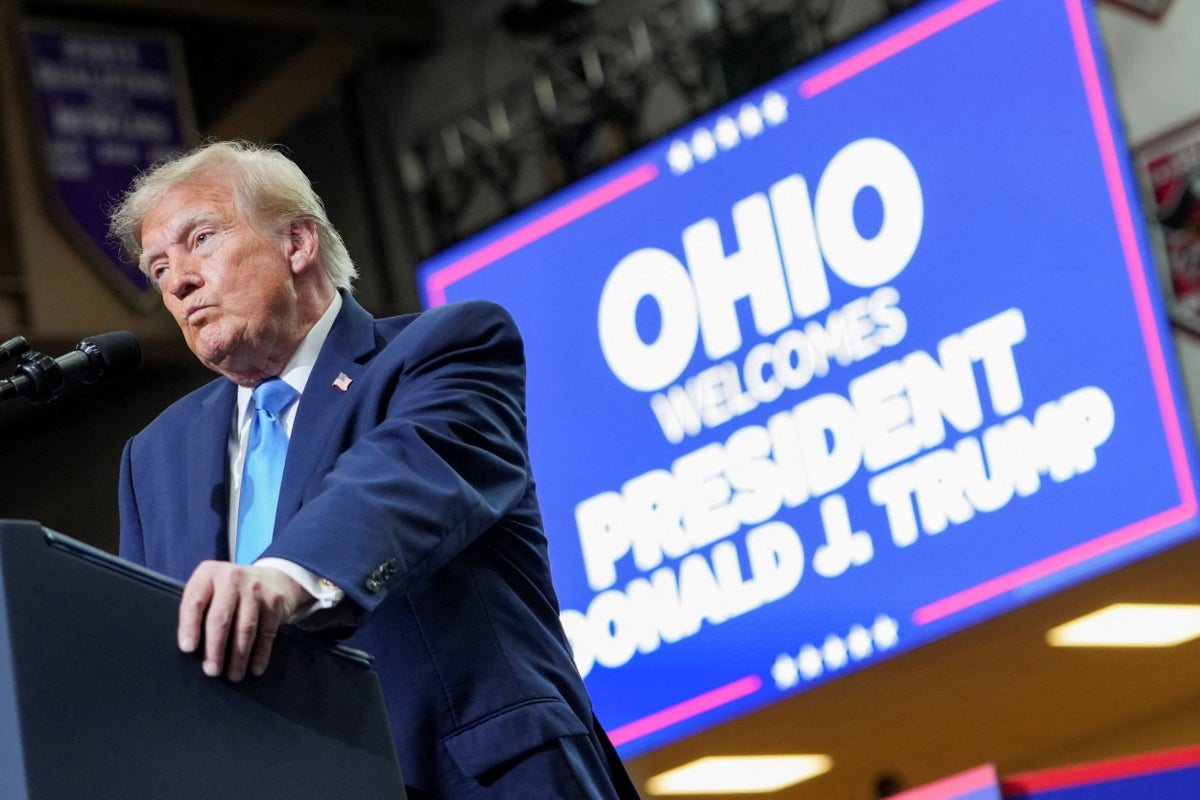
Donald Trump's approval rating has fallen to a record low of 32%, according to a new Reuters/Ipsos poll, with the president losing support among independent voters and Latinos who had backed him in 2024. The decline comes roughly a month before midterm elections that will determine control of Congress, and it could prove damaging for Republican candidates across the country.
The president dismissed the findings, saying «I'm doing great» despite the polling numbers. The survey marks the lowest approval figure recorded for Trump in the Reuters/Ipsos series, and the erosion of support among two groups that were central to his 2024 coalition has alarmed party strategists as the campaign enters its final weeks.
Trump has sought to counter unfavourable polling by promoting right-leaning polling outfits, but his Republican allies have not uniformly followed that approach. The gap between the president's public confidence and the numbers being reported by major pollsters has become a point of tension within the party as candidates weigh how closely to align themselves with the White House.
The timing is particularly sensitive. Midterm elections typically serve as a referendum on the sitting president, and a commander-in-chief below 40% approval is historically a drag on his party's candidates. With control of both chambers of Congress at stake, even modest shifts among independents and Latino voters in competitive districts could determine whether Republicans hold their majorities.
Trump's response to the coverage has included attempts to restrict press access. He tried to ban CNN, MS NOW and Politico from the White House over what he described as unfavourable reporting, but a judge ordered that their access be restored. At a campaign rally in Nebraska, the president spent much of his remarks complaining about how he is treated by the media rather than focusing on the legislative record Republicans are defending.
The combination of record-low approval, defections from key voter groups and a confrontational posture toward the press has left Republican candidates in an awkward position. Some have distanced themselves from the president's messaging, while others continue to rely on his base to turn out. The Reuters/Ipsos poll suggests that the coalition that delivered Trump the White House two years ago is not holding together at the same strength.
Independent voters, who often decide close races, have moved away from the president, and the loss of Latino support is notable given the gains Republicans made with that demographic in 2024. If those trends persist through election day, they could reshape the political map in states and districts where margins are narrow.
For now, the White House is projecting confidence while the polling data points in the opposite direction. The next month will test whether the president's rally-based strategy can reverse the slide or whether the numbers will translate into losses for his party at the ballot box.
7