Stormont minister pledges no rolling back on climate action after record summer
Northern Ireland's Agriculture and Environment Minister Andrew Muir has reaffirmed his commitment to climate action, telling a Dublin conference there can be no retreat despite a record hot summer.
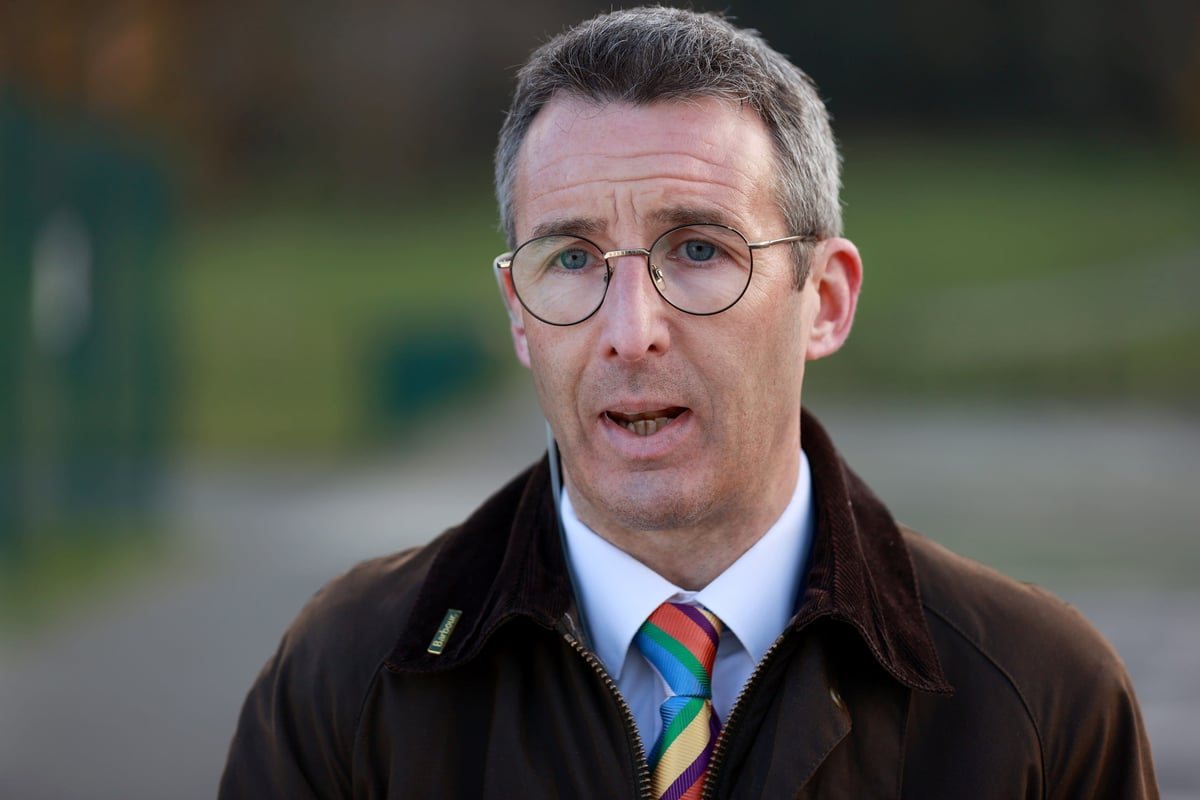
Northern Ireland's Agriculture and Environment Minister Andrew Muir has insisted there can be «no rolling back» on climate action, delivering the message at a conference in Dublin following a summer of record-breaking temperatures. His remarks come as governments across the UK and Ireland face mounting pressure to balance environmental commitments against economic and agricultural concerns.
Muir, a member of the Stormont Executive, used the platform to underline the continued importance of environmental policy within the region's devolved administration. The minister's address signals that climate measures remain a priority for the Northern Ireland Executive even as public discourse increasingly focuses on the practical costs of transition and the impact on farming communities.
The conference appearance follows what meteorological data has confirmed as an exceptionally hot summer, a development that has sharpened debate over the pace and scale of climate response. While the minister acknowledged the challenges posed by the season's extremes, he framed the record heat as evidence of why sustained action is necessary rather than a reason to pause or dilute existing commitments.
Muir's portfolio places him at the centre of some of the most sensitive environmental questions in Northern Ireland, including agricultural emissions, land use, and the region's obligations under both UK-wide and international climate frameworks. Agriculture remains a significant part of the Northern Irish economy, and policy decisions in this area carry substantial political weight within the farming sector.
The Dublin conference provided an opportunity for cross-border dialogue on environmental strategy, reflecting the shared challenges faced by the UK and Irish governments in meeting emissions targets. Muir's insistence on continuity suggests that Stormont intends to maintain its current trajectory on climate policy despite potential friction with sectoral interests.
His statement also carries implications for the broader political landscape, as climate action continues to be a dividing line in debates over regulation, energy policy, and rural development. By reaffirming his position publicly, Muir has signalled that the Executive's environmental agenda will not be softened in response to seasonal anomalies or short-term political pressures.
The minister's remarks stop short of announcing new measures, but they serve to clarify the administration's stance ahead of what is likely to be a contentious period of policy implementation. Observers will watch whether this rhetorical commitment translates into concrete legislative or regulatory steps in the coming months.
For now, the message from Stormont is one of continuity: the record summer is treated not as a challenge to climate policy but as confirmation of its necessity. Whether that position holds as the political and economic costs of transition become more visible remains an open question for Northern Ireland's devolved government.
60