
Scottish Labour leader Michael Marra backs Rosebank and Jackdaw oilfields
Michael Marra wins Scottish Labour leadership with nearly two-thirds of the vote and immediately backs North Sea oil and gas development, calling for a more rational energy policy.
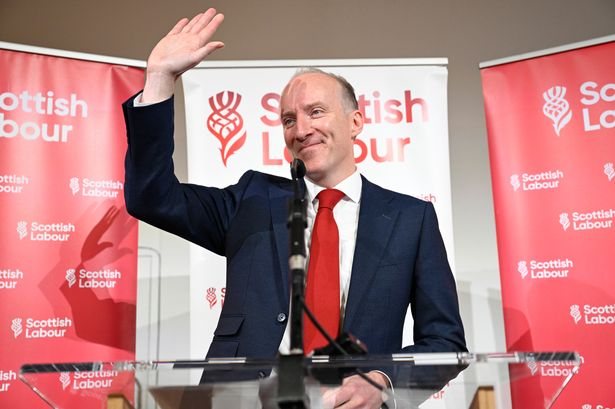
Michael Marra has been elected leader of Scottish Labour and used his first act in the role to back the development of the Rosebank and Jackdaw oil and gasfields in the North Sea, arguing for what he called a «more rational» approach to energy policy.
The MSP for North East Scotland won a near two-thirds majority in the contest to lead the party at Holyrood, becoming Scottish Labour's 11th leader. He defeated rival Joe Fagan by 4,266 votes to 2,485. In his acceptance remarks he described his election as a «singular honour».
Marra replaces Anas Sarwar, who resigned unexpectedly in July to join Andy Burnham's new government as a trade minister. The handover comes at a difficult moment for Scottish Labour, which lost its fifth consecutive Holyrood election in May and recorded its worst result in the history of devolution.
The new leader now faces the task of turning the party around while setting out a distinct energy position. His support for Rosebank and Jackdaw places him at odds with environmental campaigners and some within his own party who have opposed new North Sea licensing. By framing the issue around a «more rational» approach, Marra appears to be signalling that Scottish Labour will not simply adopt a blanket opposition to fossil fuel extraction.
The two fields are among the most contested developments in the UK's offshore energy sector. Rosebank, west of Shetland, is one of the largest untapped oilfields in British waters, while Jackdaw is a gasfield in the central North Sea. Both have been the subject of legal and political battles over their climate impact and their contribution to energy security.
Marra's stance is likely to intensify debate within Scottish Labour about how to balance the transition to renewable energy with the jobs and investment that depend on the oil and gas industry, particularly in the north-east of Scotland. As the MSP for North East Scotland, he represents a region where the sector remains a major employer and where any move to curtail development is politically sensitive.
The leadership result also carries implications for Scottish Labour's relationship with the UK-wide party. Sarwar's departure to join Burnham's government removed a familiar figure from the Holyrood stage, and Marra must now establish his own authority while managing internal expectations after a string of electoral setbacks.
His majority in the leadership vote gives him a clear mandate, but the wider challenge remains. Scottish Labour has not won a Holyrood election since devolution began, and the party's support has been eroded by the SNP and, more recently, by a resurgent Conservative vote in some areas. Rebuilding will require both organisational renewal and a policy offer that resonates beyond the party's traditional heartlands.
Energy is likely to be one of the sharpest tests of that offer. The UK government has faced pressure to approve new oil and gas fields while also meeting climate targets, and the Scottish government has taken a more restrictive approach to licensing. Marra's intervention suggests he wants to position Scottish Labour as a party that supports domestic production alongside the transition, rather than one that opposes it outright.
Whether that position can unite the party and win back voters will become clearer in the months ahead. For now, Marra has made his first significant policy statement, and it points towards a more pragmatic, industry-friendly stance on North Sea energy than some in his party might have expected.