Sadiq Khan receives sweeping new tax powers in Budget 2026
Chancellor's Budget hands London mayor Sadiq Khan fiscal devolution powers that could fund a major overhaul of the capital's transport network.
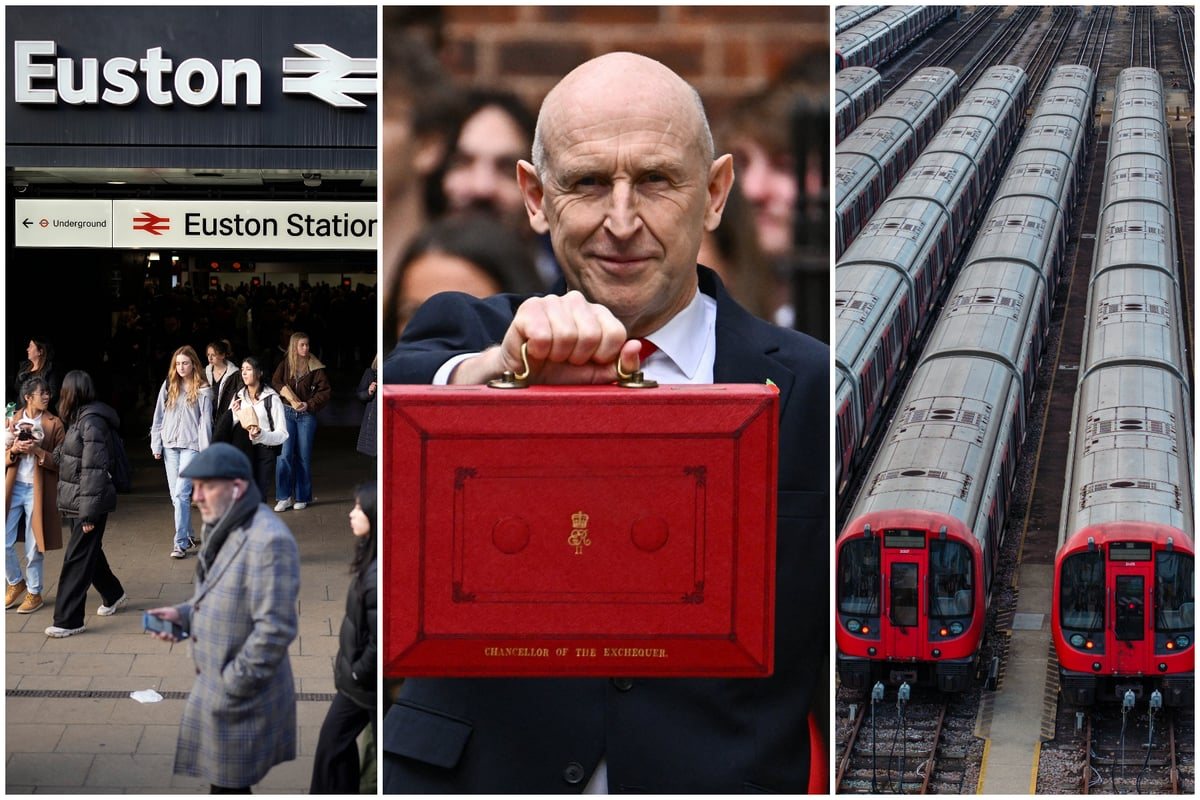
London mayor Sadiq Khan has been granted sweeping new tax powers in the Budget 2026, a move that could give City Hall far greater control over how it raises and spends money on transport. The package of fiscal devolution is designed to fund a substantial overhaul of London's transport network and, according to the Standard's political coverage, is expected to make Khan one of the most powerful mayors in Europe.
The measures represent a significant shift in how the capital is financed. Until now, London's transport system has relied heavily on fares, central government grants and borrowing approved by Westminster. Giving the mayor direct access to tax levers allows London to raise revenue locally and to plan long-term investment without depending entirely on the annual decisions of national government. The Standard's headline framing, which describes the powers as enabling a transport revolution, points to the scale of change the mayor's office is expected to pursue.
The Budget is part of a longer debate about devolution in England, in which cities and regions have pressed for more control over their own finances. Supporters of the approach argue that local leaders understand their own transport needs better than Whitehall and can plan investment across several years. Critics of centralised funding have argued that the capital's network, including the London Underground, needs a more stable and predictable funding base than it has enjoyed in recent years. The fiscal powers are intended to address that concern by giving the mayor a revenue stream that does not rely on year-to-year Treasury settlements.
The shift also raises questions about accountability and the balance of power between City Hall and central government. Granting a mayor authority over taxation places significant responsibility on the Greater London Authority to justify its decisions to Londoners, who would bear any new charges. The Standard's coverage presents the change as a potential turning point for the city, but the practical impact will depend on how the powers are defined, how quickly they are put into effect and how they are used once in place.
What is clear from the Budget announcement is that the government has chosen to place tax-raising authority with the Mayor of London rather than retaining it entirely at national level. Whether that choice delivers the transport transformation its supporters expect will become apparent as the detailed mechanics of the powers are set out.
5