
Labour reports Reform UK to police over alleged US funding breach
Labour has reported Nigel Farage's Reform UK party to the police over claims it took payment from an American firm for polling it commissioned, in a potential breach of electoral funding rules.
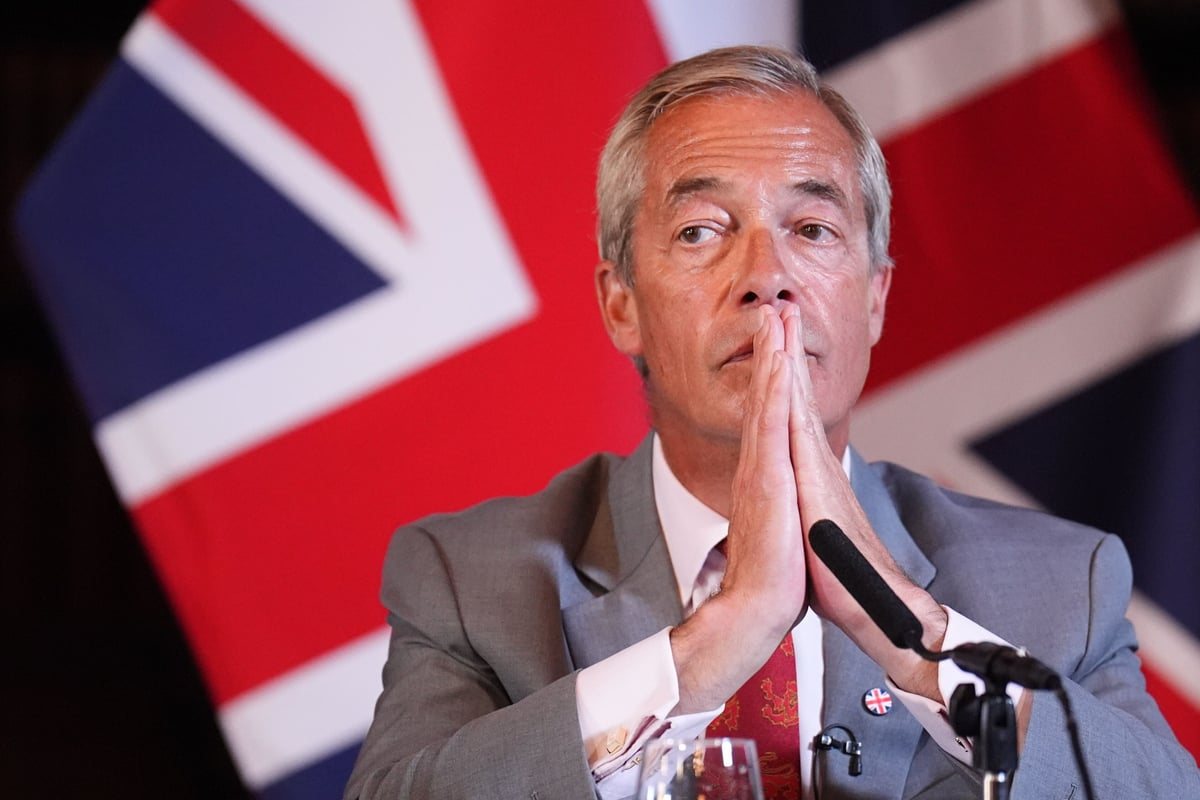
Labour has reported Nigel Farage's Reform UK party to the police over allegations that it breached political funding rules by taking payment from an American company for polling it commissioned. The move follows a Channel 4 News investigation which reported that Reform received £32,500 from a US-based firm for three polls conducted earlier this year. Under UK electoral law, political parties are prohibited from accepting funding from foreign sources, and donations must come from permissible entities registered within the country.
The allegations centre on claims that the payment was routed through an American front organisation, raising questions about whether the true source of the money was deliberately obscured. Labour has characterised the matter as a funding scandal and has formally referred it to the Metropolitan Police, as well as to the Electoral Commission, which regulates party finances in Britain. The referral adds fresh pressure on Reform UK, which has positioned itself as a champion of stricter immigration controls and tougher national sovereignty rules, just months before a general election campaign is expected to intensify.
Reform UK, led by Farage, has denied any wrongdoing. A party spokesperson rejected the accusations and suggested the referral was politically motivated, pointing to Labour's own history of donation controversies. The party has not yet published the full details of its arrangement with the American firm, but the investigation has already prompted renewed scrutiny of how smaller parties fund their campaign operations and whether existing rules are being adequately enforced.
The Electoral Commission has previously warned that foreign funding of political parties undermines public confidence in the integrity of the democratic process. Under the Political Parties, Elections and Referendums Act 2000, any donation of more than £500 must come from a permissible source, which includes individuals registered to vote in the UK and UK-based companies. Accepting money from overseas entities is a criminal offence, and parties found guilty can face fines, forfeiture of the funds, or prosecution of responsible officers.
The timing of the referral is significant, as all major parties are already preparing for a national vote. Labour's decision to escalate the matter to law enforcement suggests it intends to keep the issue at the forefront of political debate, framing it as a question of whether Reform can be trusted to abide by the same rules as its competitors. Farage, who has repeatedly attacked the political establishment and called for sweeping changes to Britain's electoral system, now finds himself on the defensive over his own party's financial practices.
The Metropolitan Police will now decide whether to open a formal investigation into the allegations. Any such inquiry would examine the nature of the payments, the identity of the individuals involved, and whether there is sufficient evidence to suggest a deliberate attempt to circumvent the law. The Electoral Commission is also expected to conduct its own review of the matter, which could result in sanctions even if criminal proceedings are not pursued.
Reform UK has insisted that it acted within the rules and has called for the full details of the arrangement to be made public to clear its name. However, the party has so far declined to confirm whether it will return the money or sever ties with the American firm in question. The controversy adds another layer of uncertainty to an already volatile political landscape, in which Reform has sought to position itself as a credible alternative to both the Conservatives and Labour.
51