
Judge blocks Trump order restricting birthright citizenship for newborns
A US judge has blocked the latest Trump administration attempt to restrict birthright citizenship, ruling that new 'carveouts' to limit citizenship for newborns are 'almost certainly unconstitutional.'
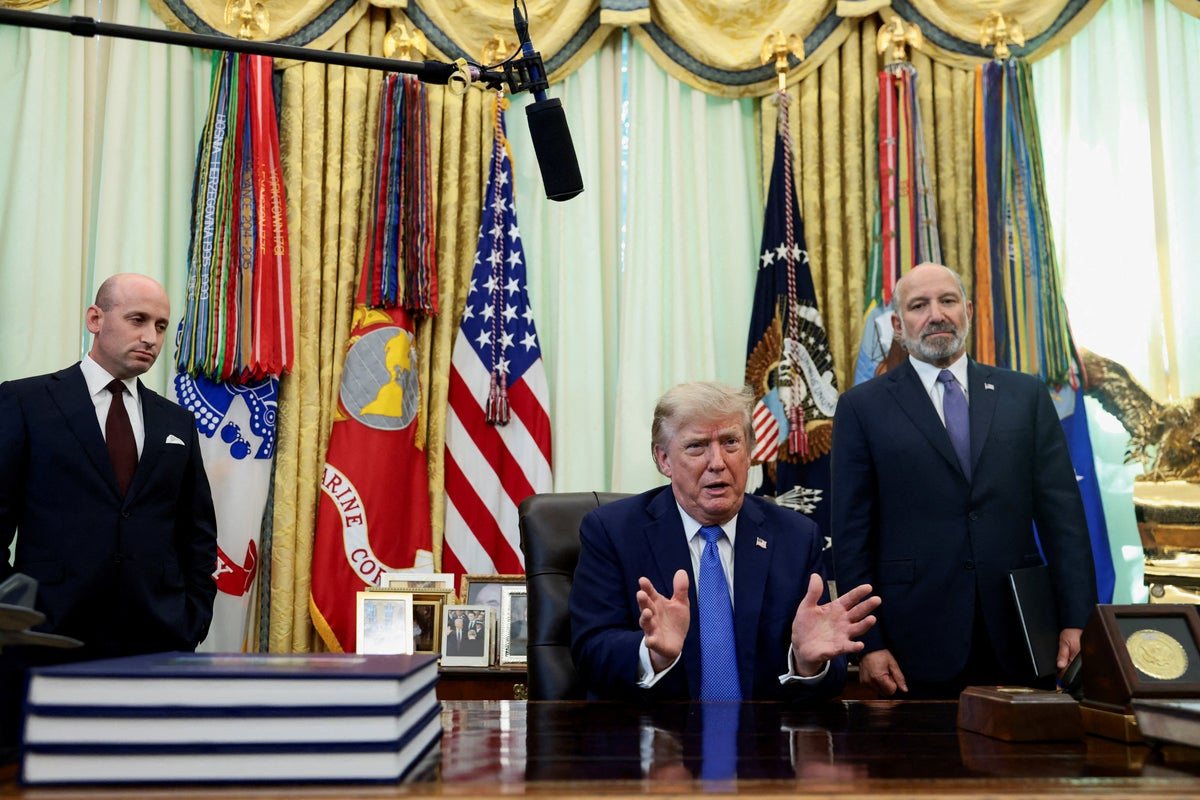
A federal judge has dealt another setback to President Donald Trump's efforts to end birthright citizenship in the United States, blocking the administration's latest attempt to restrict automatic citizenship for newborns. The ruling describes the new measures as «almost certainly unconstitutional,» marking the latest legal defeat for the White House on one of its signature immigration policies.
The decision targets a revised executive order that sought to introduce specific exceptions, or «carveouts,» to the long-standing constitutional principle that anyone born on US soil is entitled to citizenship. The judge determined that these new limitations still conflict with the 14th Amendment of the US Constitution, which guarantees citizenship to all persons born or naturalised in the country and subject to its jurisdiction.
This is not the first time the courts have intervened. Earlier attempts by the administration to narrow birthright citizenship through executive action were also blocked by judges who cited the same constitutional protections. The latest ruling reinforces a consistent judicial pattern: presidential authority does not extend to rewriting the Constitution's citizenship clause through executive orders, regardless of how the policy is framed.
The legal battle centres on the interpretation of the 14th Amendment, which was adopted after the American Civil War to ensure that formerly enslaved people and their descendants were recognised as citizens. Legal scholars and civil rights organisations have long argued that the amendment's language is unambiguous and that any change to birthright citizenship would require a constitutional amendment, not an executive order or new federal regulation.
Supporters of the administration's policy argue that the current interpretation encourages undocumented immigration and allows individuals who are not legally present in the country to secure citizenship for their children. They contend that the original intent of the 14th Amendment did not extend to the children of undocumented migrants and that the executive branch has the authority to clarify the law.
Opponents, including immigrant advocacy groups and state attorneys general who have filed lawsuits against the order, maintain that the policy is a direct assault on constitutional rights. They argue that birthright citizenship is a foundational element of American identity and that restricting it would create a permanent class of stateless children, denied the rights and protections enjoyed by their peers.
The ruling adds to a growing list of legal obstacles facing the administration's immigration agenda. Several other executive actions on border security and asylum policy have also been challenged in federal courts, with mixed results. The administration has signalled that it will appeal this latest decision, setting the stage for a prolonged legal fight that could ultimately reach the Supreme Court.
The practical consequences of the policy, had it been allowed to stand, would have been significant. Children born in the United States to undocumented parents would have been denied Social Security numbers, passports and other documents tied to citizenship. Hospitals and state agencies would have faced the burden of verifying the immigration status of parents, a task for which most are not equipped.
For now, the status quo remains in place: any child born on American soil is a US citizen at birth. But the repeated attempts by the administration to change this principle through executive action suggest that the issue will remain a flashpoint in American politics and law for the foreseeable future.
54