
Judge blocks Trump-era USPS rules for mail-in ballots weeks before midterms
A federal judge has blocked new US Postal Service rules introduced under Donald Trump that election officials warned could disenfranchise thousands of mail-in voters with the midterm elections only weeks away.
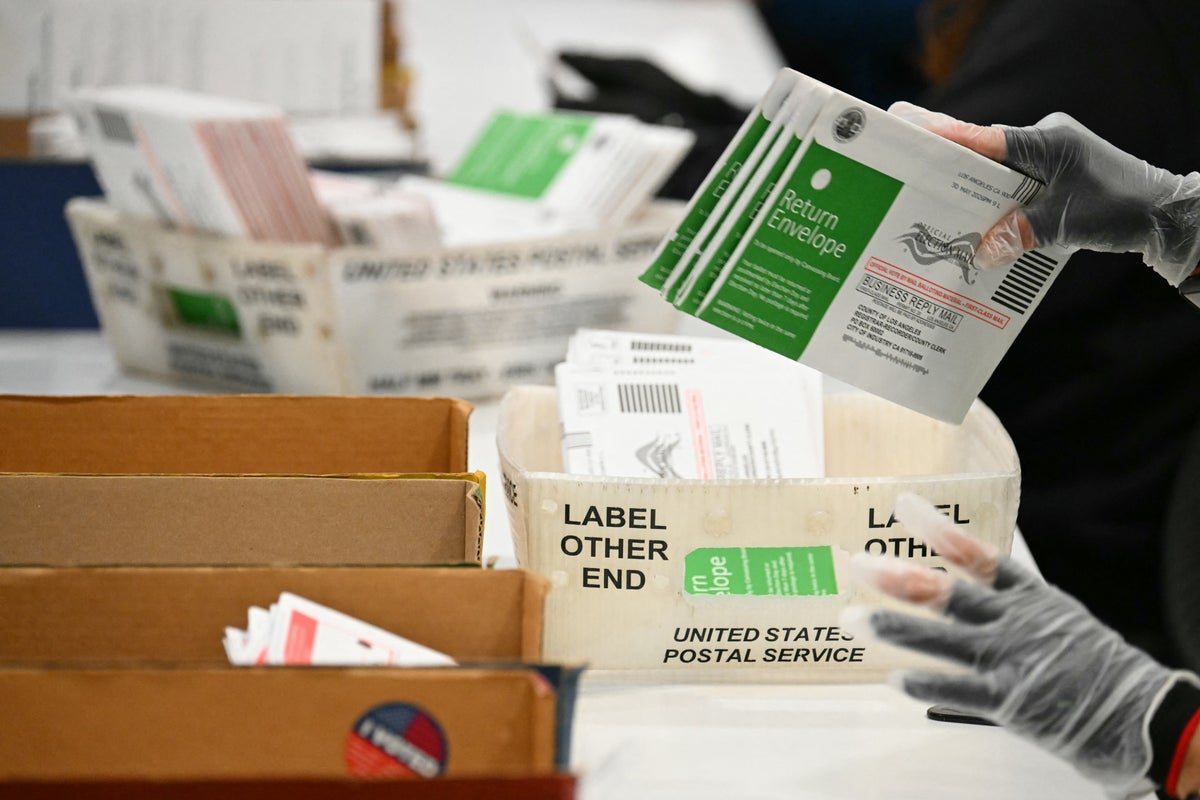
A federal judge has blocked new rules imposed on the US Postal Service under Donald Trump that governed the handling of mail-in ballots, a decision that arrives with only weeks remaining before the midterm elections. Election officials had warned that the regulations risked wrongly disenfranchising thousands of eligible voters who choose to cast their ballots by post.
The ruling halts the implementation of the USPS changes, which critics argued would slow the delivery of ballots and place an undue burden on voters in an election cycle already marked by intense scrutiny of voting procedures. The judge's decision effectively restores previous practices for processing election mail, offering a measure of stability to election administrators preparing for the November vote.
The blocked rules had become a flashpoint in the broader debate over mail-in voting, a method that expanded significantly in recent election cycles. Supporters of the restrictions framed them as necessary measures to ensure the integrity of the postal system and prevent fraud, while opponents contended that they served no legitimate purpose other than to suppress turnout among voters who rely on absentee ballots.
Election officials across several states had expressed growing concern in the weeks leading up to the ruling, noting that changes to postal procedures so close to an election could create confusion and lead to ballots arriving after certification deadlines. The timing of the decision is considered critical, as many states have already begun distributing ballots to voters who requested them, and postal workers are preparing for a surge in election-related mail.
Legal challenges to the USPS rules were brought by voting rights advocates and state officials who argued that the postal service overstepped its authority by altering procedures without adequate public notice or justification. The court agreed that the changes posed a significant risk of harm to voters, particularly those in rural areas or communities with limited access to alternative voting methods.
The ruling is the latest development in a series of legal battles over election administration that have unfolded across the country. Courts have repeatedly intervened in disputes over ballot deadlines, drop-box locations, and signature verification requirements, reflecting the heightened partisan tension surrounding how elections are conducted.
For postal workers, the decision means returning to the operational guidelines that were in place before the contested rules took effect. Union representatives had cautioned that the new procedures were impractical and could overwhelm local post offices during the peak election season, when the volume of mail increases substantially.
The midterm elections will determine control of Congress, with all seats in the House of Representatives and a third of the Senate up for grabs. Control of numerous state governorships and legislatures is also at stake, making the efficient processing of every valid ballot a matter of national significance.
Voting rights organisations welcomed the ruling as a protective measure for the franchise, while conservative groups that had backed the USPS changes signalled that further appeals were possible. Legal experts noted that any appeal would need to be resolved swiftly to have any practical effect on the upcoming vote, given the compressed timeline before election day.
The US Postal Service has stated that it remains committed to delivering election mail in a timely manner, and the agency is expected to issue updated guidance to its employees in light of the court's order. Election officials, meanwhile, are urging voters to request and return their ballots as early as possible to avoid any last-minute complications.
62