
Heathrow expansion would make UK ‘overshoot’ climate targets, report suggests
New modelling indicates the UK aviation industry is already forecast to exceed limits in the seventh carbon budget, even before a third runway at Heathrow is built.
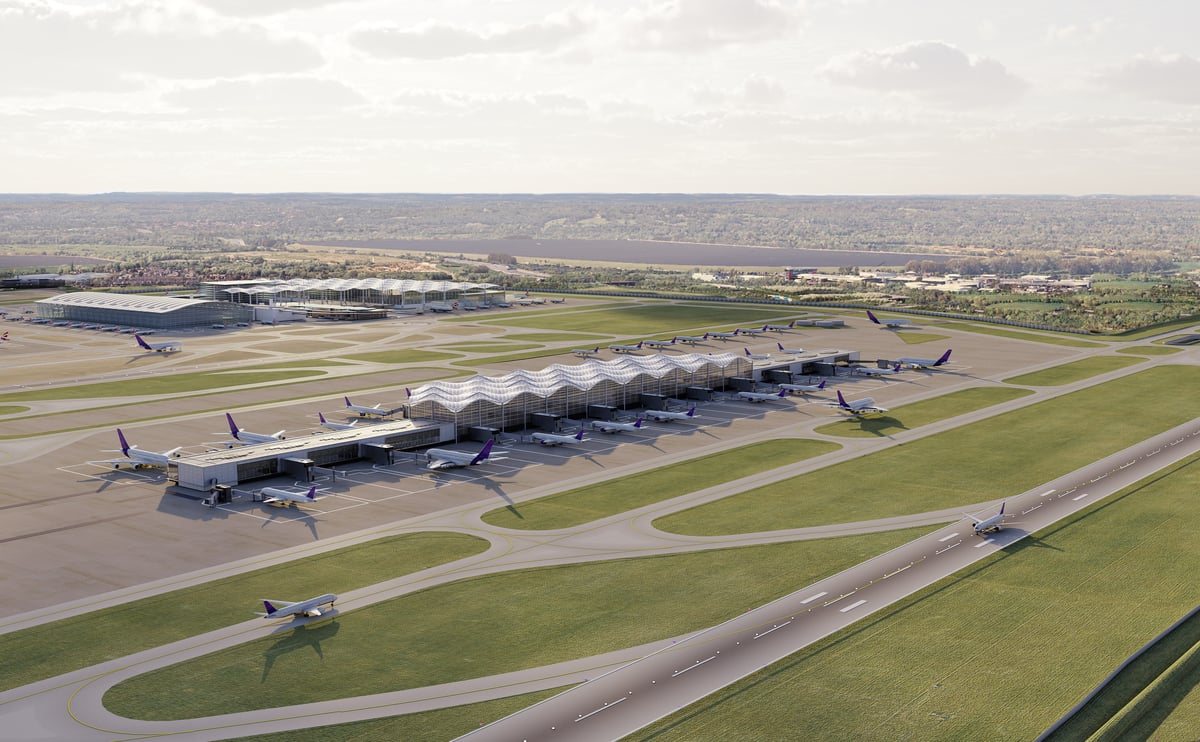
New modelling suggests that expanding Heathrow Airport would push the United Kingdom beyond its legally binding climate targets, even as the aviation sector is already projected to overshoot its permitted emissions. The analysis, focused on the proposed third runway, indicates that the UK aviation industry is forecast to exceed the limits set in the seventh carbon budget before any new infrastructure is even constructed.
The findings add fresh pressure on the government as it weighs a decision on Heathrow expansion, a project that has divided politicians, environmental campaigners, and business leaders for years. According to the report, the additional capacity created by a third runway would make it significantly harder for the country to meet its obligations under the Climate Change Act, which requires the UK to cut greenhouse gas emissions to net zero by 2050.
The seventh carbon budget, which covers the period from 2038 to 2042, was designed to keep the UK on track for its long-term climate goals. The new modelling warns that aviation demand is already growing faster than the efficiency improvements and sustainable fuel uptake that were assumed when the budget was set. Adding a third runway at Heathrow, the UK’s busiest airport, would lock in higher emissions for decades, the report argues.
Supporters of the expansion have long argued that a new runway is essential for maintaining the UK’s status as a global aviation hub, boosting trade links, and creating jobs. They point to commitments from airlines to use cleaner fuels and more efficient aircraft as evidence that growth can be reconciled with climate targets. Heathrow has previously stated that it intends to achieve net zero operations by the mid-2030s and that expansion would be delivered within carbon limits.
However, environmental groups and climate advisers have repeatedly challenged those claims, noting that aviation emissions have proven difficult to decarbonise. Sustainable aviation fuel remains expensive and is produced in limited quantities, while the potential for efficiency gains from new aircraft is offset by rising passenger numbers. The new report suggests that even under optimistic assumptions about technology take-up, the sector would struggle to stay within its carbon budget.
The timing of the report is significant. The government has signalled that it is prepared to back airport expansion as part of its growth agenda, with ministers arguing that economic development and environmental protection are not mutually exclusive. A final decision on the Heathrow third runway has been delayed several times over the past decade, caught between legal challenges, changing political leadership, and shifting public opinion.
The issue also carries electoral weight. Constituencies around Heathrow have seen vocal campaigns on both sides, with some residents opposing the expansion over noise and air pollution, while others support the jobs and economic activity it would bring. The new modelling is likely to intensify the debate, giving opponents fresh evidence to cite in their efforts to block the project.
For now, the report adds to a growing body of research suggesting that the UK’s climate commitments and its aviation expansion ambitions are on a collision course. The government has yet to respond formally to the findings, but the analysis is expected to feature prominently in the upcoming consultation process on airport policy. With the seventh carbon budget already set in law, the question is whether ministers will choose to revise aviation forecasts, tighten emissions rules, or allow the sector to overshoot its limits and rely on other parts of the economy to compensate.
53