Egyptian court begins trial of independent news editor Lina Attalah
Lina Attalah, editor of the independent Egyptian news outlet Mada Masr, has gone on trial as press freedom groups warn that media repression in Egypt is intensifying.
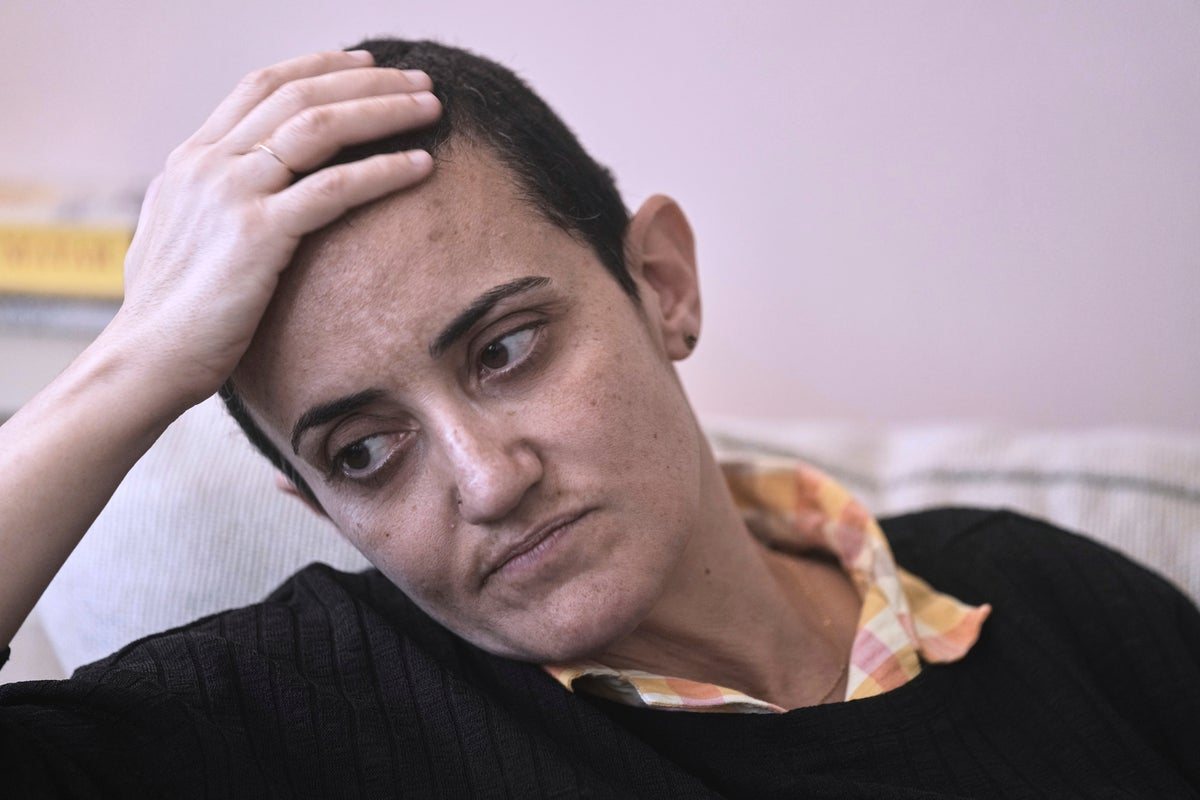
Lina Attalah, the editor of the independent Egyptian news outlet Mada Masr, has gone on trial as concerns grow over the shrinking space for independent journalism in Egypt. The proceedings add to a growing list of legal cases against reporters and editors who cover politics, the economy and human rights outside the framework of state-aligned media.
Attalah only learned of a previous in absentia sentence against her when she was convicted on 27 October in a separate case. The discovery underlined the difficulty faced by journalists who are prosecuted without being notified in time to defend themselves, and it raised questions about how many similar judgments may have been handed down without the defendants' knowledge. For a journalist working in the public eye, learning of a conviction only after it has been issued leaves little opportunity to contest the charges before a court.
Press freedom advocates say the trial reflects a broader pattern of pressure on the independent press in Egypt. Authorities have repeatedly used criminal charges, including accusations linked to spreading false news and belonging to unauthorised groups, to target journalists, and independent outlets have faced blocking, funding constraints and restrictions on their work. Rights organisations argue that such measures leave little room for critical reporting and push editorial teams toward self-censorship, particularly when reporters are aware that their published work may become the basis of a new prosecution.
Mada Masr has been among the most prominent independent platforms in the country, known for investigative reporting and interviews that often challenge official accounts. Its editors and reporters have operated under sustained scrutiny, and the publication has in recent years been forced to operate largely from outside Egypt in some respects while maintaining its editorial presence. That arrangement has allowed the outlet to continue publishing, but it has also meant that its staff face the risks of working under a legal system that treats critical journalism as a security matter.
The case is being closely watched by media rights groups and by diplomats who follow the state of civil liberties in the country. Observers say the outcome will be seen as a signal of how far the authorities are prepared to go in restricting independent journalism, and of whether courts will offer any meaningful safeguards for editors facing prosecution over their published work. Any ruling will be read as a test of whether the judiciary can act as a check on the executive in cases involving the press.
For international readers, the trial is a reminder that the pressures on the press in Egypt extend beyond individual cases. It touches on the ability of citizens to access independent information about the country's political and economic life, at a time when repression of civil society and the media has been widely documented by rights monitors. The fate of a single editor thus becomes a measure of the wider space left for reporting on public affairs.
Source: independent.co.uk
34