Burnham to tell MPs public ownership is only way to grow UK economy
Prime Minister Andy Burnham will address the House of Commons for the first time as premier, arguing that bringing essential services back into public control is the only route to economic growth across the UK.
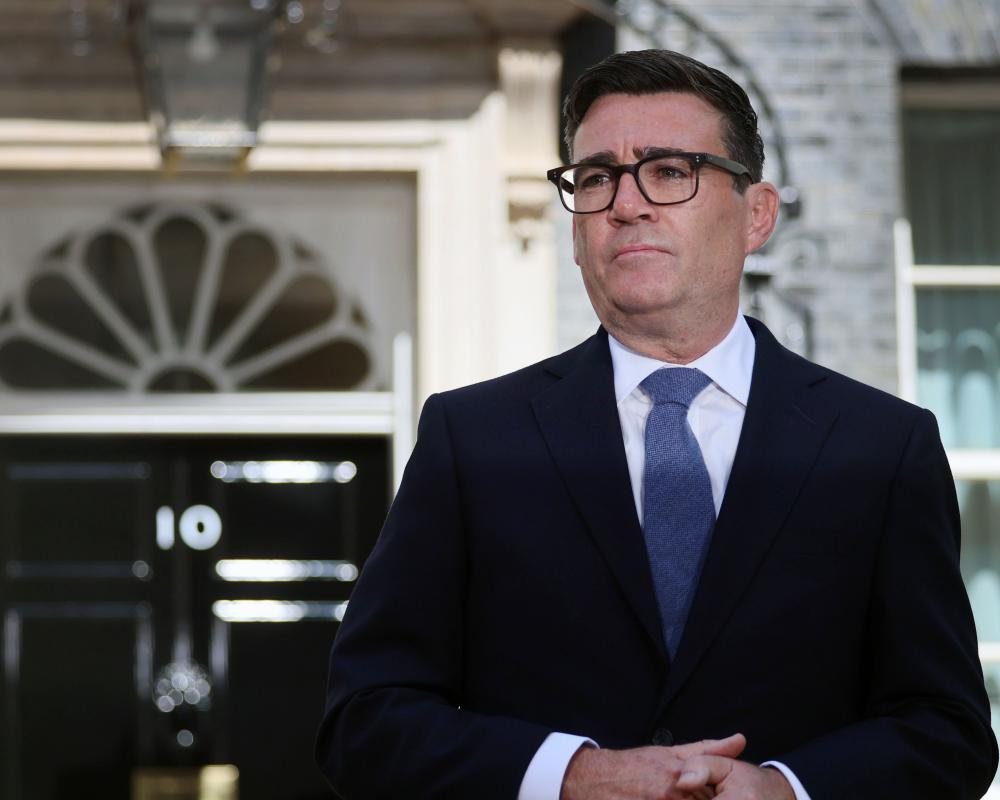
Prime Minister Andy Burnham will tell MPs on Tuesday that bringing essential services back into public ownership is the only way to improve economic growth across the United Kingdom. The address marks his first appearance at the Commons despatch box as prime minister, six weeks after taking office and 16 years since he last spoke from the frontbench.
Burnham spent the summer recess announcing a series of policy measures that will now be put before parliament. His central argument is that public control of key services is not merely a matter of ideology but a practical requirement for national economic development. The prime minister is expected to frame the agenda around a pledge to «bring back hope» by tackling the cost of living, which remains a pressing concern for households across the country.
The speech comes amid growing pressure on the government from multiple directions. Labour MPs have been calling for electoral reform, with some backbenchers arguing that the current first-past-the-post system undermines public trust in politics. Burnham's frontbench team is also facing demands to address post-Brexit migration policy, particularly the loss of access to European databases that were used to track asylum seekers and security threats before the UK left the European Union.
On migration, the prime minister has been urged to end a two-year deadlock with Brussels over access to the Eurodac fingerprint database and the Schengen Information System. Critics describe the current situation as a «blind spot» in British border security, arguing that the UK cannot effectively manage migration or combat organised crime without these tools. The call adds to the list of issues awaiting the new government's attention as it settles into office.
The public ownership proposal is likely to be the centrepiece of Burnham's parliamentary agenda. His government has already signalled intentions to bring rail services, water utilities, and parts of the energy sector under greater public control. Supporters argue that such moves would reduce costs for consumers, improve service reliability, and create conditions for long-term investment that private operators have failed to deliver.
Opponents, however, are expected to challenge the economic logic of nationalisation, pointing to the fiscal burden of compensating current owners and the risk of reduced efficiency in state-run enterprises. The debate in the Commons will therefore set the tone for the government's broader economic strategy in the months ahead.
Burnham's return to the frontbench is itself a notable political moment. His previous Commons career included service in government during the New Labour era, and his rise to the premiership has been marked by a distinctly regional and populist appeal. Tuesday's address will be watched closely not only for its policy content but for the political style he brings to the role.
The prime minister's message is expected to be direct: without public ownership, the UK cannot achieve the growth needed to fund public services, raise living standards, and restore confidence in the country's economic future. Whether that argument convinces the House remains to be seen, but the government is clearly determined to put the case at the centre of its first major parliamentary test.
54