
Burnham scraps Starmer-era plan to curb jury trials in England and Wales
The Prime Minister has abandoned controversial proposals to cut thousands of jury trials, a U-turn welcomed by Labour MPs and legal professionals who had fiercely opposed the plan.
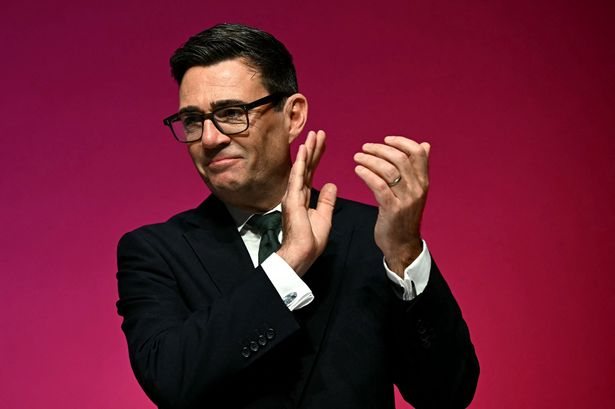
Andy Burnham has scrapped a controversial plan to curb jury trials across England and Wales, reversing a policy introduced under his predecessor Keir Starmer. The decision marks a significant U-turn for the Labour government and follows sustained opposition from Labour MPs, legal professionals and campaigners who argued the proposals would undermine a fundamental pillar of the justice system.
The original plan, designed to tackle the mounting court backlog, would have allowed thousands of cases to be heard without a jury. Under the revised approach announced by the Prime Minister, only certain fraud and financial offences will now be permitted to proceed without a jury. The broader expansion of non-jury trials has been dropped entirely.
The proposals had been championed by former Prime Minister Keir Starmer as a means of clearing delays in the courts, which have been exacerbated by years of underfunding, the pandemic and an increasing caseload. However, the measures provoked furious backlash from within Labour ranks and from legal experts, who warned that removing juries from a wide range of cases would erode defendants' rights and public confidence in the justice system.
Burnham's decision to abandon the plan has been praised by critics of the policy, including Labour MPs who had publicly opposed the move. The reversal is being framed as a victory for those who argued that jury trials are a cornerstone of British justice and should not be sacrificed for administrative convenience. Legal professionals have also welcomed the climbdown, noting that the original proposals went far beyond what was necessary to address the backlog.
The U-turn comes as Burnham, who took over the Labour leadership in July, seeks to distance his premiership from some of the more contentious policies of the Starmer era. Since assuming office, he has driven a turnaround in the party's fortunes, with Labour entering its annual conference holding a four-point lead in the polls at 27 per cent. The decision to scrap the jury trial reforms is likely to be presented as evidence of a more consultative and responsive approach to governance.
While the government will still allow some fraud and financial offences to be heard without a jury, the scope of that exception is now far narrower than originally planned. The move effectively preserves the right to trial by jury for the vast majority of criminal cases in England and Wales. It remains unclear whether the government will bring forward alternative measures to address the court backlog, which continues to pose a significant challenge to the justice system.
The announcement has been welcomed across the legal sector, with many viewing it as a sensible retreat from a policy that had been widely criticised as radical and unnecessary. The focus will now shift to how the government intends to reduce delays in the courts without resorting to such sweeping changes. For now, the Prime Minister's decision signals a clear break from the previous administration's approach and a willingness to listen to concerns from within his own party and the wider justice community.
5