
Burnham's First Conference Speech as PM Promises Care, Housing and Pension Reform
Andy Burnham used his first Labour conference speech as prime minister to set out plans for a national care service, housing reform and a pensions triple lock, in a personal address that moved delegates but left the biggest commitments until after the next election.
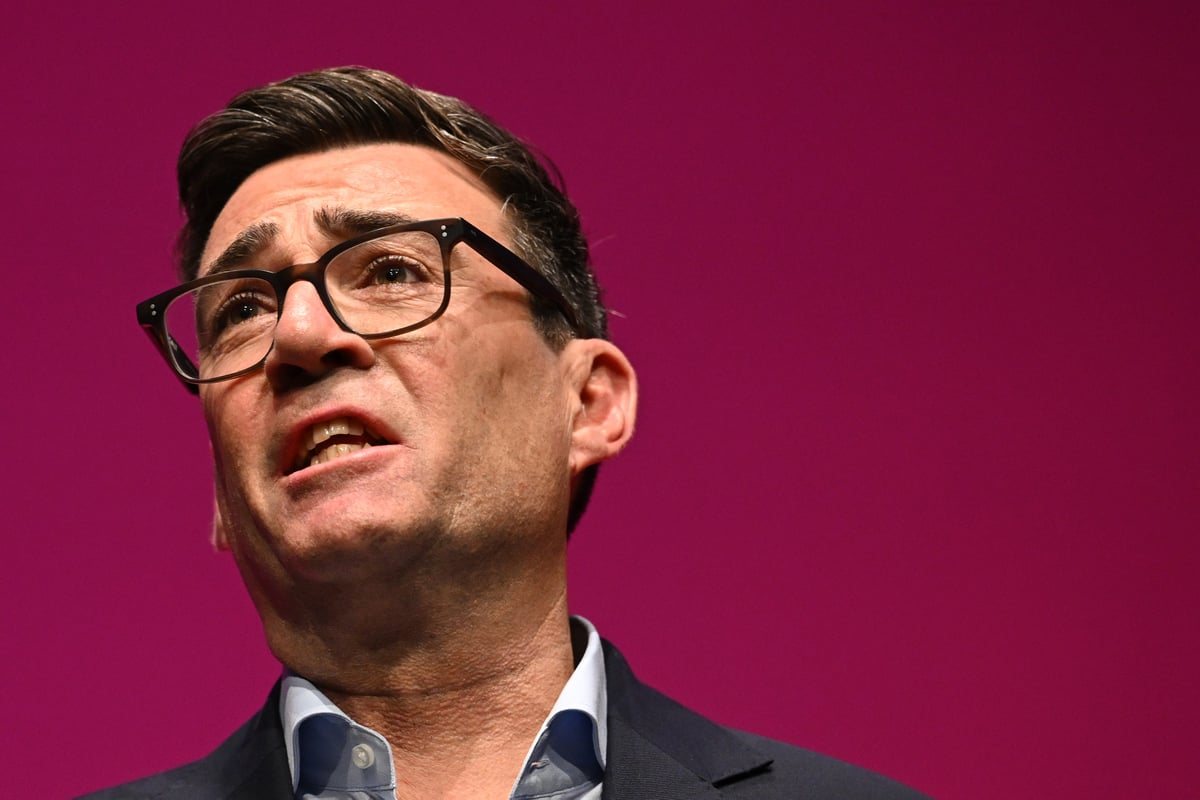
Andy Burnham has used his first Labour conference speech as prime minister to promise a national care service, action on rogue landlords and a continued pensions triple lock, in an address written almost entirely on his own that drew an emotional response from party delegates.
The speech, delivered under the slogan «Hope Again», covered care, pensions, housing, welfare, electoral reform, energy and water, according to the key points circulated from the address. Burnham also became emotional as he paid tribute to his late father Roy, who died this month, a moment that gave the conference its most personal passage.
For a party that won a historic majority but has struggled to match that achievement with a corresponding mood, the reaction in the hall was striking. Delegates and MPs filed out describing something close to euphoria, with the sense that a leader they had known for years had finally delivered the performance they had been waiting for. The conference slogan may have been «Hope Again», but the more apt phrase for many in the room was «Try Again» — a reset after two years in which the party's internal mood never quite caught up with its electoral success.
The substance of the speech was radical in tone, but the timetable is where the caution lies. Burnham's biggest plans will have to wait until after the next election, meaning the promises that generated the loudest applause are also the ones furthest from delivery. That gap between announcement and implementation is likely to shape how the speech is judged in the months ahead, once the conference glow fades and the legislative calendar takes over.
The national care service was among the headline commitments, alongside housing measures aimed at rogue landlords and a pledge to maintain the pensions triple lock. The Scottish National Party's John Swinney responded by accusing Burnham of repeating the mistakes of Keir Starmer on the triple lock, arguing that the commitment does not resolve the underlying funding questions. The criticism points to a wider debate about how the care and pension promises will be paid for, and whether the government can deliver them within a single term.
Burnham's decision to write the speech almost entirely alone was itself part of the story. It reinforced the impression of a prime minister presenting a personal programme rather than a committee document, and it gave the address a directness that aides might not have achieved. The emotional tribute to his father added to that sense of authenticity, turning a political set piece into something more intimate than the format usually allows.
For Labour, the immediate effect is a boost in morale at a moment when the party has needed one. The longer-term effect depends on whether the promises made in the hall can be converted into legislation and funding. Burnham has set out a broad plan covering care, pensions, housing, welfare, electoral reform, energy and water; the next test is whether the detail follows the rhetoric, and whether the voters who heard the speech will still remember it when the next election arrives.
2