
Burnham resists benefit cuts for defence as Tories attack Israel sanctions
Prime Minister Andy Burnham faced Kemi Badenoch at PMQs, refusing to cut social security to fund defence and defending UK sanctions on West Bank settlements as 'leadership'.
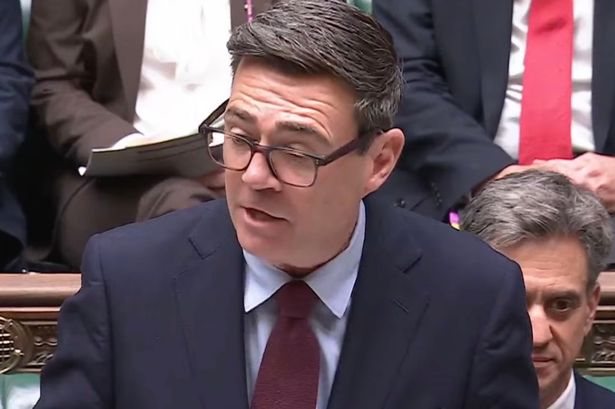
Prime Minister Andy Burnham has refused to commit to cutting social security spending to fund higher defence budgets, insisting that national security cannot come at the expense of welfare. He made the remarks during his second appearance at Prime Minister's Questions, where he faced Conservative leader Kemi Badenoch in a clash over military spending priorities.
Burnham declined to set a timetable for reaching the target of spending 3% of GDP on the military, a commitment that has become a central point of contention between the government and the opposition. The Prime Minister argued that funding national security must be balanced against other domestic obligations, a position that immediately drew criticism from Badenoch and her frontbench team.
The exchange came as the government faced a fresh line of attack over its policy on Israel. Deputy Conservative leader Alex Burghart accused Labour of hypocrisy, pointing to the contrast between the government's public statements on Israel and its diplomatic outreach to China. Burghart highlighted a communique detailing a conversation between Burnham and the Chinese president, in which the UK expressed a desire for constructive relations and cooperation with Beijing.
Burnham defended the government's decision to impose sanctions related to the West Bank, arguing that Britain is showing leadership by standing up for the Palestinian population. He framed the measures as support for the underdog, while critics within the opposition and beyond have warned that the policy risks endangering British Jewish communities. The sanctions have become a significant political flashpoint, with Labour accused by its detractors of jeopardising the safety of British Jews in pursuit of a particular foreign policy stance.
The PMQs session underscored the widening divide between the two main parties on both defence spending and Middle East policy. While the Conservatives pressed for a firm commitment to the 3% GDP target and questioned the government's consistency on Israel, Burnham sought to present his approach as both principled and pragmatic, balancing international obligations with domestic social commitments.
The government's position on social security and defence is likely to remain under scrutiny in the coming weeks, particularly as budget negotiations intensify. The Prime Minister's refusal to offer a clear timeline for increased military spending leaves a key question unanswered, while the sanctions debate continues to generate political heat both domestically and in international circles.
61