Burnham faces autumn budget squeeze over tax pledges and defence spending
Prime Minister Andy Burnham and Chancellor John Healey are preparing an autumn budget under worsening economic conditions, constrained by election promises on tax, defence targets and international commitments.
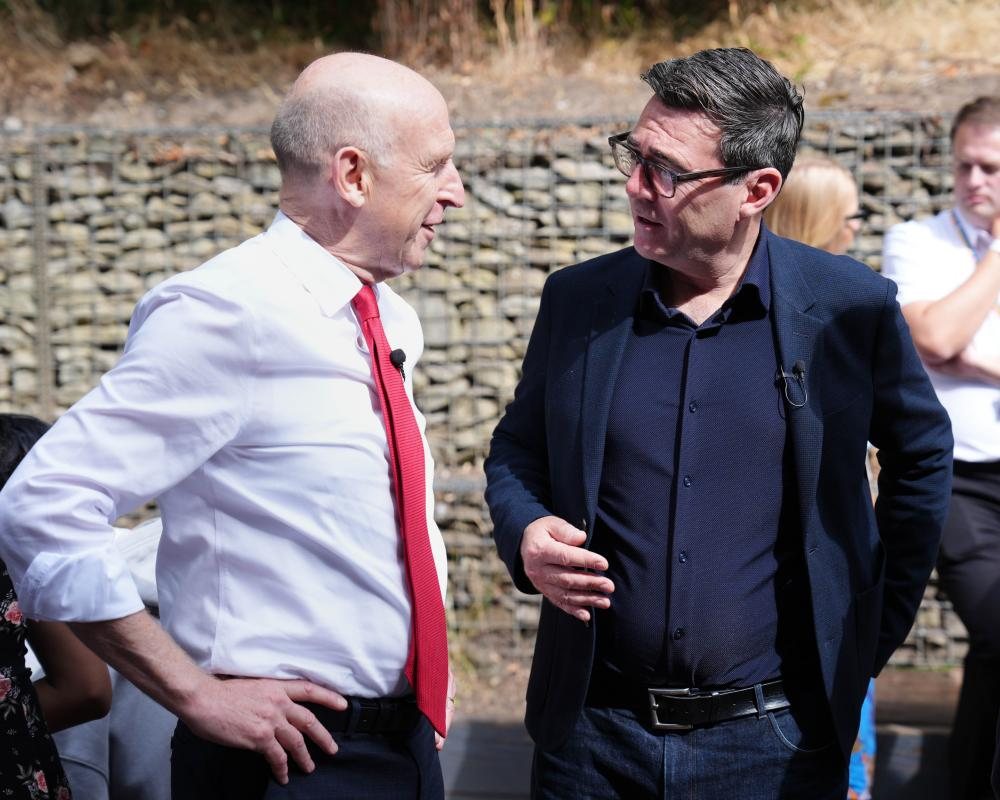
Prime Minister Andy Burnham is heading into his first autumn budget with a set of self-imposed constraints that threaten to collide with a deteriorating economic outlook. The budget, expected in late October, will be overseen by Chancellor John Healey, and both men must reconcile campaign commitments with the fiscal reality now facing the government.
Burnham, who returned to Parliament with a promise to deliver “the most significant change moment in our politics for 40 years,” has adopted a markedly different style from his predecessor, Keir Starmer. Yet the structural problems he inherits are strikingly similar. The new prime minister’s public commitments on taxation, defence spending and international policy have left him with limited room for manoeuvre as he prepares to set out his fiscal plans.
Among the most pressing headaches is the pledge not to raise taxes on working people, a promise that now looks increasingly difficult to keep. With economic circumstances worsening, revenue shortfalls are likely to force difficult choices. The government must also address the defence budget, which faces pressure to meet NATO’s spending target of 2.5 per cent of GDP, a goal that requires significant additional funding at a time when other departments are bracing for cuts.
Foreign policy adds another layer of complexity. The situation involving Iran has created additional uncertainty, with the government needing to balance diplomatic commitments against domestic spending priorities. The combination of these factors means the autumn statement will be one of the most politically delicate fiscal events in recent memory.
Lord O’Neill, the former Treasury minister who now advises the government on economic growth, has warned that the prime minister’s promise of “growth in every postcode” would have to be reconsidered. O’Neill has also cautioned against raising taxes in the October budget, arguing that such a move could undermine the government’s credibility on economic management. His intervention highlights the tension between the prime minister’s ambitious rhetoric and the practical constraints of public finances.
The prime minister’s first speech after his return to Parliament set a high bar, with a pledge to reshape British politics. That ambition now meets the mundane but unforgiving arithmetic of the Treasury. Burnham’s team is said to be examining options to bridge the gap between commitments and available funds, but each option carries political risk.
The budget is also being prepared against a backdrop of heightened global uncertainty. Defence planners are pressing for clarity on long-term funding commitments, while international partners watch for signals about Britain’s reliability as an ally. The Iran situation, in particular, has raised questions about the government’s capacity to respond to overseas crises while managing domestic fiscal pressures.
For Burnham, the autumn budget represents the first major test of his leadership. His promise of generational change in politics will be measured against the choices he makes in the coming weeks. The tight fiscal envelope means that some promises will inevitably be broken or deferred, and the political cost of those decisions will be borne by a prime minister who has staked his reputation on delivering a different kind of government.
The coming months will reveal whether Burnham can navigate these competing pressures or whether, like his predecessor, he finds himself trapped between public expectations and economic reality. The budget in late October will provide the first clear indication of the path he intends to take.
64