US voters say cheaper fuel would not win them back for Republicans
A new survey suggests that even a sharp fall in petrol prices, or a sudden end to the Iran conflict, would not persuade most voters to support Republican candidates in the coming midterm elections.
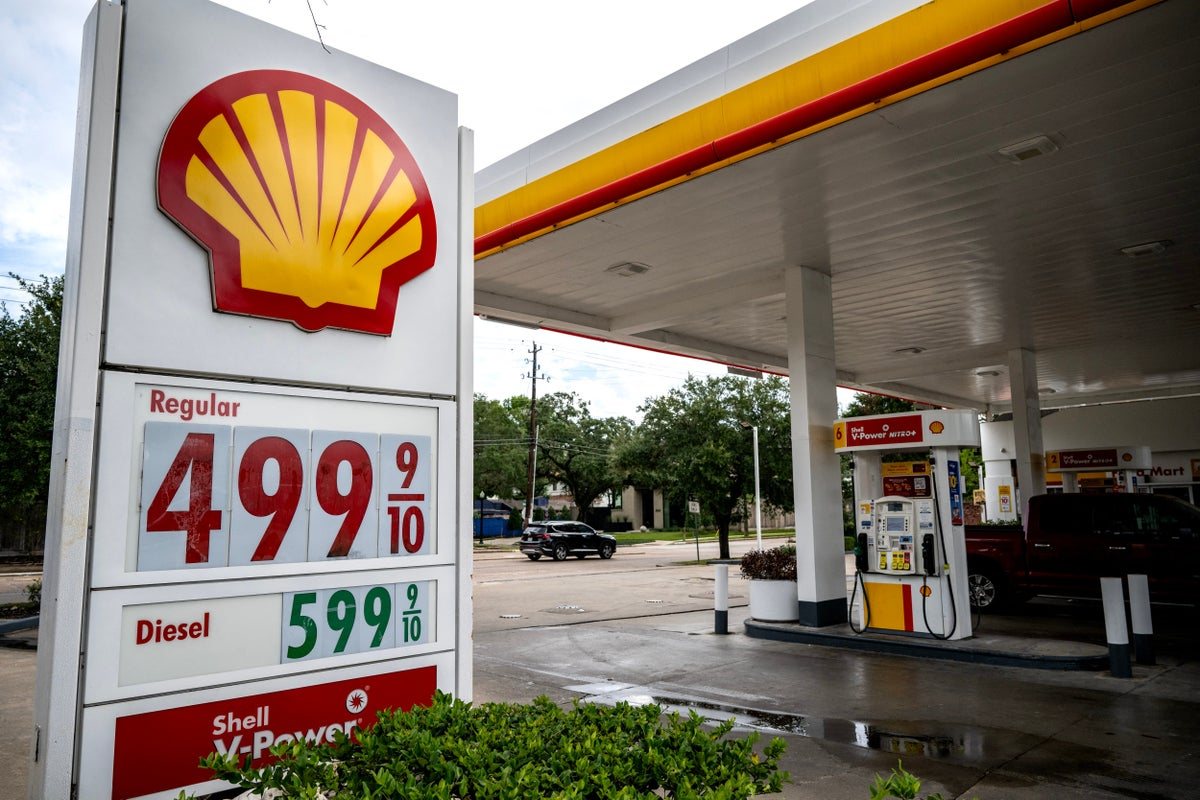
Most American voters say they would not switch their support to Republican candidates even if petrol prices fell sharply, according to a new survey that challenges the assumption that fuel costs alone will decide the upcoming midterm elections. The findings suggest that voter sentiment has hardened around deeper concerns than the price at the pump, and that a sudden end to the conflict with Iran would also do little to change minds.
The survey asked voters whether a dramatic drop in petrol prices — including a hypothetical fall of one dollar per gallon — would make them more likely to back Republican candidates. A majority said it would not. The same pattern held when respondents were asked about the possible conclusion of military action involving Iran, a scenario that would normally ease pressure on global energy markets and bring down fuel costs.
The results point to a broader disconnect between traditional economic indicators and voter behaviour. While petrol prices have long been treated as a reliable barometer of political mood in the United States, the survey indicates that other factors — including concerns about democratic governance, social policy and the conduct of political leaders — now weigh more heavily on voters' decisions. For Republican strategists hoping that cheaper fuel would translate into electoral gains, the findings offer little comfort.
The survey comes as both major parties prepare for midterm elections that will determine control of Congress. Republicans have sought to frame the campaign around economic management, arguing that Democratic policies have driven up the cost of living. But the new data suggests that voters are not simply waiting for relief at the pump before making up their minds. Even a sudden de-escalation of tensions with Iran, which would remove a key source of volatility in oil markets, appears unlikely to shift the political landscape in the Republicans' favour.
Analysts note that the survey reflects a pattern seen in other recent polling: voters are increasingly likely to cite non-economic reasons for their political preferences. Issues such as abortion access, the state of public services and the perceived threat to democratic institutions have become more salient, particularly among younger and suburban voters. In that context, a fall in petrol prices — however welcome — may not be enough to overcome deeper reservations about the Republican Party's direction under its current leadership.
The findings also raise questions about how much credit or blame voters assign to the president and his party for global events. The conflict with Iran has been cited by some Republicans as a reason for rising energy costs, but the survey suggests that voters do not necessarily link the two in a way that would benefit the opposition. If anything, the results indicate that foreign policy crises are viewed through a domestic political lens that is already heavily coloured by long-standing party loyalties.
For the Republican Party, the survey underscores the difficulty of campaigning primarily on fuel prices when a significant portion of the electorate has already decided that other issues matter more. It also suggests that Democratic candidates may be less vulnerable to energy-price attacks than conventional wisdom holds. With the midterms approaching, both parties will be watching whether the hypothetical scenarios tested in the survey translate into real voting behaviour — or whether the gap between economic conditions and political outcomes continues to widen.
6