Burnham Says Brexit Status Quo 'Not Good Enough' as He Seeks Closer EU Ties
Prime Minister Andy Burnham has told MPs that the current Brexit settlement is not good enough for Britain, signalling a push for closer integration with the EU at a summit next month. Opposition leader Kemi Badenoch accused him of trying to unpick the deal and warned he had already lost the negotiations.
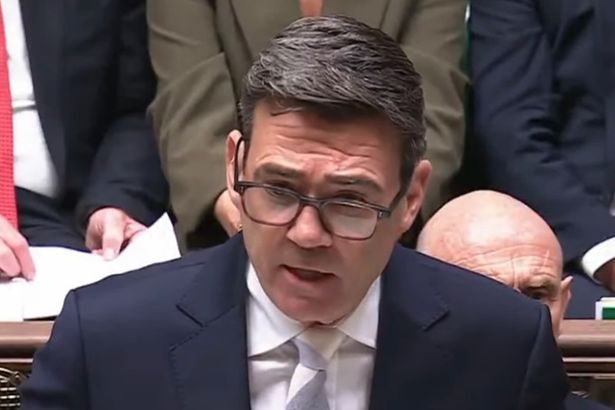
Prime Minister Andy Burnham has told the House of Commons that the current Brexit status quo is «not good enough for Britain», as he set out plans to pursue closer integration with the European Union at a summit next month. In his first statement to MPs after the month-long conference recess, Burnham said the existing arrangements were failing to deliver for British businesses and consumers, and confirmed he would seek to renegotiate parts of the trade agreement with Brussels.
The Prime Minister is expected to travel to Brussels for a UK-EU summit on 20 November, where he will push for improved trade terms, including a youth free movement deal and closer alignment on regulatory standards. Burnham argued that closer ties with the bloc would boost Scottish businesses and help grow the wider UK economy, pointing to the £100 million annual cost to Scottish salmon exports alone caused by post-Brexit rules. He said the government would look again at the trade terms agreed under the current settlement.
Opposition leader Kemi Badenoch responded sharply, accusing Burnham of trying to «unpick» the Brexit deal and warning that he had already lost the negotiations before they had begun. She said his approach risked reopening divisive arguments and undermining the UK's position in talks with Brussels. The exchange marked the first major parliamentary clash on Europe since the conference season, and it set the tone for what is likely to be a contentious debate in the weeks ahead.
Burnham's statement comes amid growing pressure from business groups and devolved administrations, particularly in Scotland, where exporters have complained about red tape and border checks since the UK left the EU. The Prime Minister said the government would focus on practical measures to reduce friction, including mutual recognition of professional qualifications and a new framework for small and medium-sized enterprises trading with the EU.
The summit next month is expected to cover a range of issues, from fisheries and financial services to research collaboration and energy cooperation. Burnham said he wanted to build a «closer, more mature relationship» with the EU, while ruling out rejoining the single market or the customs union. He insisted that any changes would be compatible with the UK's sovereignty and would not mean a return to free movement of people, though the proposed youth mobility scheme has already drawn criticism from some Conservative MPs.
Badenoch said the government's approach was «a recipe for uncertainty» and accused Burnham of prioritising Brussels over British interests. She called on him to publish a detailed negotiating mandate before the summit, arguing that MPs and the public deserved to know what concessions he was prepared to make. The Prime Minister said he would keep Parliament informed but declined to set out a full mandate, saying it would weaken the UK's hand in talks.
The debate also highlighted divisions within Burnham's own party, with some MPs warning that any move towards closer alignment could alienate voters in Leave-supporting constituencies. However, allies of the Prime Minister said the public mood had shifted and that pragmatic cooperation with the EU was now seen as essential for economic growth. Burnham is expected to hold talks with EU leaders in the coming weeks to prepare the ground for the summit.
Business leaders welcomed the signal that the government was willing to revisit the trade terms, with industry bodies calling for swift action to reduce costs and delays. The Scottish salmon industry, which has been particularly hard hit, said the £100 million figure underlined the urgent need for a better deal. The Prime Minister said his priority was to deliver tangible benefits for exporters and consumers, and that he would not be deterred by criticism from the opposition.
The summit on 20 November will be the first major test of Burnham's approach to Europe since taking office. With both sides positioning themselves for tough negotiations, the outcome will shape the UK's relationship with the EU for years to come. MPs will return to the issue in the coming weeks, with further statements expected before the Prime Minister travels to Brussels.
4