BBC defends editing trans rights slogan from Strictly contestant's T-shirt
The BBC has said it was following standard editorial practice after viewers accused it of censoring a pro-trans slogan worn by Strictly Come Dancing contestant Bethany Antonia during rehearsals.
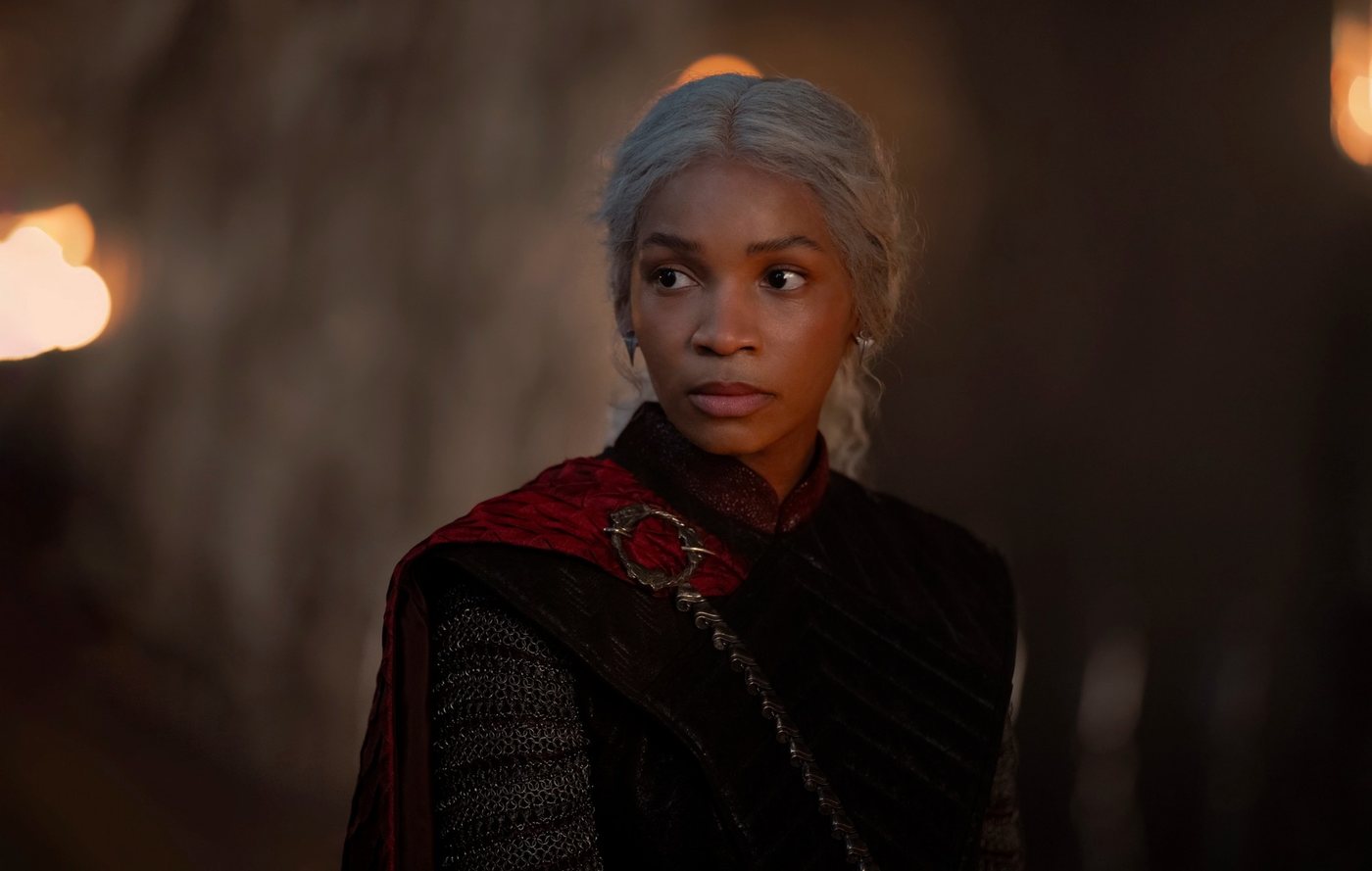
The BBC has defended its decision to edit a transgender rights slogan out of footage of Strictly Come Dancing contestant Bethany Antonia, saying it was standard practice to avoid overt branding or slogans on entertainment programmes.
Antonia, an actor known for playing Baela Targaryen in the Game of Thrones prequel House of the Dragon, was filmed wearing a T-shirt bearing the words «Protect the Dolls» during rehearsals before her live performance on Saturday night. The slogan was removed from training clips, and the T-shirt was also obscured during the broadcast, prompting accusations of censorship from viewers on social media.
The T-shirt is a charity item that raises money for Not A Phase, a non-profit organisation supporting trans people. The same design has been worn by figures including Pedro Pascal, Madonna, Troye Sivan and Addison Rae.
In a statement, a BBC spokesperson said: «As is standard practice on any entertainment show on the BBC and in line with our editorial guidelines, appropriate steps are taken to reduce the inclusion of any overt branding or slogans that may be present, regardless of the wording or statement in question.»
The broadcaster's response followed a wave of criticism online, with some viewers describing the editing as «trans rights censorship». One social media user wrote that the BBC were «absolute cowards» for the move, adding that they could not believe calling for the safety of trans women deserved censorship. Another said the country had «became so right wing» that a shirt promoting safety and inclusivity could not be shown, while a third described the decision as «disgraceful behaviour».
Antonia, who came out as gay in 2024, is currently competing in the twenty-fourth season of Strictly Come Dancing. The editing of her rehearsal footage was first noticed by viewers who had seen an earlier video posted online, which was subsequently replaced with a version that did not show her from the front.
The row places the BBC's editorial guidelines under renewed scrutiny at a time when its treatment of LGBTQ+ programming has already drawn attention. Last month, the corporation axed RuPaul's Drag Race UK after eight series, citing budget cuts. Earlier this year, it scrapped the queer dating show I Kissed A Girl and its spin-off I Kissed A Boy, also pointing to funding challenges.
Jordan Burrow, who appeared in the second series of I Kissed A Boy, told BBC Newsbeat at the time that he was «not even shocked at this point», describing the cancellations as an example of where the queer community stood with people outside it.
The BBC has not commented on those programme decisions in relation to the Strictly row, and its statement on the T-shirt editing made no reference to the wording of the slogan itself. The broadcaster maintains that its approach applies to all entertainment output and is not directed at any particular message.
For now, the controversy continues to circulate among Strictly viewers and on social platforms, where clips of the edited rehearsal footage have been widely shared. The BBC's position remains that the removal of the slogan was a routine application of its editorial standards rather than a judgment on the cause it represented.
2