
British Army suspends non-essential training exercises to save £30 million
The British Army has been ordered to halt non-essential training exercises, including those involving Challenger 2 tanks and Apache helicopters, in a cost-cutting move aimed at saving £30 million. Around 600 troops have reportedly been stood down amid growing pressure on the Prime Minister to increase defence spending.
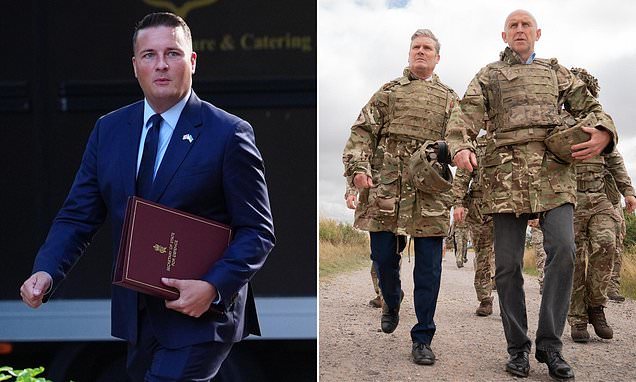
The British Army has been ordered to suspend non-essential training exercises in a cost-cutting measure designed to save £30 million, with reports indicating that around 600 troops have been stood down. The move comes amid mounting political pressure on the Prime Minister to increase defence spending in light of ongoing global security challenges.
According to reports, the cancelled exercises include training with Challenger 2 tanks and Apache gunships, two of the most prominent assets in the British military arsenal. Troops preparing for operational deployment will continue to train as normal, but those involved in the suspended programmes have been told to stand down while the Ministry of Defence reviews its spending priorities.
The decision has reignited a debate over the state of the UK's armed forces and the adequacy of its defence budget. Critics argue that suspending training undermines military readiness at a time when threats to European security have intensified. The timing is particularly sensitive, as the government faces repeated calls from within its own ranks and from international allies to commit to a higher defence spending target.
The Ministry of Defence has not publicly confirmed the full scope of the suspension, but sources familiar with the matter say the savings are part of a broader effort to balance the department's books. The £30 million figure represents a relatively small fraction of the overall defence budget, yet the symbolic impact of halting training exercises has drawn sharp criticism from former military leaders and defence analysts.
Some within the armed forces have expressed concern that repeated cost-saving measures are eroding the Army's capability to respond to simultaneous crises. The suspension of training involving heavy armour and attack helicopters is seen as particularly significant, as these platforms require constant practice to maintain proficiency and safety standards.
The political context adds further weight to the story. The Prime Minister is under sustained pressure from Conservative backbenchers and opposition parties to outline a clear timetable for raising defence spending to 2.5 per cent of GDP or higher. Recent global events, including the war in Ukraine, have sharpened the focus on European defence preparedness and the UK's role within NATO.
While the Treasury has acknowledged the need for fiscal restraint across all government departments, defence advocates argue that the Army should be shielded from cuts that affect operational readiness. They point out that training cancellations may lead to higher costs in the long run, as equipment and personnel require more intensive maintenance and retraining after periods of inactivity.
The development also raises questions about the long-term structure of the British Army, which has seen its size reduced in recent years. Official figures show the Army is smaller than at any point since the Napoleonic era, and the latest cost-saving measures are unlikely to ease concerns about its capacity to meet future commitments.
No official statement has been issued regarding how long the suspension will last or whether further exercises will be affected. However, the Ministry of Defence is expected to provide more details in the coming weeks as part of its annual budget planning cycle.
69